






 Portuguese
  Spanish


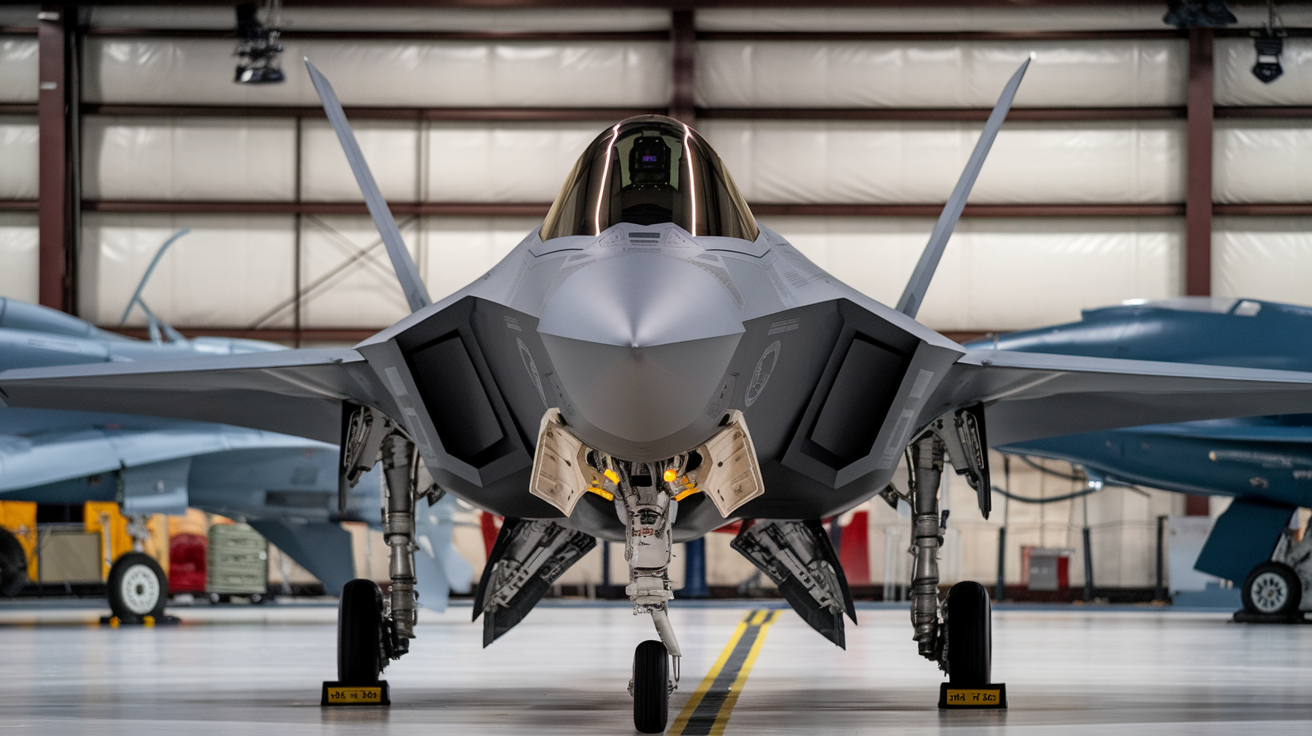


US Air Force Announces Billion-Dollar Investment and Advances Military Power. US Sixth-Generation Fighters Are Tested, Presented, and Shake Powers Like Russia and China.
The US Air Force revealed this week to the world the long-awaited sixth-generation fighters, a milestone that promises to completely transform the future of military aviation. The US sixth-generation fighters promise to revolutionize global defense with advanced artificial intelligence, adaptive stealth technology, and an engine that combines 30% more power with 25% less fuel consumption.
Understand the Differentials of Sixth-Generation Fighters
Born from a $4.4 billion investment, this futuristic machine from the US Air Force is not just an aircraft but a technological leap that redefines aerial combat and places the country decades ahead of its global rivals.
At the heart of this advancement is the adaptive cycle engine, the result of billions of dollars invested by leading US defense companies like Pratt & Whitney and General Electric.
-
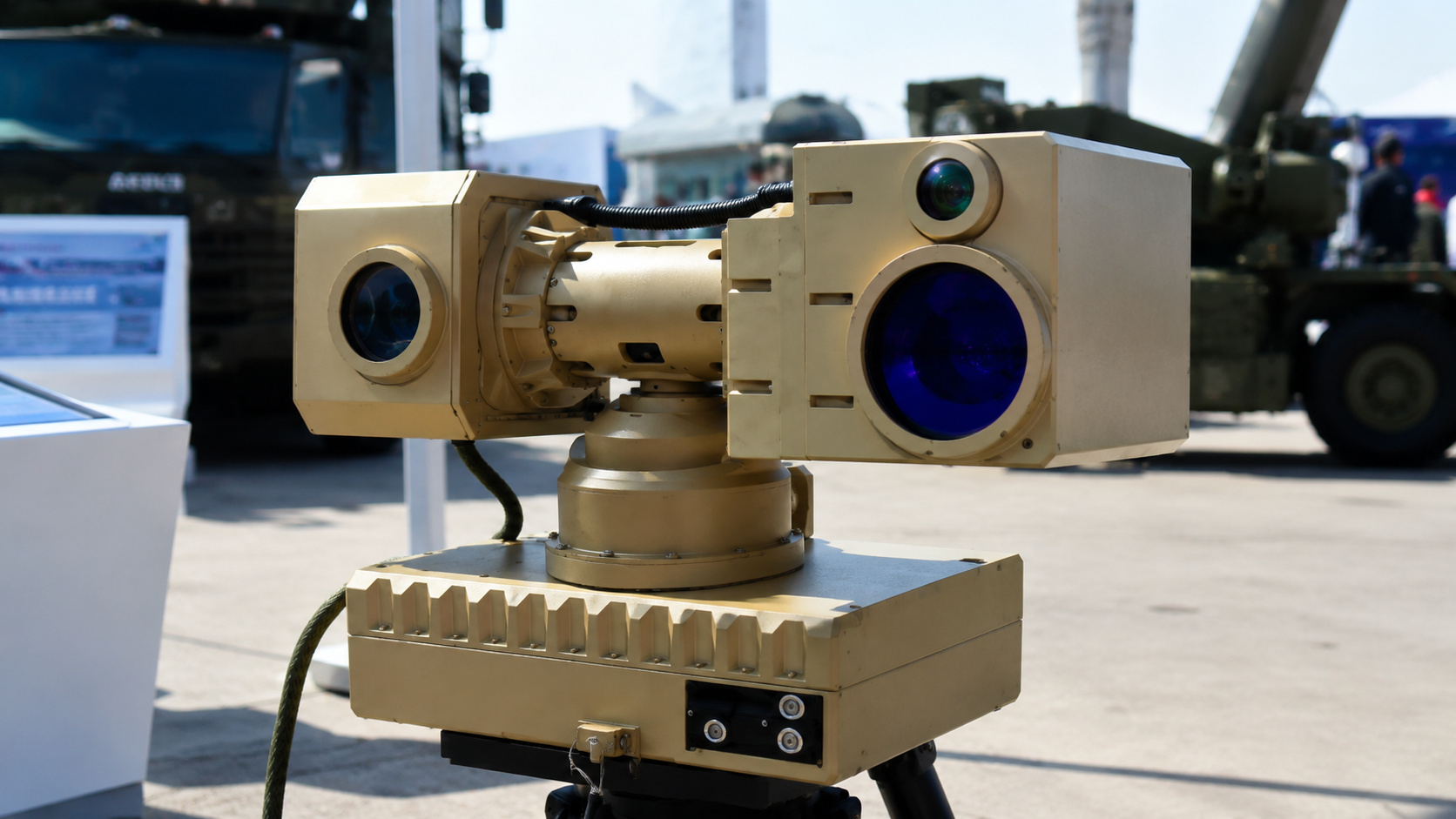
China Unveils Laser Weapon Capable of Instantly Neutralizing Military Drones, Marking a Significant Advancement in Air Defense Technology

-
U.S. Navy’s Ticonderoga-class Cruiser Becomes a 9,800-Ton Missile Fortress with Advanced Aegis System Capable of Tracking Hundreds of Targets

-
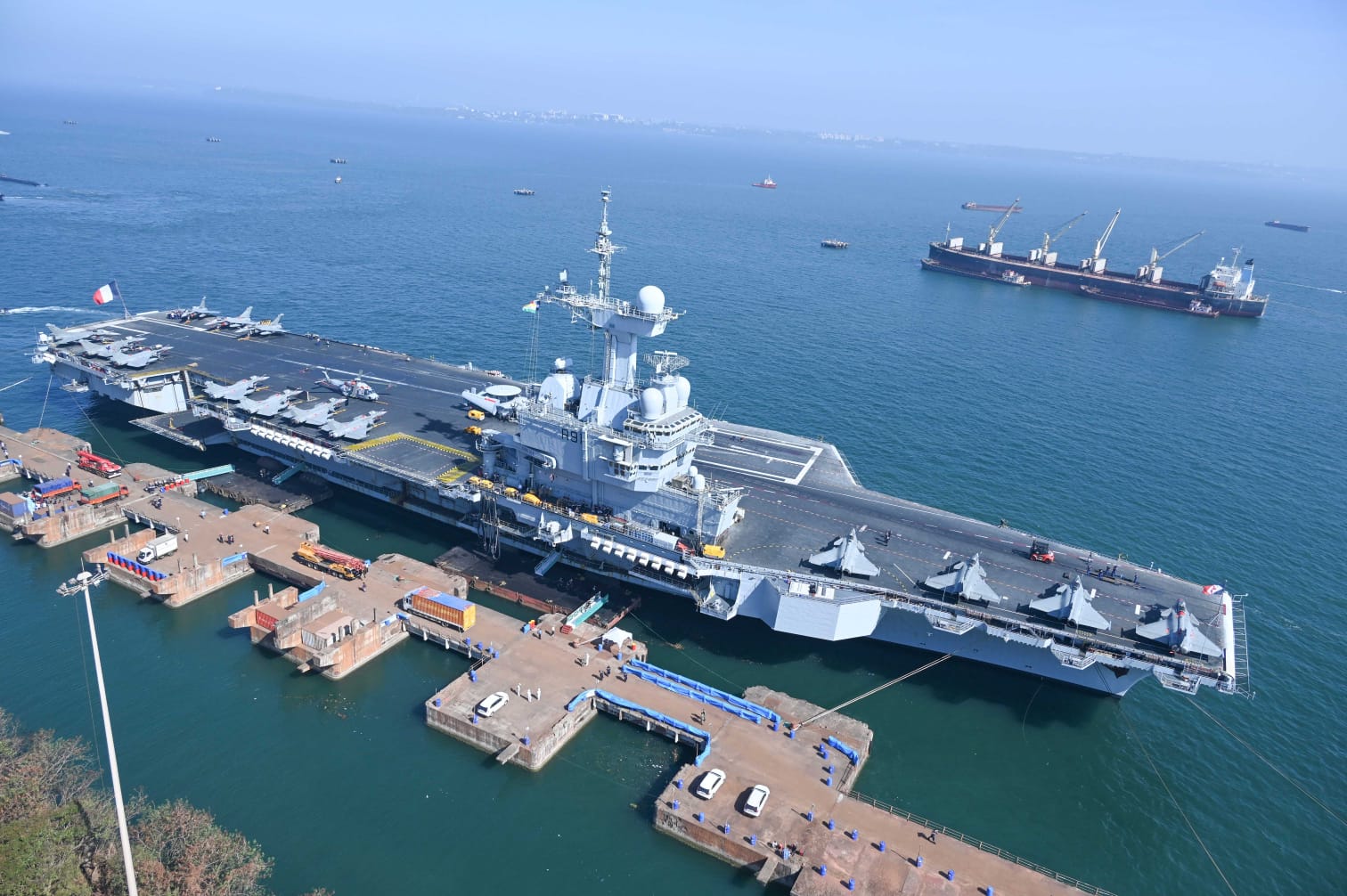
France’s Charles de Gaulle: The Sole Nuclear-Powered Aircraft Carrier Outside the US, Weighing 42,500 Tons and Equipped with Two Atomic Reactors

-
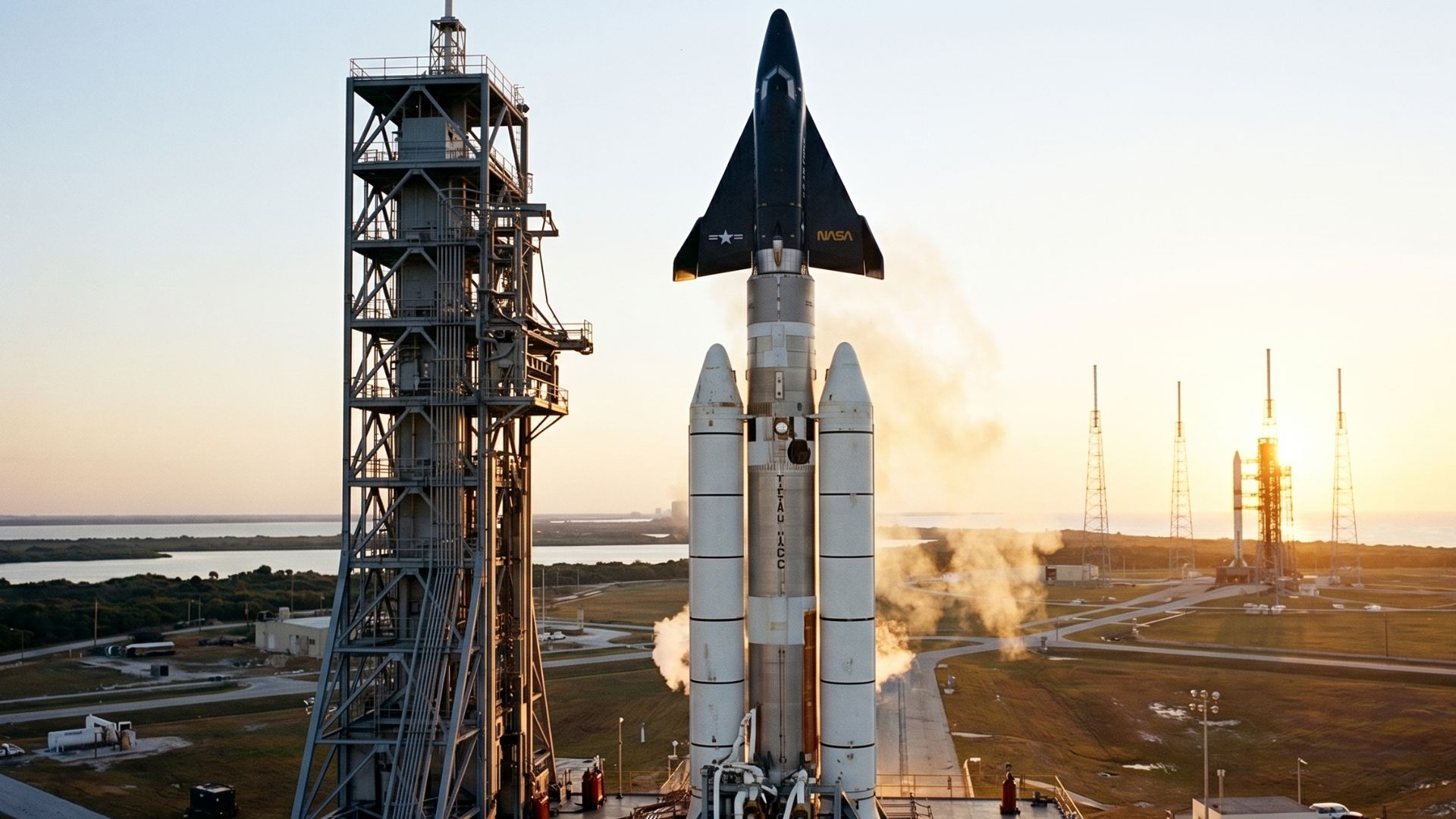
The military spaceplane that almost took the Cold War into orbit: Boeing X-20 Dyna-Soar was designed to re-enter above Mach 20, fly for up to 40 hours, land like a plane, and transform Titan rockets into a gateway to a new era of orbital warfare.

This engine of the US sixth-generation fighters can automatically switch between high-performance and fuel-efficient modes, depending on flight demands. The numbers are impressive: it generates 30% more power and consumes 25% less fuel compared to the current F-35 engines, allowing for longer and more effective missions.
The ability to change modes during flight represents a revolution. For example, in combat situations, the engine switches to high-power mode, providing speed and maneuverability for US Air Force pilots to evade threats.
In patrol operations or long-distance travel, it shifts to economy mode, maximizing efficiency without compromising the performance of the US sixth-generation fighters. This advancement improves operational capability and reduces mission costs over time.
US Air Force Tests Impress the World
The revolutionary feature of the fighters developed for the US Air Force is their integration with artificial intelligence (AI) systems. AI acts as a virtual co-pilot, anticipating the pilot’s demands and adjusting the aircraft’s systems in real time.


During tests, the systems of the US sixth-generation fighters demonstrated the ability to perform evasive maneuvers autonomously, increase attack accuracy, and make tactical decisions in fractions of a second, something that surpasses human capabilities in high-pressure situations.
Moreover, the stealth design of the US Air Force aircraft has received a complete update. Its fuselage is coated with an adaptable material developed in partnership with MIT researchers.
US Sixth-Generation Fighters Leverage Global Investments
The coating can alter its properties depending on enemy detection systems, nullifying radars and advanced infrared sensors. During tests, even the most modern thermal systems were unable to track the aircraft, making it practically invisible and enhancing the technological superiority of the US Air Force.
The system of the US sixth-generation fighters also incorporates quantum sensors that continuously monitor the surrounding environment, detecting the slightest variations in electromagnetic fields. This allows the fighter to identify and neutralize threats before even being detected, creating a new standard for modern aerial warfare.
The revelation by the US Air Force reinforces the country’s military leadership and generated immediate reactions from other powers, such as China and Russia. Chinese analysts admitted that their technologies are at least a decade behind US advancements, prompting Beijing to announce an emergency investment of $50 billion in its air defense program.






Esse avião foi construído com a ajuda dos cientistas do governo do Nine…
Mig 41
Não faz mais sentido investir em aeronaves tão caras. A guerra agora é de mísseis.