






 Portuguese
  Spanish


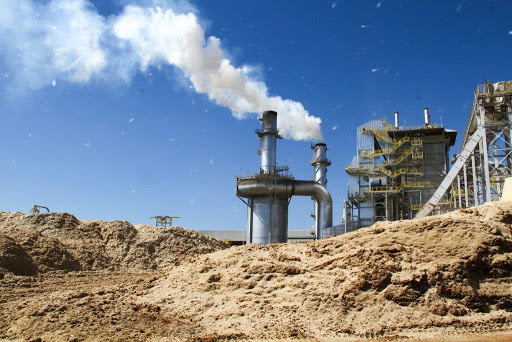

Bioelectricity Has Arrived to Boost the Economy, and the Vale do Verdão Plant Located in Goiás Is Making Significant Investments to Export This Energy Source
The plant located in Goiás with its investments has already produced about 3 million bags of sugar and 130 million liters of ethanol powered by bioelectricity. “It is the first unit of the Vale do Verdão Group to export energy, with a modern thermoelectric plant, and if it depends on our will, also the first in the 4.0 Plant concept, utilizing Real-Time Optimization (RTO) intelligence,” highlighted the plant’s CEO.
Read Also
Bioelectricity Alleviates Lack of Rain in Power Production of Plants
The low volume of rain has also forced the SIN to increase production and investments in fossil thermoelectric plants, which are more expensive, as a way to save water from hydroelectric reservoirs and bet on bioelectricity, mainly those installed in the Southeast/Central-West and South subsystems.
For the accumulated investments from January to October this year, the offer of bioelectricity to the national system was 23,764 GWh, representing a 2% increase compared to the same period in 2019. This volume is equivalent to meeting 14.2% of the country’s industrial electricity consumption throughout last year, or 12.3 million residential units.
-
Brazilian Construction Retail Chain Closes After 60 Years, Begins Liquidation Sale Across Five Cities

-
Brazil Approves Landmark Bill Requiring Workplace Adaptations for Autism Inclusion

-
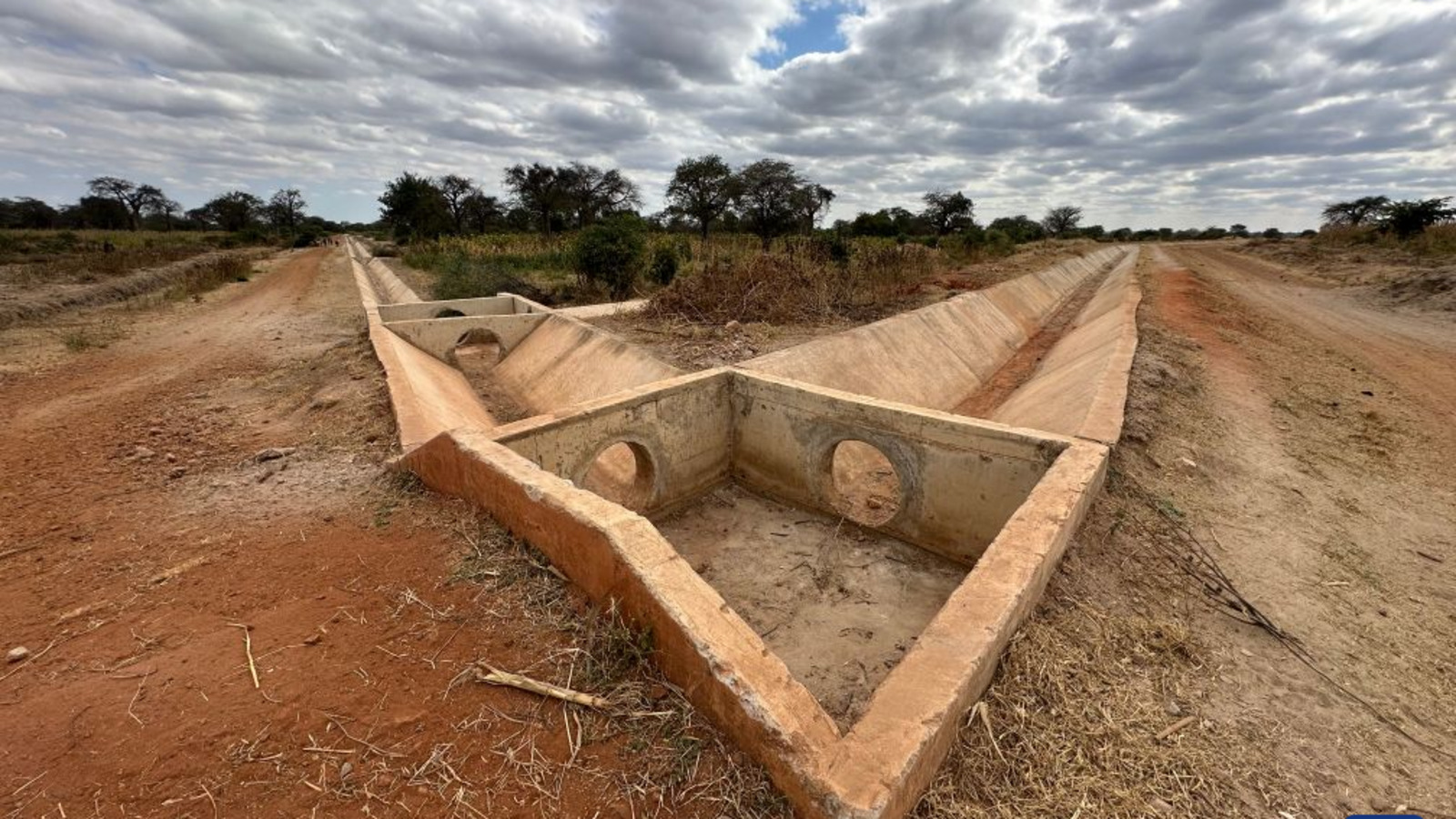
China Builds 400-Hectare Irrigation System in Tanzania to Aid 1,000 Families Dependent on Rainfall

-
Brazil’s Micro-Entrepreneur Program May See Major Changes: Income Cap Could Increase to R$ 130,000, Annual Inflation Adjustments, and Allow Hiring of an Additional Employee



Investments: The Future of Bioelectricity from Sugarcane in Plants
According to data from the National Emissions Registry System (SIRENE), until 2015, Brazil had effectively reduced total greenhouse gas emissions by 50% compared to 2005 levels.
This means that the country would be in compliance with the targets set out in the Paris Agreement to reduce greenhouse gas emissions by 37% and 43% by 2025 and 2030, respectively, with the starting point being the 2005 emissions.
However, there was a 42% increase in emissions in the Brazilian energy sector in plants during that same period, according to SIRENE. Due to this increase and a trend of growing future energy demands, bioelectricity from sugarcane would play an indispensable role, considering the various environmental benefits and the high potential of this energy source, especially considering the straw as a complement to bagasse in generation.


