Portuguese
  Spanish


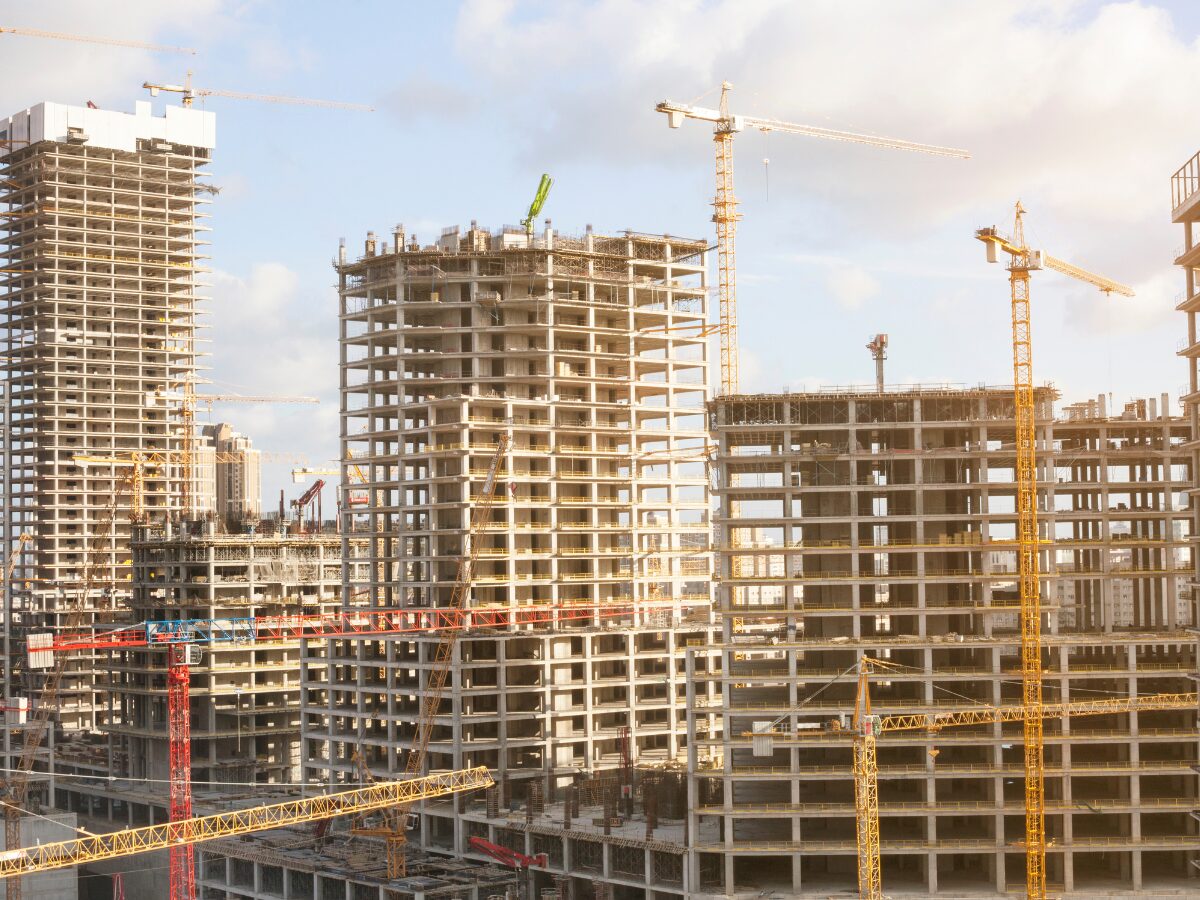

Unesp Experts Highlight The Use Of Wood As A Sustainable Solution In Civil Construction. Study Proposes Global Policies To Reduce The Use Of Fossil Fuels And Promote Sustainability In The Sector.
A study published in the journal Nature Reviews Materials, involving faculty from Unesp, proposes global policies to increase the use of sustainable materials, with a focus on wood, in the civil construction sector — responsible for 35% of fossil fuel emissions worldwide.
Civil Construction Is Responsible For A Significant Portion Of Global Emissions
Combating global warming necessarily involves transforming the civil construction sector.
Currently, this industry accounts for approximately 35% of greenhouse gas (GHG) emissions associated with fossil fuel use — which, in total, represent about 80% of global emissions, according to the latest report from the Intergovernmental Panel on Climate Change (IPCC), from 2023.
-
Woman Turns Shipping Container into Home, Embraces Rural Life to Cut Monthly Expenses to Just Over $330

-
France Revamps 530 Social Housing Units with Large Balconies and Glass Facades Without Demolishing Existing Buildings

-
Facing high rent, couple transforms parents’ garage into a fully functional apartment, creating a complete home at a fraction of the market cost.
-
MIT Scientists Develop Method to Transform CO₂ into a Construction Ally, Boosting Cement Strength by 13% in 24 Hours for More Sustainable Infrastructure



The civil construction sector, by its cross-cutting nature and global scale, demands energy-intensive processes both in the production and transportation of materials and during the building and demolition stages.
According to the Global Status Report on Buildings and Construction, released by the UN in 2023, the sector needs to reduce its energy intensity by 37% by 2030, compared to 2015 levels, in order to meet the goals of the Paris Agreement.
Biological Materials As A Solution For Sustainability
In this context, biological materials, such as wood, emerge as promising alternatives for a more sustainable civil construction.
This was precisely the focus of a recently published article in the scientific journal Nature Reviews Materials.
The research, authored by Victor de Araújo and André Christoforo, professors in the Graduate Program in Civil Engineering at Unesp in Ilha Solteira, in partnership with Professor Maximilian Pramreiter from the University of Natural Resources and Life Sciences in Vienna, proposes global policies to stimulate the use of these materials.
According to the authors, it is essential to have a shared action plan among nations, surpassing the isolated strategies of countries or blocs, as is the case today with Brazil and the European Union.
Wood Still Faces Barriers To Widespread Adoption
Despite its environmental benefits, wood still faces significant obstacles to becoming a leading material in civil construction.
The researchers project that, even in an optimistic scenario, its share in the material mix of the European Union will reach at most 9.5% by 2030 — a figure still modest in light of the climate urgency.
Throughout the article, examples of emblematic projects that already use wood as the main component are cited, such as the Mjøstårnet building (Norway), Ascent MKE (USA), and 25 King (Australia).
However, the authors also identify failures in regulatory frameworks, fiscal policies, and incentive mechanisms in various countries.
Even in nations with a forestry vocation, such as Brazil and Asian countries, there is still underutilization of wood in construction. Furthermore, illegal extraction practices continue to occur, including in Europe, according to the authors.
The research warns of the need for stricter national policies that not only encourage the use of wood but also require its legal and responsible sourcing. The authors’ proposal is clear: combine rigorous enforcement with global incentive programs for sustainable forest management.
Engineered Wood: Technology And Sustainability United
Engineered wood represents a significant technical and environmental advancement.
Produced from fast-growing species, such as pine and eucalyptus, this technology encompasses about 20 types of industrial products — from panels to structural beams — as well as hybrid construction systems that combine wood, steel, and concrete.
As highlighted by Pramreiter, the use of wood allows for carbon sequestration throughout its production cycle.
During the growth of trees, CO₂ is naturally captured through photosynthesis, and the carbon remains stored in the wood used in constructions for decades.
Reforestation Can Expand Use Without Harming Agricultural Production
One of the advantages of using engineered wood is the possibility of expanding its production without the need to clear native forests.
Araújo emphasizes that there are vast degraded and unproductive areas in Brazil, Africa, Asia, and the United States that could be reforested with eucalyptus and pines, without affecting food production.
The secret lies in sequestering as much carbon as possible while providing essential goods and services for a growing population, says Pramreiter.
The rotation between planting and harvesting, which can occur in cycles of 10 to 15 years, ensures a continuous renewal of the raw material without severe environmental impacts.
Sustainable And Globally Connected Civil Construction
For the researchers from Unesp and their international partners, the future of civil construction lies in strengthening global public policies that promote the sustainable use of wood and other biological materials.
This requires political will, international cooperation, and investments in technology and oversight.
As the effects of climate change worsen, solutions such as the use of engineered wood gain prominence as a viable, scalable, and environmentally responsible alternative.
The challenge now is to transform technical knowledge and scientific evidence into political action and constructive practice.
Source: Unesp Journal