






 Portuguese
  Spanish


New Generation of Compact SUV Was Caught Testing in Brazil, Bringing Nissan Kicks Platform, Hybrid Option of Up to 140 HP and Advanced Electronic Package, but Without Official Launch Confirmation by Renault.
Versions of the new generation of Duster have been spotted circulating in the country, rekindling expectations for its debut in the national market.
The model, which has been running in Europe since late 2023, migrated to the CMF-B platform — the same base as the Nissan Kicks — received a broad electronic package, and offers a set that includes hybrid powertrain of up to 140 HP. However, Renault has not confirmed the launch or timelines for Brazil.
Sightings in Brazil and What They Indicate
Recent records show units testing here, signaling that the brand is evaluating scenarios for the compact SUV.
-
Volkswagen to Cut Production by 1 Million Cars by 2030, Reducing Jobs and Platforms, Focusing on More Profitable Models

-
Toyota Launches First 100% Electric Car in Brazil: bZ4X with 343 HP, All-Wheel Drive, 361 km Range, Priced at $419,990 BRL, Limited to 99 Units

-
Chinese SUV Achieves 24.4 km/l, Outperforms Toyota Yaris Cross in Real-World Tests with 224 hp Hybrid System, Offers 51-Liter Tank for Greater Range, and Costs Up to R$ 5,000 Less.
-
Uber Black Revamps Fleet, Drops Ten Car Models and Sets Deadline for Electric BYD Dolphin


The presence of the cars does not equate to an official announcement but suggests movement to validate components, calibrations, and possible adaptations for fuel and local roads.
So far, the manufacturer has remained silent about the schedule, versions, and production.
Where the Duster Sold Today Comes From
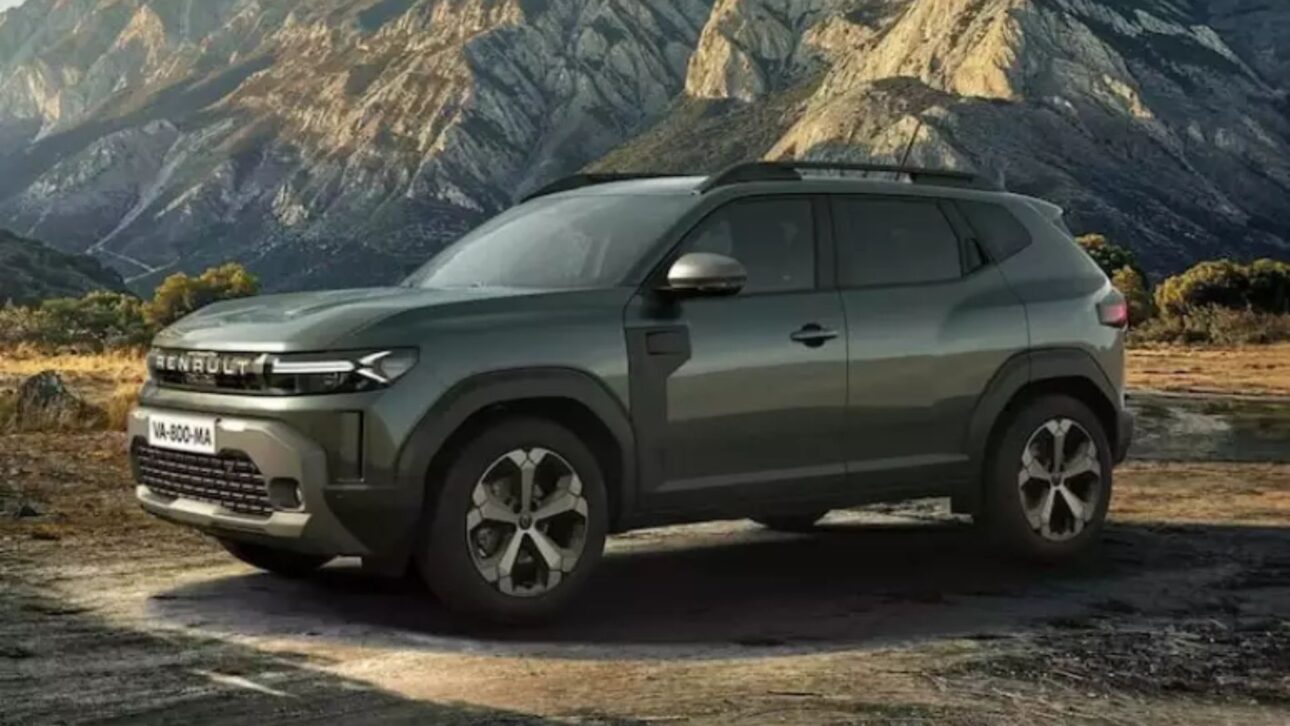
In Brazil, the Duster remains in the same generation introduced in the early 2010s. In 2020, it underwent a deep facelift, gained structural reinforcements, and improved in comfort and features, extending its lifecycle.
However, it continues to be built on the A0 architecture, designed in the early 2000s.
What Changes in the New European Generation
The most important change is the adoption of the CMF-B platform, which gives rise to newer projects of the Renault-Nissan alliance.
Besides enabling electrification and new assistance features, the base allows for a more current design, with flat surfaces, defined volumes, and lines that enhance the proposal of robustness.
Although the appearance has advanced, the dimensions retain the focus on internal space utilization.
The length has decreased slightly to about 4.35 m (the current national model is 4.38 m) and the wheelbase is close to 2.66 m (2.67 m in the Brazilian model).
The trunk remains generous, with around 472 liters in the new generation, compared to 475 liters of the car sold here.
Architecture and Suspension
Engineering has evolved in driving solutions. The 4×4 versions feature a multilink rear suspension, a feature that tends to elevate comfort and body control on uneven surfaces.
On the other hand, front-wheel-drive configurations maintain a focus on cost-effectiveness and robustness. The final calibration for Brazil, should the vehicle be launched, has not been detailed.
Engines: From 1.0 Turbo to 140 HP Hybrid
The engine range in Europe includes three pathways. At the base, there is a 1.0 turbo of about 100 HP, with an option for factory use with LPG (CNG/GLP).
In the middle, there is a 1.2 turbo associated with a mild hybrid system of 48 V, with power around 130 HP.
At the top, a full hybrid 1.6 setup appears, delivering just over 140 HP and operating with an automatic transmission.
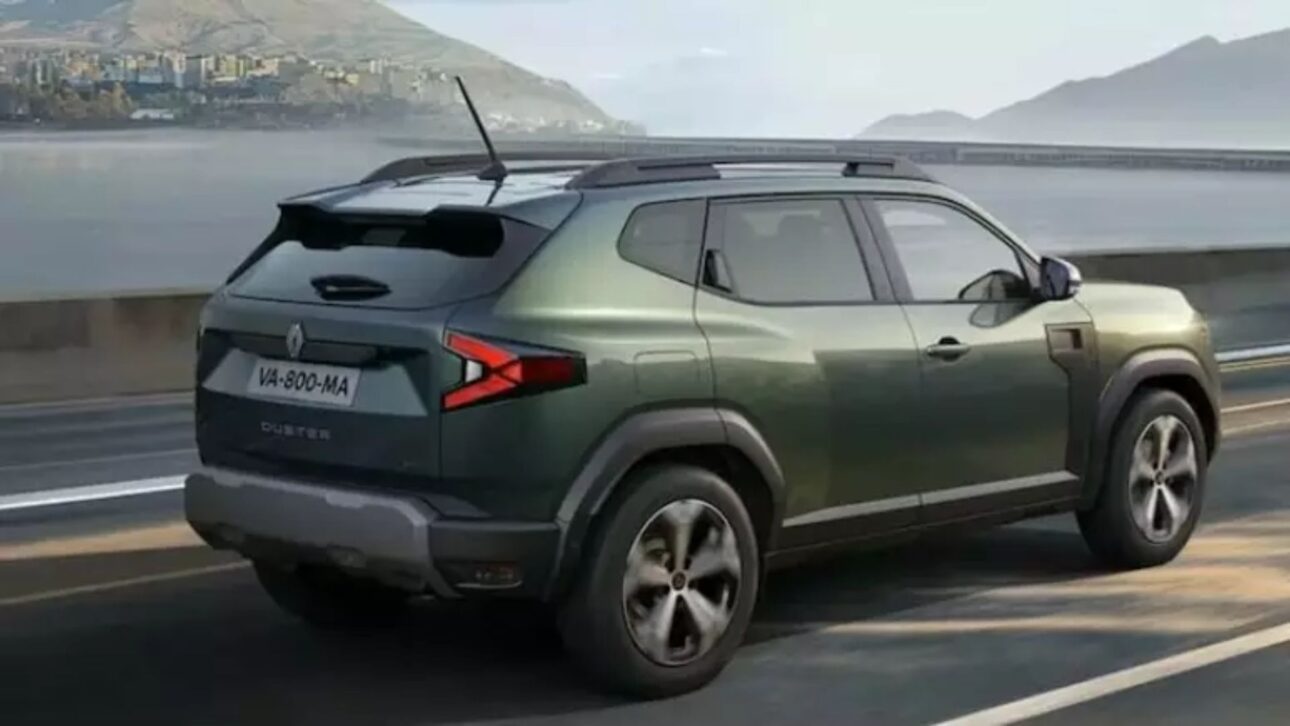
The other versions use a manual six-speed transmission, including when equipped with all-wheel drive. For Brazil, there is no confirmation on which engines would be adopted.
The presence of prototypes in testing indicates evaluation of alternatives — from efficiency to performance — but does not solely define commercial strategy.
Interior and Connectivity
The cabin has also undergone reorganization. The new Duster brings a digital instrument panel, expanded integration, and a 10” multimedia screen, along with options like Arkamys 3D sound system and 18” wheels.
Some versions offer easy-to-clean upholstery, designed for more intensive use on trails or in dusty and muddy regions.
This setup aims to provide a more modern finish than what is currently offered in Brazil, without abandoning the focus on space and practicality that has consolidated the model.
Driving Assistants Package
In terms of active safety, the European SUV incorporates collision warning with autonomous emergency braking, traffic sign reader, lane departure warning and assistance, and blind spot monitor.
The adaptive cruise control (ACC) does not appear among the features announced for the displayed versions.
In case of production or sale in the country, the local list will depend on regulatory requirements and pricing strategy.
How the Novelty Fits into the Local Strategy
Bringing the new Duster to Brazil would require industrial and commercial decisions. The brand has recently prioritized projects developed with a unique identity for the region.
The Kardian was born from a deep redesign of the Stepway to meet local preferences, and the Boreal adapts the concept of the Bigster to a more aligned approach to the Brazilian portfolio.
In light of these movements, the presence of the new generation Duster in testing could serve distinct roles: validating the SUV itself or serving as a basis for technical solutions integrating future national models.
Meanwhile, the compact SUV segment remains competitive and strategic.


The eventual adoption of the CMF-B platform would facilitate the standardization of components with other alliance products, such as the Kicks, with potential gains in scale and maintenance.
Electrification — whether mild or full — also aligns with efficiency goals and emissions legislation, points that weigh on automakers’ next steps in the country.
What Remains for Renault to Say
The manufacturer has not disclosed schedule, production location, configurations, or price range for the Brazilian market.
There is also no confirmation on which engines and safety packages would be prioritized. Until then, the observed testing indicates only that the brand is studying its positioning in one of the most competitive niches in the country.
In light of an evaluation scenario and without an official announcement, what path would make the most sense for Renault in Brazil: launching the new generation hybrid Duster or using the CMF-B base for a local project with a more “Brazilian” profile?


-

-

-

-

-

10 people reacted to this.