Portuguese
  Spanish


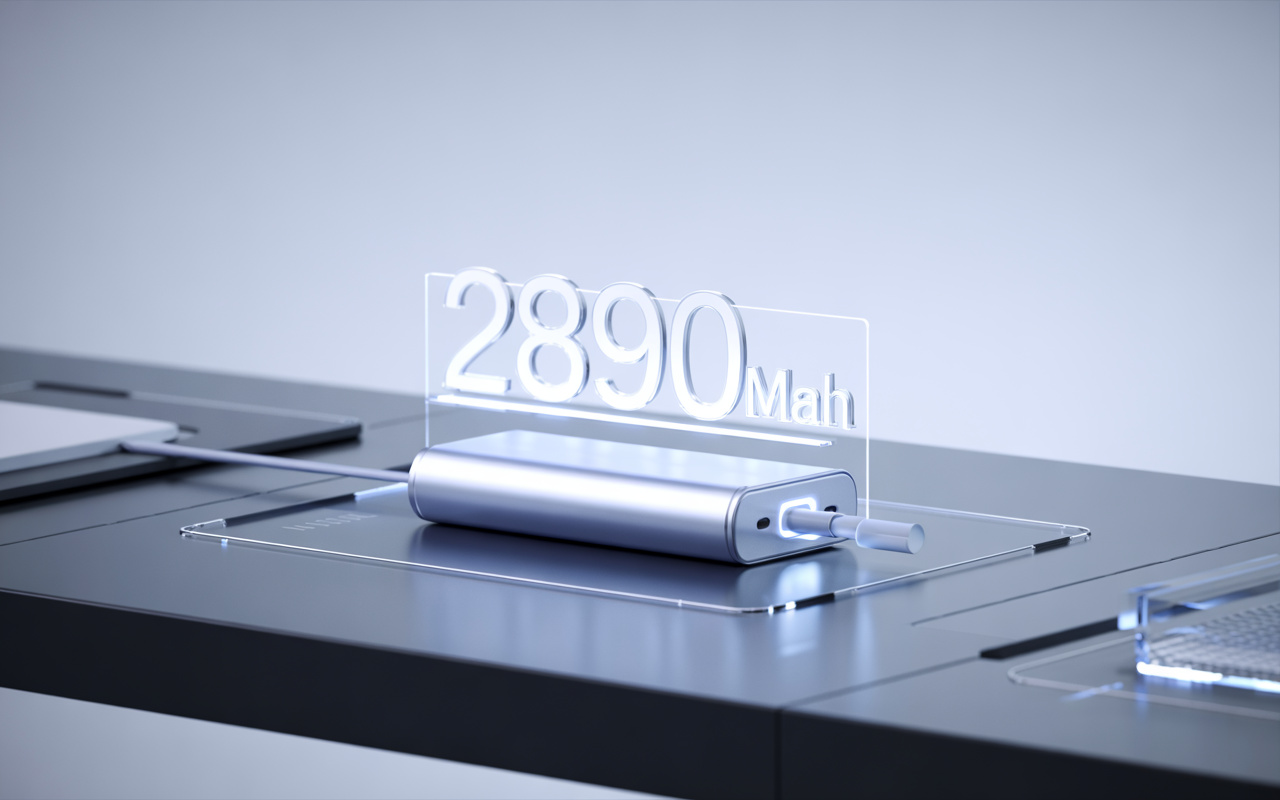


Images of the iPhone 17 Air Battery Leaked, Which Is Expected to Have Less Than 2,900 mAh. Apple Bets on the A19 Chip and the Adaptive Power Mode in iOS 26 to Ensure Battery Life Even with Ultra-Thin Design.
The iPhone 17 Air promises to be the thinnest model in Apple’s history, but new leaks reveal a controversy: the battery may have less than 2,900 mAh, a number far below what is expected from a premium smartphone in 2025. The well-known leaker Majin Bu published real images of the supposed component, confirming that the company opted for an ultra-thin design that sacrifices capacity to reduce thickness and weight.
According to the informant, the battery will be just over 5.5 mm thick and have a metal structure, designed to improve heat dissipation. The component is expected to have between 2,800 and 3,000 mAh, a significant reduction compared to the iPhone 16, which has 3,561 mAh — meaning the new model could lose up to 761 mAh of capacity.
iPhone 17 Air Battery: Reduced Size, Big Questions
Apple’s choice raises a dilemma: how to maintain battery life in a smartphone with such a small battery? Experts remind us that the last iPhone with a similar capacity was the iPhone 12, launched in 2020, with 2,815 mAh. However, the iPhone 17 Air will bring two differentiators that may offset this “setback”: the A19 chip and the Adaptive Power Mode of iOS 26.
-
Nigerian Professor Invents Electricity-Free Refrigerator Using Clay Pots and Wet Sand, Extending Shelf Life of Vegetables to 27 Days; 7,000 Units Distributed in Energy-Deprived Villages

-
Flower Farms Supplying London and Amsterdam Face Backlash for Environmental Impact on African Lake, Threatening Jobs for 50,000 Workers

-
World’s Largest Container Ship Departs Shanghai with 24,000 Containers, Set to Debut in Europe in July

-
NASA Explores How Microgravity and Sensors Alter Soccer Ball Spin in Space




The A19 processor will be manufactured using an even more efficient lithography, reducing power consumption. The new intelligent economy mode in iOS will function as an “adaptive profile” — similar to the Light Mode of Galaxy phones — which adjusts performance, screen brightness, and background features to extend battery life.
iPhone 17 Air Leak Reinforces Bet on Ultra-Thin Design
Rumors about the thickness of the iPhone 17 Air began in May, when insiders claimed that the model would be “the thinnest iPhone ever.” Now, the images of the battery reinforce this concept: to achieve the ultra-thin design, Apple had to reduce its energy capacity.
This move follows a philosophy already seen in other products from the company, which prioritize aesthetics, lightness, and comfort in hand, even if it requires compromises in hardware.
Battery Capacity of the iPhone 17: The Controversy of 2,800 mAh
In today’s market, where premium smartphones like the Galaxy S24 Ultra reach 5,000 mAh, a battery of less than 3,000 mAh seems anachronistic. But Apple bets on optimization to deliver an entire day of use for 60% to 70% of users, according to leaks from internal tests.
Other models in the iPhone 17 line are expected to offer more robust batteries, ensuring autonomy for up to 90% of people, but the Air will be the “ultra-thin” device in the family, designed for those who prioritize design and lightness.
Adaptive Power Mode: The Secret to Making the Battery Last
The new Adaptive Power Mode, already present in the beta of iOS 26, will be a key piece in balancing the equation between design and battery life. It uses artificial intelligence to identify when consumption is high and adjust the system in an almost imperceptible way, applying changes such as:
- automatic reduction of screen brightness;
- adjustments to the processor clock for light tasks;
- slowing down certain animations and background processes;
- increased efficiency in streaming and social media apps.
According to sources close to Apple, these adjustments could significantly prolong the device’s battery life, allowing even with less than 3,000 mAh for the battery to last the entire day for a good portion of users.
Apple May Launch Case with Built-In Battery for the iPhone 17 Air
For those who need even more autonomy, Apple is reportedly developing a case with a built-in battery — a sort of successor to the old Smart Battery Cases. The accessory would give the iPhone 17 Air an “extra boost” without compromising the thickness of the device, something that should please users who use the smartphone intensively for work or leisure.
iPhone 17 Air: Between Innovation and Compromises
The leak reignites an old debate about Apple’s choices: to what extent is it worth sacrificing battery capacity in the name of design? The iPhone 17 Air is expected to be the brand’s most elegant model, but also one of the most questioned in terms of battery life.
The expectation is that Apple will bet on software differentials and smart accessories to navigate the controversy. With a more efficient chip, the optimized iOS 26, and the possible case with extra battery, the iPhone 17 Air could surprise in practice — even with modest numbers on paper.
The iPhone 17 Air arrives with the mission of redefining the design of iPhones, but also with the challenge of proving that less than 2,900 mAh can be sufficient in 2025. If Apple can balance aesthetics, performance, and battery life, the model could become a success. Otherwise, the reduced battery could become one of the most criticized points of the new device.