Portuguese
  Spanish


Billion-dollar reserve, heavy oil, and weakened infrastructure help explain why Venezuela has the largest proven oil volume on the planet, but still faces difficulties in transforming this potential into production, export, and influence in the global market.
Venezuela holds the largest proven oil reserves in the world, estimated at about 303 billion barrels, according to the U.S. Energy Information Administration, EIA.
This volume, however, does not automatically translate into production, export, and participation in the international energy market, because a significant part of the reserves requires specific infrastructure for extraction, transportation, and refining.
The technical explanation lies in the nature of the oil concentrated in the Orinoco Belt, in the central-east of the country, where heavy and extra-heavy oils predominate, which are more viscous and more difficult to move than light oil.
-
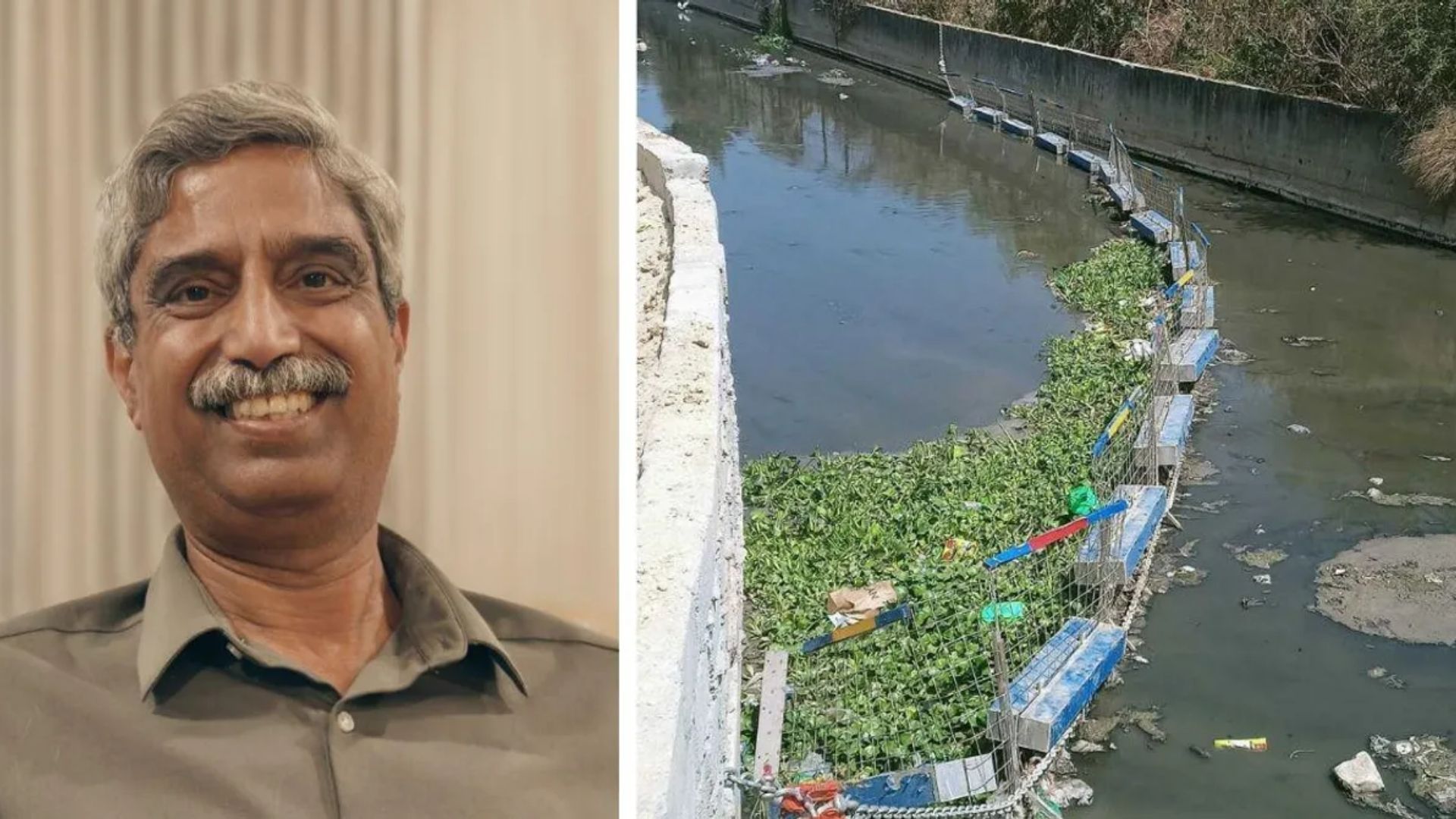
Former Merchant Marine Captain Invents Fuel-Free Barrier, Removes 20,000 Tons of Trash from Chennai Rivers

-
14-Year-Old Maxim Harris Turns School Project into Anti-Rage Gaming Accessory, Sells 1,000 Units Across 46 U.S. States, Donates 20% of Profits to Charity
-
Brazilian Health Agency Approves First Oral Medication for Cancer Patients
-
11-Year-Old Boy and His Mother Discover 1.8-Million-Year-Old Elephant Tooth on English Beach Eroded by the Sea




This factor helps contextualize the gap between the size of Venezuelan reserves and the volume produced by the country, which fell below Brazilian production in the most recent available data.
Heavy oil requires a specific industrial chain
According to the EIA, most of Venezuela’s proven reserves are in the Orinoco Oil Belt, a region identified by the U.S. agency as one of the world’s main concentrations of extra-heavy oil.
The size of the reserve, in isolation, does not indicate a country’s production capacity.
To transform this oil into commercial fuel, Venezuela depends on wells, diluents, upgrading units, pipelines, maritime terminals, stable electricity, and refineries capable of processing a highly complex product.
When this chain does not operate in an integrated manner, the oil remains as geological potential, without converting into exportable barrels on the same scale observed in previous phases of the Venezuelan industry.
Why Orinoco oil is more difficult to process
Unlike light oil, the heavy and extra-heavy oil from Orinoco presents higher viscosity and requires additional steps before reaching consumer markets or specialized refineries.
In many fields, this oil needs to be heated, mixed with diluents, or processed in industrial units known as “upgraders,” which reduce its viscosity and improve its transport conditions.
This requirement increases the complexity of the operation and expands the dependence on supplies, maintenance, electricity, and industrial equipment.
In the absence of diluents, parts, energy, maintenance, or operational safety, production can lose pace, even in areas with large volumes of oil accumulated underground.
Besides extraction, the flow depends on pipelines, pumping systems, tanks, ports, and terminals prepared to handle denser oil, which demands specific logistics.
Decline of Venezuelan Production
In the early 2000s, Venezuela produced more than 3 million barrels per day and maintained a significant presence in the North American market, especially in the refineries on the Gulf Coast of the United States.
Over decades, part of this refining park was adapted to process heavy oils from Venezuela, Mexico, and Canada, with coking, cracking, and desulfurization units.
Venezuelan production fell sharply after years of economic crisis, loss of technical capacity, lack of investment, infrastructure deterioration, and international sanctions.
In 2023, the EIA estimated that Venezuela accounted for 0.8% of global crude oil production, despite holding approximately 17% of the world’s proven reserves.
In Brazil, the ANP reported that average oil production reached 3.358 million barrels per day in 2024 and advanced to 3.770 million barrels per day in 2025.
United States’ Interest in Heavy Oil
The United States’ interest in Venezuela is related both to the size of the reserve and the compatibility between Venezuelan heavy oil and part of the refineries on the Gulf Coast.
This type of facility was designed to process denser and more complex loads, making Venezuelan oil relevant for certain refineries in the North American energy system.
Although shale light oil production has increased in the United States, this oil profile does not directly replace the heavy oil used by complex refineries.
In recent years, specific licenses granted to companies like Chevron have put part of Venezuelan production back on the international radar, although large-scale resumption depends on political, legal, financial, and operational conditions.
Sanctions, Chevron, and Partial Resumption
Reuters reported that Chevron maintained negotiations with the United States government to expand its operating license in Venezuela, aiming to increase crude oil exports to its refineries and other buyers.
The agency also reported that PDVSA sought to maintain oil production and export linked to projects previously operated with Chevron’s participation, amid changes in U.S. authorizations.
These movements indicate specific and license-conditioned resumptions, but do not constitute, based on available information, a U.S. operational plan to take over or control Venezuelan production on a large scale.
Infrastructure reconstruction would take years
According to energy sector analyses cited by Reuters, investors observe risks related to the legal system, infrastructure, and operational stability before expanding commitments to projects in Venezuela.
The resumption would not depend solely on reconnecting wells or signing new supply contracts.
It would be necessary to recover degraded facilities, modernize pumping systems, expand access to diluents, reinforce maritime terminals, ensure stable electricity, and restore the operational capacity of high-complexity projects.
In ports and maritime transport, recovery would also involve challenges related to draft, loading equipment, safe storage, and continuous operations.
These points appear in sector assessments as significant obstacles for a chain that has undergone years of low maintenance and loss of operational capacity.
Reserves do not indicate immediate production
The difference between reserve and production is at the center of the debate about Venezuelan oil.
The world’s largest proven volume does not guarantee immediate export capacity, nor does it automatically restore the role that Venezuela once held in the global market.
In the energy sector, the conversion of reserves into supply depends on the ability to extract, transport, refine, and sell the oil regularly.
For this reason, the Orinoco Belt remains one of the main assets of the global oil sector, but its full recovery depends on infrastructure, capital, technology, and institutional stability on a large scale.