Portuguese
  Spanish


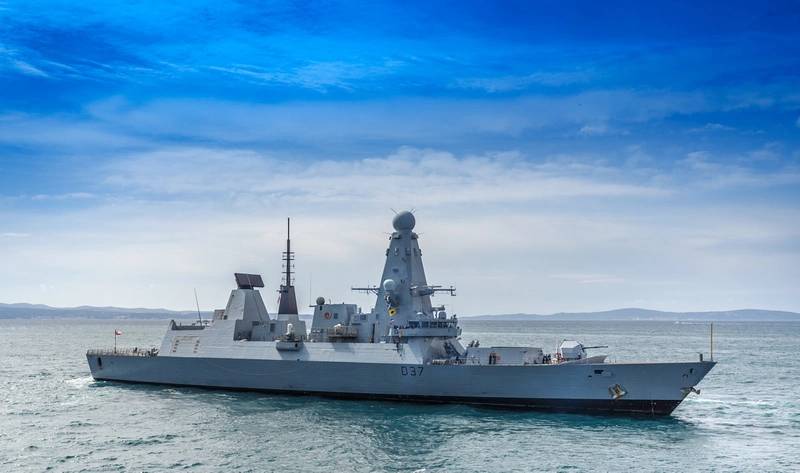

Maduro Protests British Warship Sending to Oil-Rich Waters of Guyana, Violating International Law.
Venezuelan President Nicolás Maduro expressed his concern over the deployment of a British warship to waters off the coast of Guyana, claiming it violates the agreement reached between Venezuelan and Guyanese authorities. Guyana and Venezuela recently agreed to avoid conflicts and tensions in the long-standing dispute over the Essequibo territory, rich in oil.
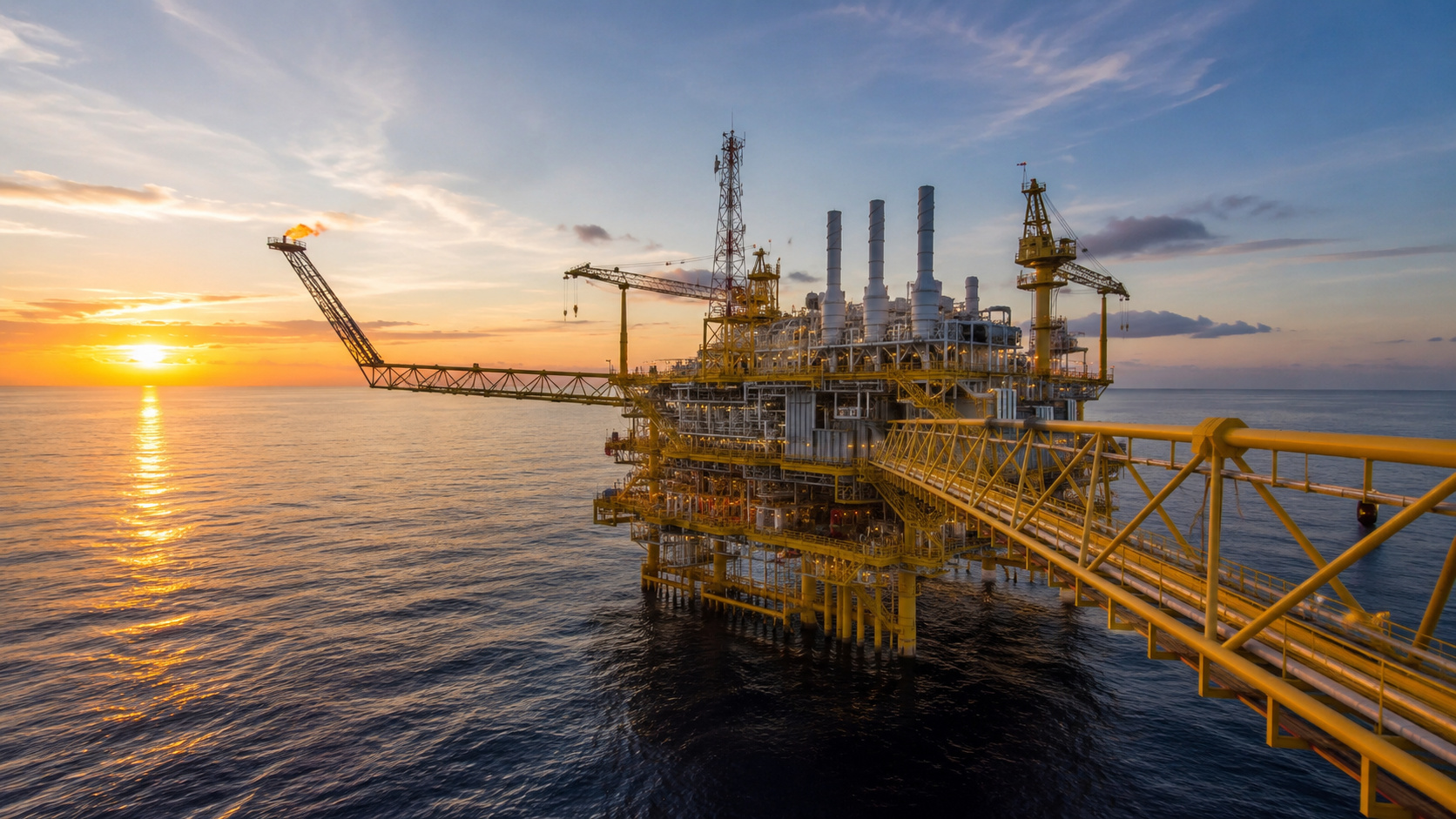
The Essequibo region, covering 160,000 square kilometers (62,000 square miles), is generally recognized as part of Guyana, but in recent years Venezuela has reignited its claim to the territory and offshore areas due to significant oil and gas discoveries. The Venezuelan president warned of the risks of heightened tensions in the South American country as a consequence of this situation.
Venezuela: Territorial Dispute and Reached Agreement
The Royal Navy patrol ship HMS Trent is visiting Guyana, a British ally and former colony, as part of a series of commitments in the region, the UK’s Ministry of Defense said in a statement earlier this month, without referencing Venezuela or the border dispute.
-
Oil production grows in Rio, but reserve replacement raises a warning sign

-
Petrobras is expected to complete the drilling of the Morpho well in the Foz do Amazonas in August 2026, the first well in the Equatorial Margin, an oil frontier that the ANP estimates at more than 30 billion barrels and could redraw the map of Brazil.

-
Oil returns to the center of concerns with tension between the US and Iran

-
IEA reduces forecast for global oil demand in 2026 after impacts of the Middle East crisis


Nicolás Maduro Denounces Military Threat
‘It is a breach of the spirit of dialogue, diplomacy, and peace of the agreements’, Maduro said on Thursday. He stated that the dispatch was ‘practically a military threat from London’. Maduro ordered ‘the activation of a joint defensive action of the Bolivarian National Armed Forces’ on the Essequibo coast, he said in a televised state broadcast, but did not provide further details.
Venezuela: Military Preparations in the Region
Military leaders in eastern Venezuela stated during the broadcast that 5,600 uniformed soldiers were ready for the operation.
Maritime and Territorial Defense of Venezuela
In a statement, the Venezuelan Ministry of Foreign Affairs said that the country ‘reserves all actions, under the Constitution and International Law, to defend its maritime and territorial integrity.’
- Venezuela protests against auction of offshore oil blocks in Guyana
Navy Government Update Activity Patrol Ships
The situation involving Venezuela, a South American country, and the recent visit of the Royal Navy patrol ship HMS Trent to Guyana, a British ally, has generated tensions in the region. Nicolás Maduro, President of Venezuela, denounced the deployment of the British ship as a military threat, asserting that it broke the spirit of dialogue and peace. He ordered the activation of a joint defensive action by the Bolivarian National Armed Forces on the Essequibo coast in response to the situation. Venezuelan military leaders stated they are ready for the operation, a move reflecting the country’s concern regarding the defense of its maritime and territorial integrity, in accordance with International Law. The situation led the Venezuelan Ministry of Foreign Affairs to issue a statement reserving all necessary actions to protect its territory.
The controversy surrounding the British ship’s visit to Guyana and Maduro’s statements highlight the geopolitical tension in the region, which is a resource-rich territory in oil and gas. The situation also reinforces the importance of diplomatic relations and respect for International Law to avoid conflicts. The recent visit and Maduro’s statements serve as a warning about the need for dialogue and cooperation between countries in the region to prevent military escalations and protect stability in South America.