Portuguese
  Spanish



Venezuelan President Nicolás Maduro Meets with Guyanese Leader Irfaan Ali. They Discuss Oil Production Reduction and Litigation at the International Court of Justice.
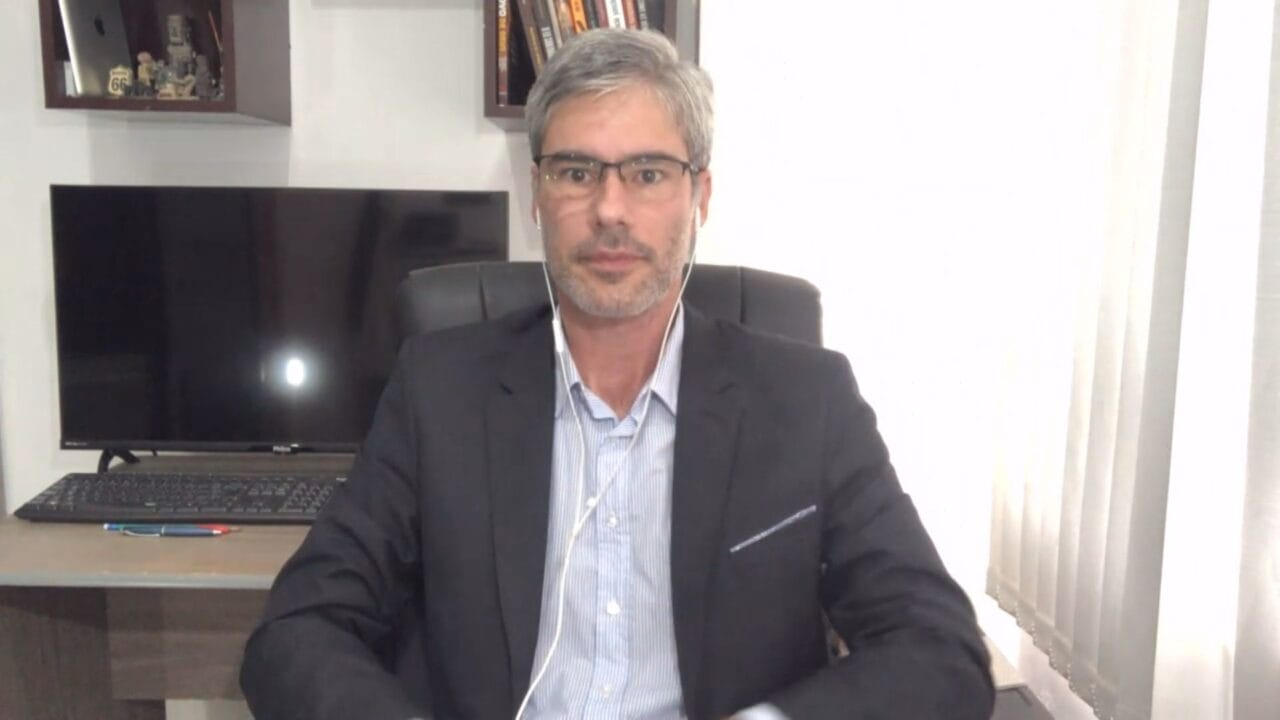
The Latin America specialist Felippe Ramos revealed in an interview with CNN that Venezuela is mainly interested in the financial aspect concerning the Essequibo dispute. Guyanese President Irfaan Ali will meet with Venezuelan leader Nicolás Maduro to discuss the crisis between the two countries.
Ramos also emphasized that Venezuela, a South American country in economic crisis, is facing difficulties in its oil production, which further increases its interest in the oil found in Essequibo, which is a supplement to the oil found in Venezuelan territory. The current situation highlights Venezuela’s urgent need to seek alternatives for its oil sector.
The Complex Situation in Venezuela
The expert points out that Maduro and Ali arrive at the meeting this Thursday (14), in Saint Vincent and the Grenadines, with already defined positions.
-
OPEC+ Boosts Oil Supply by 188,000 Barrels per Day in July 2026, Leading to Price Drop from $112 to $89 per Barrel in Under Two Months

-
TotalEnergies Signs 20-Year Deal to Purchase 2 Million Tons of LNG from Alaska, Boosting Project Viability
-
Turkey Deploys Çağrı Bey Drilling Ship to Explore New Oil Frontier Off Somalia’s Coast
-
Golden Pass LNG Ships First Liquefied Gas Cargo from the U.S., Completing $10 Billion QatarEnergy and ExxonMobil Investment

The Negotiations in Latin America
Maduro wants to negotiate the territory with Guyana and with the oil companies already operating in the region. Meanwhile, Ali states that this is an issue already defined by the International Court of Justice and that he is open to discussing any other matter.
The Presence of International Agents in the Negotiations
Ramos highlights that the presence of international agents is crucial in the negotiations, but at the same time brings complexity to a potential war.
‘This conflict between Venezuela and Guyana could bring a level of complexity from the Middle East to South America, due to the number of international actors involved and the complexity of their interests’, says Ramos.
The Importance of International Mediators
The population of Venezuela can be compared to the population of São Paulo state. On the other hand, Guyana is comparable to the size of the city of São José dos Campos in São Paulo. Ramos emphasizes that mediators, like Brazil, are essential for achieving an equitable negotiation.
The Political Challenges in Venezuela
Experts point out that Maduro’s move is also a way to divert attention from the presidential elections in Venezuela.
‘Maduro has no interest in holding free, fair, and competitive elections. Maria Corina Machado, who is the opposition leader – who won the primaries – is still banned from participating in the elections’, asserts Ramos.
The Use of National Security Discourse
According to the specialist, the national security discourse is being used by the local judiciary – controlled by Maduro – to persecute opponents.
‘Once there is a potential military conflict with Guyana, it is possible to adopt a national security doctrine to oppose dissidents’, he claims.
Source: CNN Brasil