Portuguese
  Spanish


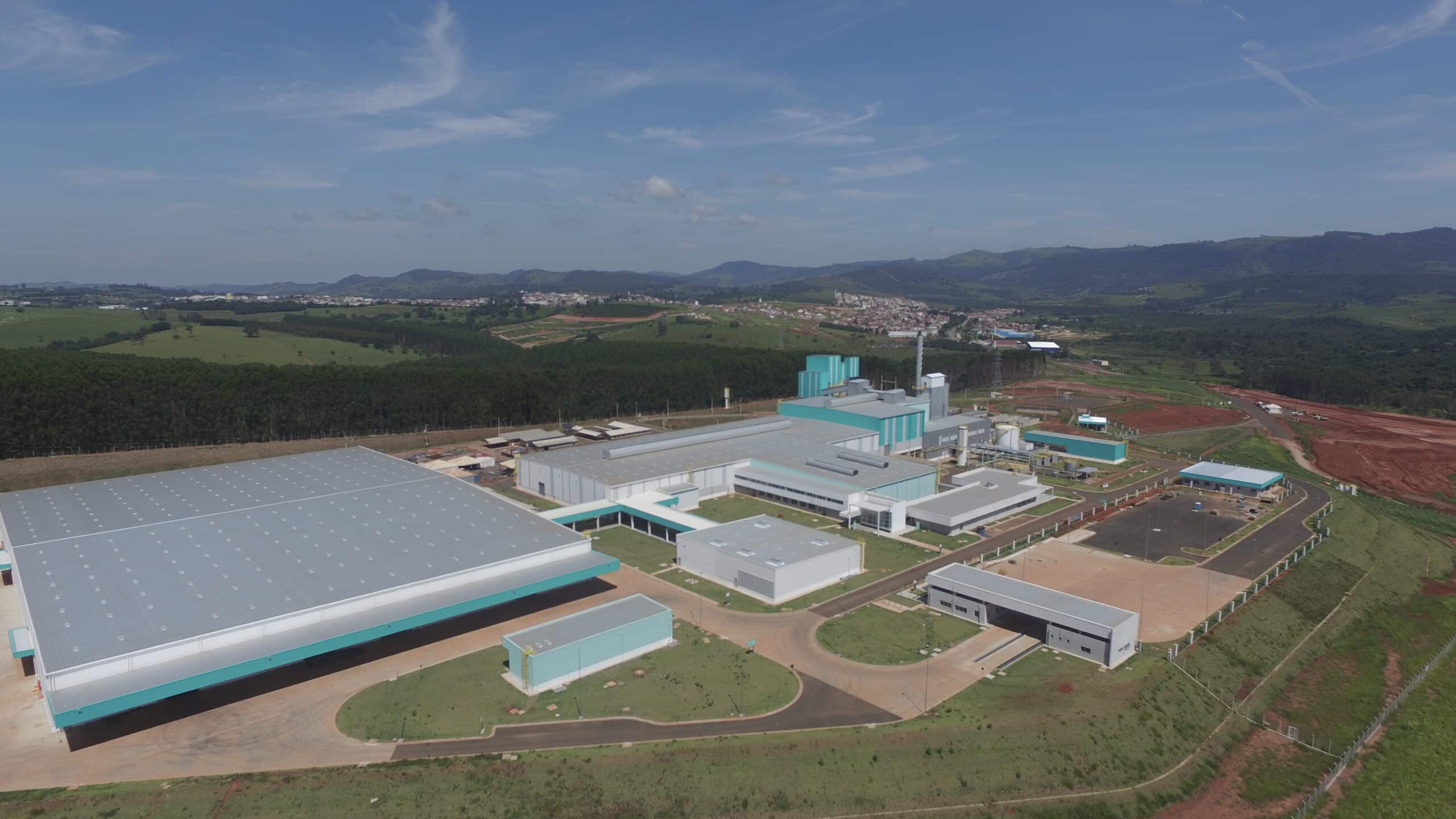

Verallia Is Investing 80 Million Euros in Building a Furnace in Campo Bom for Glass Packaging Production. From the Company’s Investments, Which Already Total R$ 1.5 Billion Across Brazil, 1,170 Jobs Will Be Created
Verallia, the third largest producer of glass packaging for beverages and food, announced a new investment of 80 million euros to expand its operations in Brazil. The investment is expected to create several new jobs focused on building a furnace in Campo Bom (RS), where the company already has a manufacturing facility.
Read Other Related News
Verallia Has Already Invested 140 Million Euros in Brazil
With the 60 million euros announced for the expansion of the Jacutinga (MG) factory in March this year, the company has already invested 140 million euros in the country just this year. When combined with investments from the past five years, Verallia has invested over 225 million euros, which is equivalent to R$ 1.5 billion. The goal for the new furnace in Campo Bom is to primarily serve the domestic market for spirits and wines.
The expected date for the new furnace to be fully operational is in the fourth quarter of 2023. The expansion will enable the production of approximately 700,000 glass packages per day at the new facility alone, in addition to job creation.
-
Prefabricated Home Assembled in Days Offers Cleaner, More Efficient Construction with Factory-Made Panels, Requires Technical Design to Prevent Moisture Issues

-
Chinese Manager Accused of Whipping Worker Sparks Protest by 1,200 Employees at Major Brazilian Factory

-
Single Mother Working Three Jobs Receives 111 m² 3D-Printed Home with Concrete Walls Built in 12 Hours, Featuring 3 Bedrooms, 2 Bathrooms, and a Printer for Replacement Parts
-
Simple Technique to Restore Rusty Metal Window Grilles Gains Attention for Revitalizing Old Structures Without Full Replacement



In total, the company’s daily production capacity in the southern region will be around 1.3 million pieces. Combining the two ongoing investments, the company’s daily production will exceed 2 million glass packages, resulting in more than double the production capacity by 2023.
Around 140 Permanent Jobs Will Be Created in the Initial Phase
According to Verallia’s General Director in South America, Quintin Testa, the investment in the southern part of the country was already part of the company’s plans. In addition, the market’s demand accelerated the decision, indicating that the company’s strategy is on the right track. Verallia aims to close the year 2021 with record production in Brazil, around 7% to 8% of the total recorded.
The investment applied in the expansion will create approximately 140 direct permanent jobs and another 30 indirect ones in the region. Throughout the construction, the hiring of subcontractors is expected to reach 1,000 indirect jobs during its civil construction phase, totaling 1,170 job vacancies generated.
The new furnaces from Verallia for glass packaging production will follow all standards in terms of technology from its other factories around the world. They will incorporate cutting-edge technologies to meet the demands for growth and quality in the coming years. Additionally, the machines will also be equipped with a system for treating atmospheric emissions.
Get to Know Verallia
Verallia aims to reimagine glass for a sustainable and clean future. The company employs over 10,000 people with 32 factories spread across 11 countries, making it a leader in Europe and the third largest global producer, providing its innovative, sustainable, and customized products to more than 10,000 companies around the world. In 2020 alone, the company achieved revenues of 2.5 billion euros and produced over 16 billion bottles and jars.