Portuguese
  Spanish


With 30 Years of Research in Fuel Cells and Pioneering with the Mirai, Toyota Argues That Hydrogen, Capable of Generating Energy Solely with Water Vapor, Could Replace Diesel in Heavy Transport
While most automakers are racing towards battery electric vehicles, Toyota remains firm in its conviction that hydrogen could be the key to mobility in the coming decades.
In an interview with the Australian portal Car Expert, Sean Hanley, vice president of sales and operations for the brand in the country, emphasized that this technology could even surpass diesel in heavy transport.
According to the executive, although diesel will not disappear in the next decade, it is unlikely to be the dominant fuel in the long run.
-
Chevrolet’s Parent Company to Invest Billions in Brazil to Modernize Factories, Update Cars, and Accelerate Hybrid Launch by 2028

-
Practical Driving Tests in Brazil Surge by 23.5%, Exceeding 2.2 Million by 2026, as New Rules Make the Process Cheaper and Simpler
-
Brazil’s Lula Government Allocates $463 Million Quota for Electric Car Parts, Waives Import Tax Until December, Sparking Competition Among BYD, Automakers, and Unions as Consumers Question Impact on Prices and Local Industry

-
Thinking of Installing LED Headlights? Why Replacing Halogen Bulbs is Still Banned, the Glare Risks Authorities Worry About, and How a New Proposal Could Allow Certified, Safe Installations


For Hanley, hydrogen is being underestimated in the current debate but has the potential to take on a central role, especially in segments where electric vehicles still face limitations, such as trucks and buses.
The Infrastructure Challenge
Despite the confidence in hydrogen, Hanley admits that infrastructure remains a significant obstacle.
Australia, for example, would need to invest heavily in refueling stations before expanding large-scale adoption.
The executive also criticized the narrative that hydrogen is “in the background” compared to electrics, reinforcing that the energy transition requires multiple solutions.
Three Decades of Research
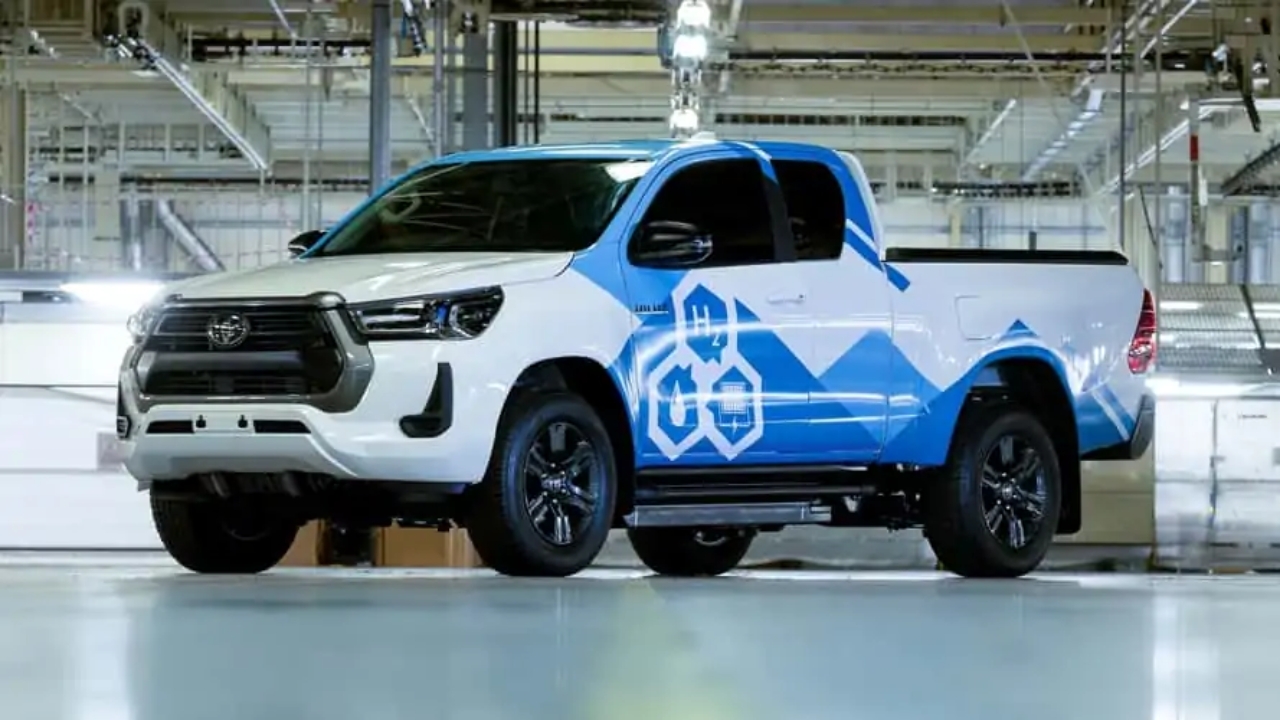
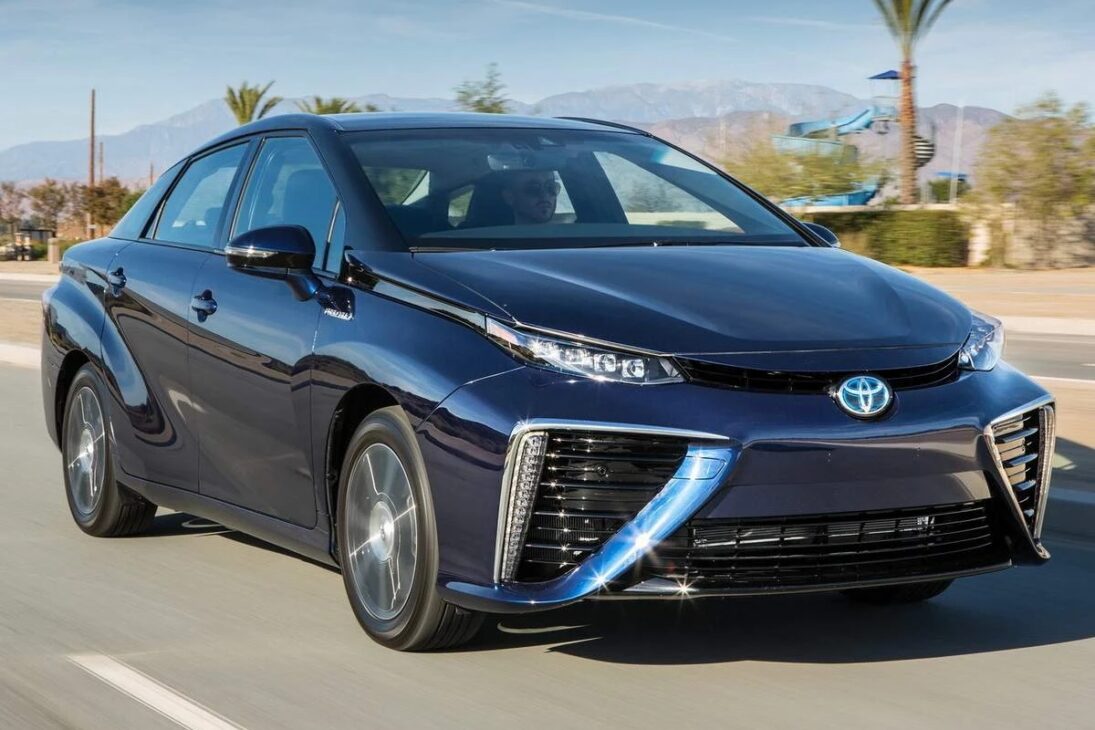
Toyota’s bet is not recent. The automaker has accumulated over 30 years of experience with fuel cells and was a pioneer in launching, in 2014, the Mirai, the first mass-produced hydrogen car.
Still, the history of the technology dates back to 1966, when General Motors introduced the Electrovan, considered the first vehicle powered by fuel cell, inspired by research conducted alongside NASA’s hydrogen use in the Apollo program.
Divided Competition
Today, the automotive sector is taking different paths. BMW announced it would begin production of its new generation of fuel cells in 2028, while Stellantis views hydrogen as just a market niche.
Meanwhile, Hyundai has been gaining prominence: since 2018, it has been selling the Nexo SUV, which generates electricity through an electrochemical reaction, emitting only water vapor and even purifying the air before releasing it into the atmosphere.
The Future of Diesel at Stake
Even amid challenges, Toyota insists on its long-term vision: hydrogen has room to grow and could, at some point, replace diesel.
For that to happen, however, the technology needs to advance at scale, reduce costs, and overcome the infrastructure barrier. If it depends on the Japanese automaker, this transition is already underway, albeit slower than the electric race.