






 Portuguese
  Spanish


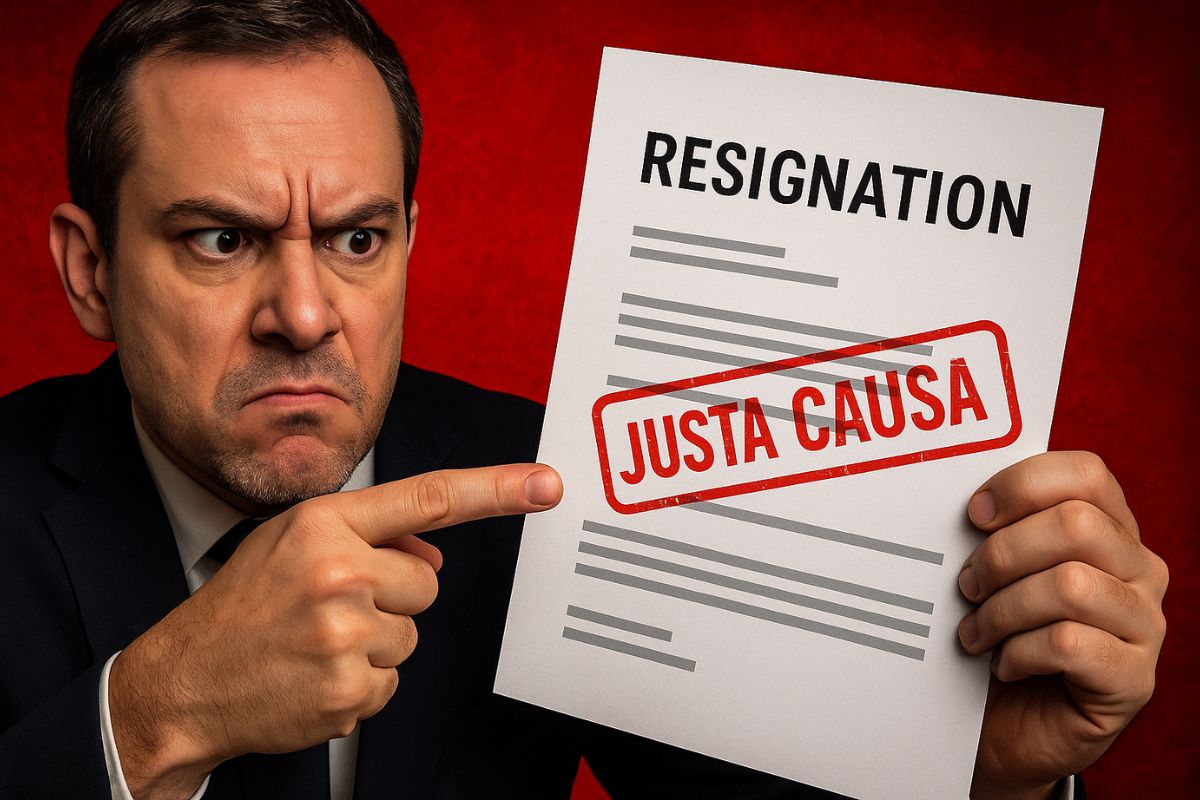


Expert Explains Why Refusing to Sign Can Protect Your Rights and Facilitate Reversal in Labor Court
Contrary to what many believe, no one is obliged to sign a dismissal for just cause. This guidance comes from labor lawyer Pedro Rogério L. Nespolo (OAB/PR 109.709), who works nationwide in defense of workers’ rights and emphasizes the importance of formally registering disagreement with the penalty.
According to him, refusal does not generate legal disadvantages. On the contrary: it can be essential to ensure a possible reversal of the dismissal and safeguard the worker in a court action. This warning is confirmed by the Consolidation of Labor Laws (CLT), which does not require the employee’s signature to validate this type of termination.
What the Law Says About Dismissal for Just Cause
Dismissal for just cause is provided for in Article 482 of the CLT and can only be applied when there is a serious fault, duly proven. Among the reasons accepted by law are acts of dishonesty, insubordination, abandonment of employment, drunkenness at work, and offenses to honor, among others.
-
$2.5 Billion Amazon Potash Mine Aims to Reduce Brazil’s 95% Import Dependency

-
Grendene’s Sales Decline in 2025, but Melissa Brand Surges 36% and Becomes Key Focus
-
World’s Largest Single-Line Pulp Mill Opens in Brazil, Costing $4.3 Billion

-
Pix Processed $35 Trillion in 2025, Becoming Brazil’s Leading Payment Method


Even so, the worker is not obliged to acknowledge the penalty by signing the notice. If he disagrees, he can refuse to sign or, as advised by the lawyer, register his objection on the document — for example, by writing “I disagree with the terms” and requesting a signed copy.
Which Rights Are Preserved Even in Just Cause
Dismissal for just cause removes several rights, such as notice, proportional 13th salary, proportional vacation, withdrawal from FGTS, and unemployment insurance. However, the worker still has the right to the remaining salary and accrued vacation with an additional ⅓, if applicable.
These amounts must be mandatorily paid by the company, regardless of the reason for termination. Failure to pay constitutes a labor infraction, and the worker can take legal action even without contesting the reason for dismissal.
Refusing to Sign Helps in Possible Legal Action
According to Nespolo, signing without reservations may harm the worker in a lawsuit. This is because the document can be interpreted as agreement with the dismissal. On the other hand, refusal or signing with comments demonstrates that the employee did not accept the justification and opens the door for legal contestation.
Labor Court requires the company to prove the serious fault with documents, witnesses, or records. If it fails to do so, it is possible to convert the dismissal to without just cause — which restores the rights lost to the worker and, in some cases, can result in compensation for moral or material damages.
What to Do If You Receive a Dismissal for Just Cause
The labor lawyer advises the following step-by-step for those who find themselves in this situation:
- Do not sign the notice or, if you sign, write down that you do not agree with the terms;
- Request a copy of the document with your signature and comments;
- Seek legal advice from a labor lawyer immediately;
- Gather evidence and witnesses that can support your version of the facts;
- If there are indications of error, injustice, or harassment, file a labor lawsuit.
Dismissing for just cause is not a final sentence, and the worker has the right to contest it. Refusing to sign or making your disagreement clear can be essential to ensure your future defense. Labor Court recognizes this right, and no employee should be coerced into accepting a penalty they consider improper.
Have you ever gone through a similar situation? Do you believe that the just cause was applied correctly? Share your experience in the comments.


