






 Portuguese
  Spanish


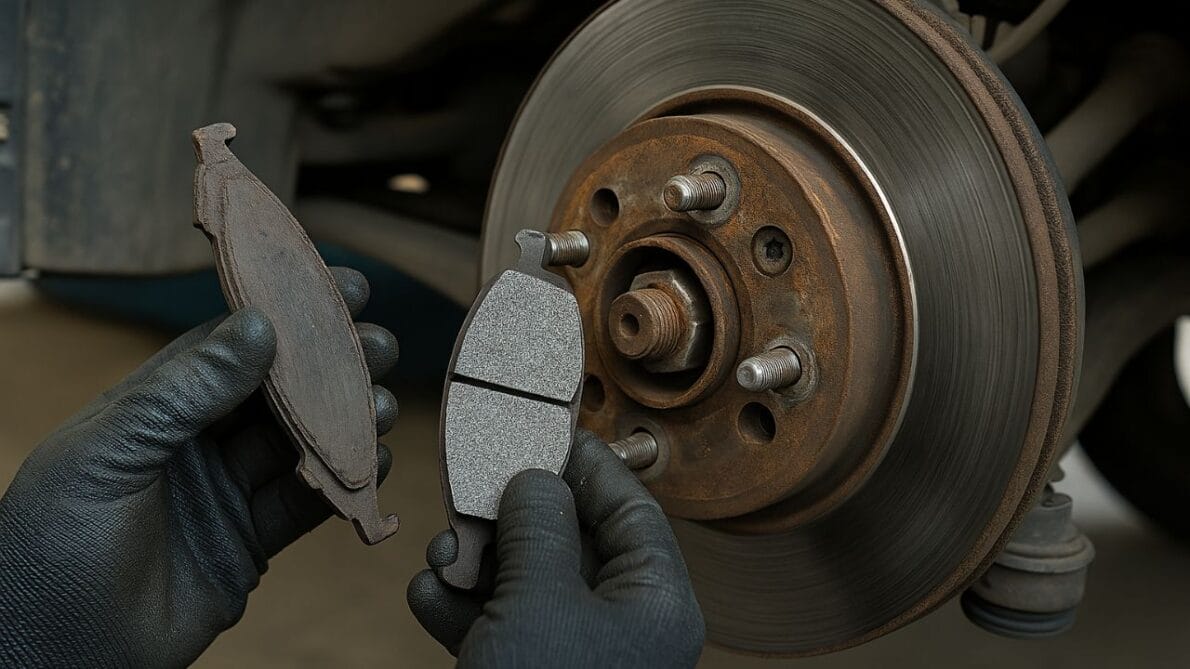

Expert Explains When to Change Brake Pads, How to Identify Wear, and Avoid Damage with Damaged Discs
Knowing when to change brake pads is essential for the safety of the vehicle and the driver. Ignoring signs of wear can lead to a loss of braking efficiency, damage to the disc, and increased maintenance costs.
How Brake Pads Work and What Causes Wear
Brake pads work through friction with the discs, reducing the vehicle’s speed from the pressure of the hydraulic system. Over time and with constant use, it is natural for this friction to wear down the pad material. Some have mechanical sensors that emit a distinctive squeal when the limit is reached; others have electronic systems that alert directly on the car’s dashboard.
One of the most common signs of wear is noise when braking, in addition to a loss of efficiency and vibration in the pedal. These symptoms indicate that the thickness of the pad is already well below ideal and that replacement should be done immediately to avoid damage to the disc.
-
Turbocharged Engines with Direct Injection: Why High-Performance Engines Over 130 HP/Liter and Turbines at 200,000 RPM Challenge Durability

-
Chevrolet’s Parent Company to Invest Billions in Brazil to Modernize Factories, Update Cars, and Accelerate Hybrid Launch by 2028

-
Practical Driving Tests in Brazil Surge by 23.5%, Exceeding 2.2 Million by 2026, as New Rules Make the Process Cheaper and Simpler
-
Brazil’s Lula Government Allocates $463 Million Quota for Electric Car Parts, Waives Import Tax Until December, Sparking Competition Among BYD, Automakers, and Unions as Consumers Question Impact on Prices and Local Industry


What is the Right Time to Change Brake Pads and How This Varies from Car to Car
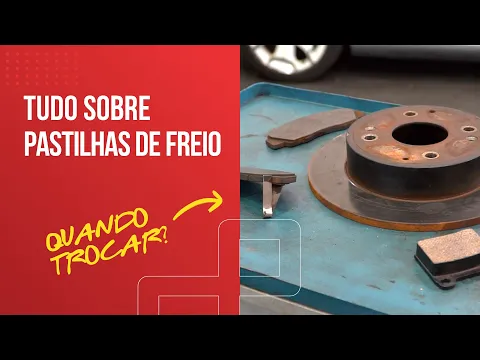

There is no exact mileage for changing brake pads, as wear depends on driving style, the quality of the part, and the conditions of car use. Generally, it is recommended to inspect every 20,000 to 25,000 kilometers driven. In urban routes with heavy traffic, the need for replacement may arise sooner. Ideally, preventive maintenance should be carried out at specialized workshops.
According to Canal da Peça, driving with the pad at the use limit can make the material harder, damaging the disc and requiring the replacement of the entire set. Therefore, the ideal replacement should happen while there is still half of the part’s lifespan left, preserving the efficiency of braking and avoiding additional expenses.
Differences Between Materials and Care with Quality
Not all brake pads are the same. There are models with ceramic compounds, more common in sports and turbocharged vehicles, which require a minimum temperature to work correctly. Conventional pads are sufficient for passenger cars, as long as they have good provenance and compatibility with the vehicle model.
In addition, external factors such as high humidity and long periods with the car parked can compromise the integrity of the pad, drying out the material and reducing its efficiency. It is also important to observe possible cracks or vitrification, which occurs from overheating and compromises adhesion to the disc.
Final Tip: New Brake, Extra Care in the First Kilometers
After changing the pads, the driver should avoid harsh braking in the first 50 kilometers. This period is essential for settling between pads and discs, ensuring the optimal performance of the braking system.
According to the mechanic from Canal da Peça, keeping the braking system up to date is a matter of safety, economy, and care for the vehicle. The channel emphasizes the importance of seeking specialized workshops and using quality parts to ensure the proper functioning of the system in any situation.


