Portuguese
  Spanish


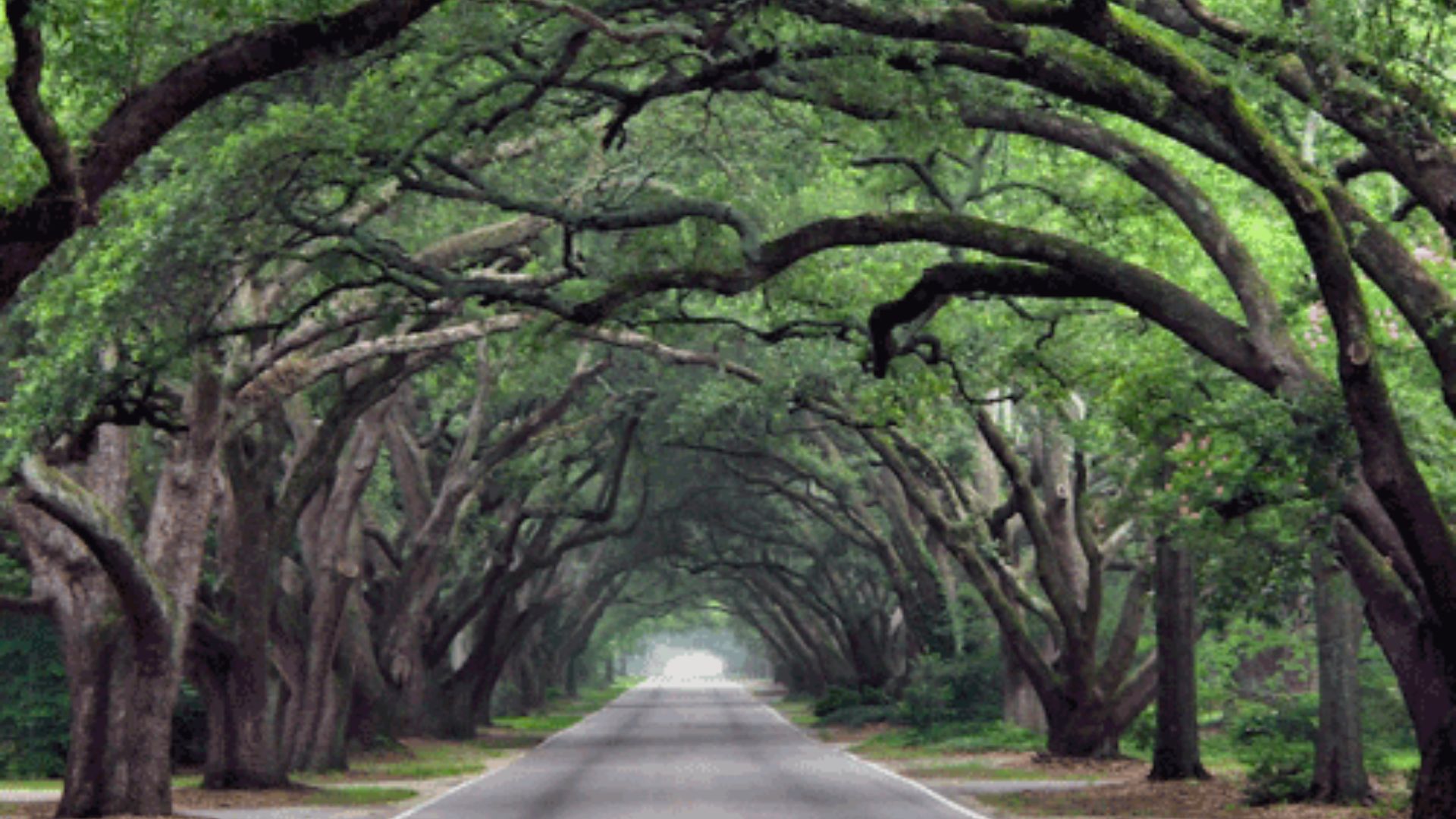
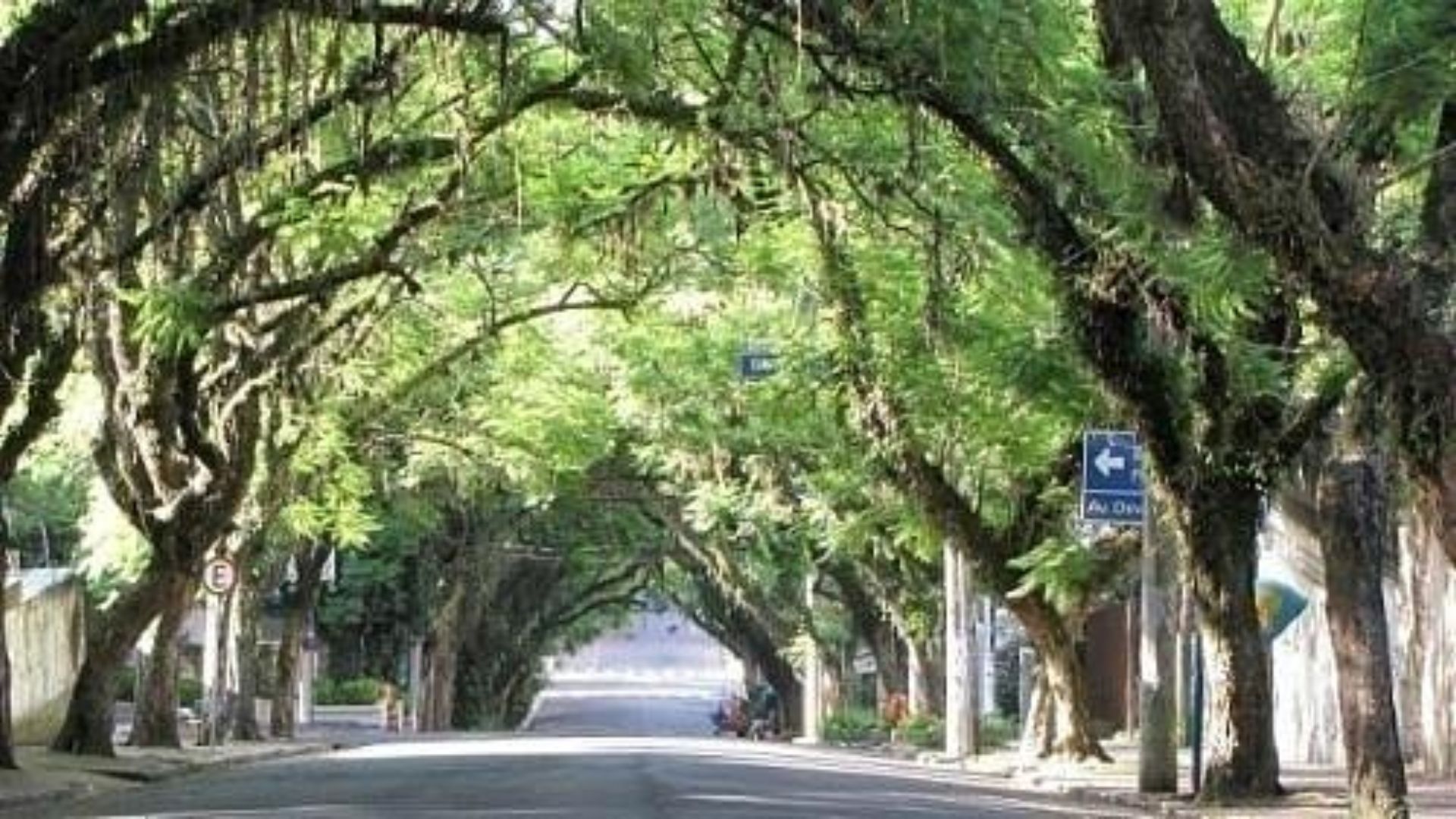
In Porto Alegre, a street encircled by century-old trees has become a world reference for sustainable urbanism, uniting environmental preservation, historical heritage, and quality of life in public space.
The Rua Gonçalo de Carvalho, in Porto Alegre, has established itself as a symbol of integration between city and nature.
Located in the Independência neighborhood, the street spans about 500 meters and is lined with approximately 100 tipu trees that form a continuous green tunnel.
Since 2006, when it was declared Environmental Heritage of the municipality, it has become a reference for those seeking to reconcile mobility, thermal comfort, and landscape preservation in urban areas.
-
Bird-Inspired Robot Glides on Air Currents up to 10 m/s, Balances Itself, and Aims to Save Energy in Industrial Inspections and Meteorological Balloons

-
Eight Artists Secretly Lived in a Hidden 70m² Apartment Inside a Shopping Mall in Brazil for Four Years
-
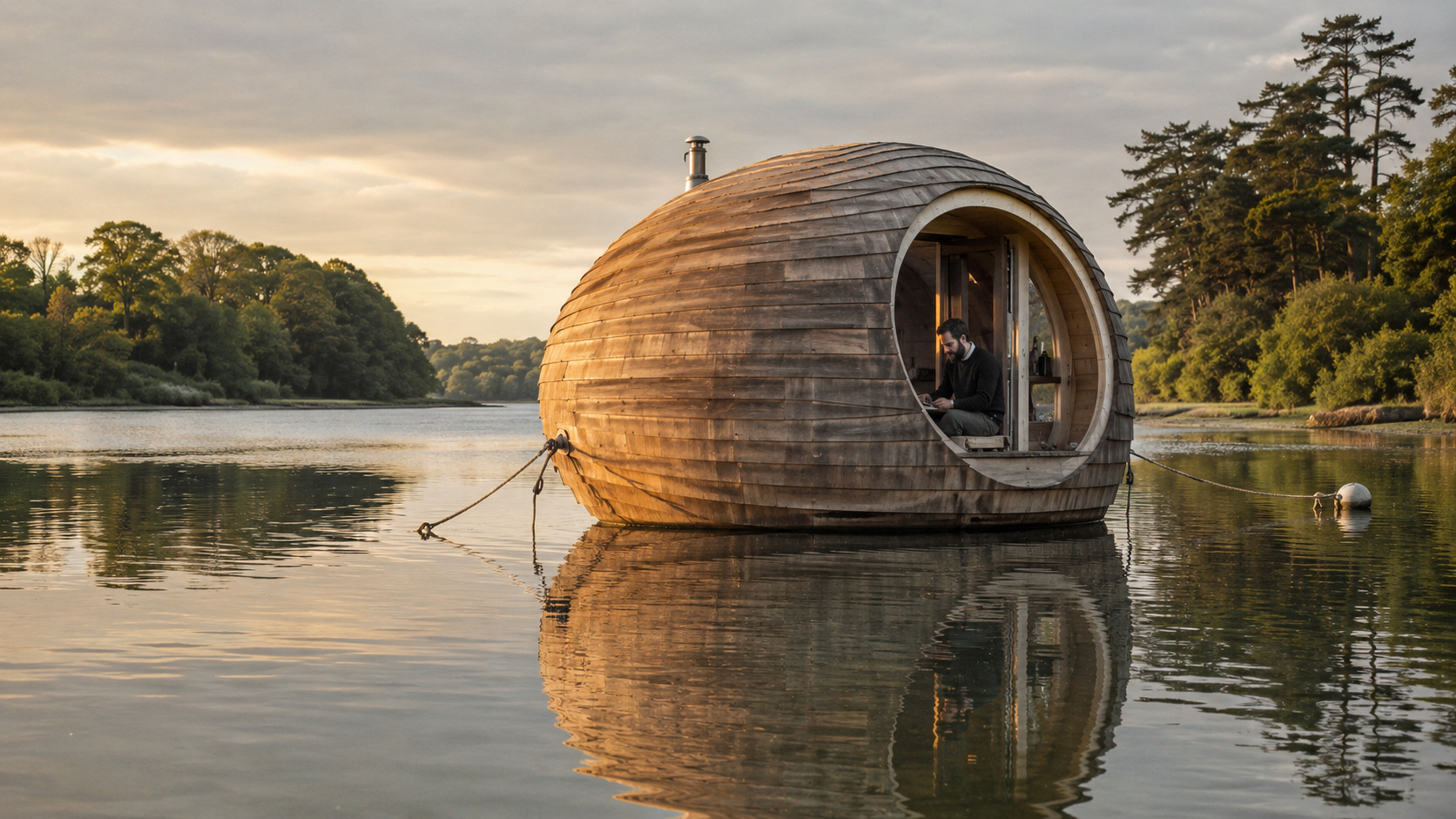
Artist Lives in Giant Wooden Egg Over a UK River to Observe Tides and Environmental Changes
-
Over 20 Metal Drums Repurposed into School Transport Train Boost Attendance in Australian Aboriginal Community



Where It Is and Why It Draws Attention
Situated in a traditional area of the capital of Rio Grande do Sul, the street impresses with its visual impact and the sense of breathing space amid the urban fabric.
The intertwined canopies create a constant shade, reduce the surrounding temperature, and make the walk more pleasant even on hot days.
Additionally, the density of the trees helps filter air particles and dampen noise, fostering an environment conducive to social interaction and pedestrian circulation.
Meanwhile, the design of the sidewalks and the rhythm of the facades reinforce the reading of the entire ensemble. It is not just about scenic beauty.
The continuous tree canopy, combined with the profile of residential and commercial use, creates a corridor where pedestrians feel safer and linger longer. This, in turn, stimulates neighborhood life and the local economy.
How the Nickname of “Most Beautiful Street in the World” Came About
The label that brought Gonçalo de Carvalho international attention emerged in 2008, after Portuguese biologist Pedro Nuno Teixeira Santos highlighted the uniqueness of the green tunnel on his personal blog.
The post gained traction on social media and on specialized pages in urbanism, the environment, and architecture, increasing the visibility of the place.
On the other hand, there is no official international endorsement for this title.
Still, the nickname helped promote the Porto Alegre experience as a success case in landscape integration.
Since then, images of the street frequently circulate in reports, travel guides, and environmental education materials, reinforcing its value as a showcase of low-impact urbanism.
Environmental Heritage and Preservation Rules
The legal protection was formalized in 2006, on World Environment Day, when the City Hall of Porto Alegre recognized the street as Environmental Heritage.
The decision established barriers to interventions that could compromise the original landscape, such as cutting down trees without technical justification or structural changes to sidewalks and facades that would disfigure the ensemble.
Still, the status of protection does not prevent necessary adjustments for safety and urban maintenance.
They can occur but must follow technical parameters and environmental assessments, focusing on the integrity of the tipu tree tunnel and the balance of the microclimate that the vegetation provides to the block.
Architecture and Urban Memory
The value of the place is not explained solely by the canopies.
Along the path, residential and commercial buildings with neoclassical features survive, representing an important period of urban expansion in Porto Alegre.
Although they are buildings from different eras, the alignment of height, the windows, and the more discreet ornaments maintain visual coherence with the greenery.
Furthermore, the preservation of these facades contributes to the historical reading of the Independência neighborhood.
The result is a set where architecture and arborization complement each other, reinforcing the understanding of the street as cultural and environmental heritage.
Sustainable Urbanism at the Street Scale
Mobility and planning experts often cite Gonçalo de Carvalho as an example of a humanized street.
The reason is clear: the environment favors walking, lingering in public space, and a sense of comfort.
The continuous shade reduces thermal stress, while the presence of trees enhances urban biodiversity, providing shelter for birds and small pollinator insects.
However, the case is not limited to ecological benefits.
There are direct effects on public health, as shadier and more pleasant environments tend to encourage walking and socializing, improving well-being indicators.
In terms of planning, the street demonstrates how vegetative solutions can serve as urban infrastructure, helping regulate the microclimate and mitigate heat islands without large-scale works.
Inspiration for Other Cities
The spontaneous international media coverage transformed the street into a showcase of good practices.
Since then, managers and technicians from different municipalities have highlighted it as a reference for street greening projects.
The main lesson is that the integration of mature trees, accessible sidewalks, and active fronts enhances both environmental quality and the daily dynamics of the neighborhood. Still, replicating the model requires planning.
The selection of suitable species, the sizing of planting beds, the protection of root systems, and periodic maintenance are basic conditions for sustaining long-lasting results.
When these considerations are included in the budget and the routine of cities, the gains are collective: thermal comfort, aesthetics, stimulation of local commerce, and appreciation of heritage.
An Experience Open to Residents and Visitors
Despite its recognition, Gonçalo de Carvalho remains a street for everyday use.
Residents walk beneath the canopies of the tipu trees, workers cross the stretch heading to transportation, and visitors capture the green tunnel at different times of the year.
In spring, the blooming brings new colors to the scene. In summer, the shade makes the journey cooler. In autumn, the changing leaves refresh the landscape.
Finally, this everyday coexistence reinforces the sense of belonging. The street is not a closed park nor an isolated backdrop: it is part of a functioning city.
The status of Environmental Heritage helps ensure it remains that way, preserving the ensemble and guiding future interventions with technical criteria.