






 Portuguese
  Spanish


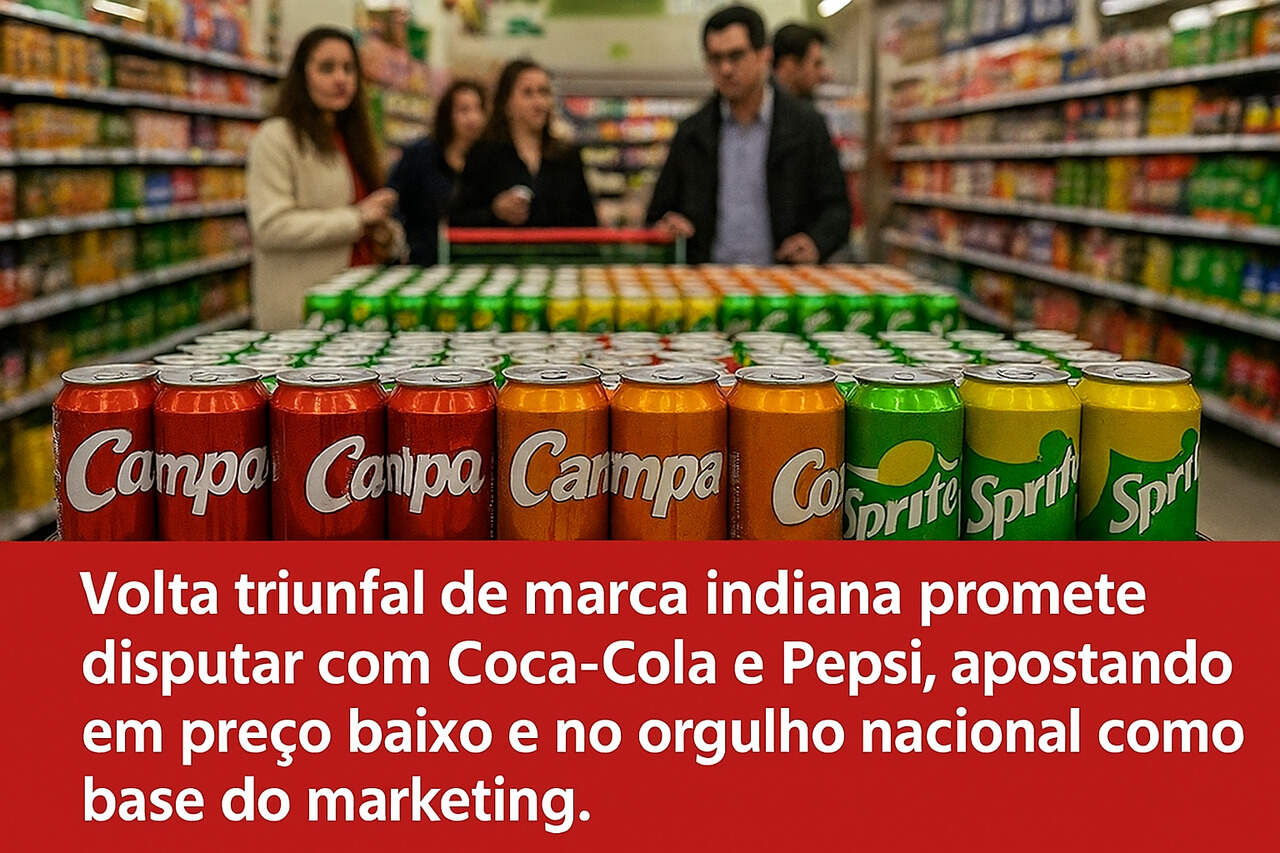


Focusing on National Pride, Affordable Price, and New Flavors, Campa Cola Attempts to Reclaim Its Space Against Giants like Coca-Cola and Pepsi
Campa Cola is back. The traditional Indian cola wants to regain its space in the market and directly face names like Coca-Cola and Pepsi.
With a campaign based on national pride and an affordable price of USD 0.12, the brand bets high on the sense of belonging of the Indian consumer.
Campa Cola appeared in the 1970s and soon became one of the most popular beverages in India. At that time, it was a symbol of local consumption and national pride.
-
France Revamps 530 Social Housing Units with Large Balconies and Glass Facades Without Demolishing Existing Buildings

-
10-Year-Old Max Makes History with Paris Fashion Show, Launches Own Brand, Hires Staff, and Sets World Record as Youngest Runway Designer

-
Bolivian Female Construction Workers Form Association to Combat Discrimination and 38% Pay Gap in the Industry
-
Near Amsterdam, residents buy land and discover they must also build streets, manage drainage, handle waste, and grow food on half their plot.




However, with the arrival of Coca-Cola and Pepsi in the country, the brand lost market share. The multinationals dominated the market with strong marketing and distribution presence, leaving Campa Cola in the background.
Strategy to Reclaim the Consumer
Now, the Indian brand wants to turn the tide. The new strategy focuses on patriotism. With a slogan aimed at valuing local products, Campa Cola wants to convince the public to choose a soft drink that carries the identity of the country.
The campaign reinforces messages such as “consume local” and “strengthen the national industry.”
The packaging has also changed. The brand has modernized its presentation and aims to attract both old consumers and a new audience.
The bet is that the emotional connection with the brand will make a difference in consumer choices.
Investment and New Flavors
To compete equally with global giants, Campa Cola is investing in modernizing its factories and expanding its distribution network.
The idea is to reach regions that were previously dominated by multinationals, including rural areas of India.
Another bet is on flavors. The brand plans to launch new options with local ingredients, blending tradition and innovation to attract more consumers.
Campa Cola: Challenges and Market Impact
The mission will not be easy. Coca-Cola and Pepsi have a strong presence and preference among consumers. However, the current moment favors local products, which may open space for Campa Cola’s return.
If the strategy works, the Indian beverage market could undergo a transformation. Competition is likely to increase, and consumers may benefit with more variety and competitive prices.
With information from Gazeta de São Paulo.








