Portuguese
  Spanish



Volvo Electrified Cars In Brazil Will Increase In 2024, But Will Not Apply 100% Of The Government’s Import Tariff.
Until January 2024, electrified cars from Volvo still have a tax exemption for importation, making them more accessible for consumers interested in this technology. However, starting on that date, the situation will change and the prices of these vehicles are expected to rise significantly.
- How Much Will The 10 Best-Selling Electric Cars Cost After Taxes?
- Is It Time To Buy An Electric Car?
The Swedish automaker, aware of the impact this measure may have on consumers’ wallets, is seeking alternatives to minimize the price increase. Volvo’s strategy is to adopt its own math to lessen the impact of the tariff set by the government in order not to burden its customers.
Volvo Confirms Price Increase In Brazil
Marcelo Godoy, president of Volvo in Brazil, confirmed that, on average, the cars from the Swedish automaker will be between 5% and 10% more expensive in the country. The percentages will be applied according to the model and the engine.
-
Rolls-Royce Turns Heads with 30-Inch Floating Wheels, 6.6-Liter V12 Engine, and 563 Horsepower

-
2019 Kia Sportage EX: A Spacious and Cost-Effective SUV with 2.0 Flex Engine and Panoramic Roof
-
Fiat Strada Becomes Top Seller in June, Surpassing Onix, Polo, Hilux, and T-Cross with 107 HP Engine and 732 km Range.

-
Suitcase-sized hydrogen engine spins at 25,000 rpm, nearly doubling the efficiency of conventional cars and replacing exhaust smoke with water vapor


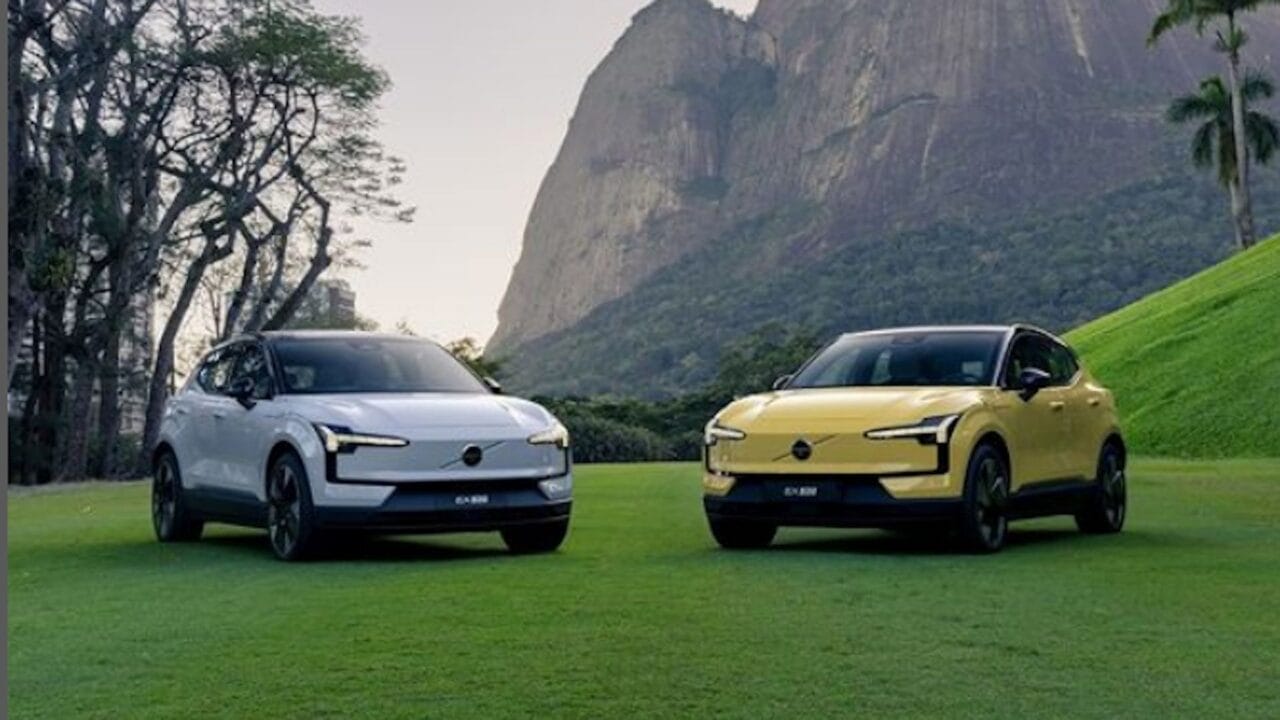
The popular electric SUV, Volvo EX30, launched to be the brand’s ‘popular’ model in Brazil, with prices ranging from R$ 219.950 to R$ 279.950, will be the least impacted by the import tax, with a 5% increase across the board.
In contrast, Volvo reported that even customers who pre-ordered the model (about 2,000), expected to begin delivery in the first quarter of 2024, will not escape the increase due to the return of the tariff imposed by the government.
Volvo Absorbs Part Of The Tax To Maintain Commercial Objectives In The Country
The president of Volvo emphasized that the brand is absorbing half of the tax (in the case of the EX30) to ‘make it clear to the market what the commercial objectives are in the country’ and, also, to ‘strengthen brand building’ in Brazil.
The other electric models from Volvo, XC40 and C40, will see their prices raised by 10%, as will the brand’s plug-in hybrids, the XC60 and XC90. The increase applied to the duo is also lower than that established by the government for hybrids, which will be 12% starting in January 2024.
Volvo Will Not Follow The Government’s Tariff Table
It is also worth reinforcing that Volvo does not intend to follow the government’s tariff table, which will have new increases in July 2024, July 2025, and July 2026, reaching a peak of 35% for all electrified cars. The Swedish automaker will apply a one-time tariff of 5% or 10% on cars sold in Brazil.
Source: Canal Tech