Portuguese
  Spanish



With the Aim of “Electrifying” Brazil, Volvo Announces It Will End Production of Gasoline and Diesel Combustion Engine Cars
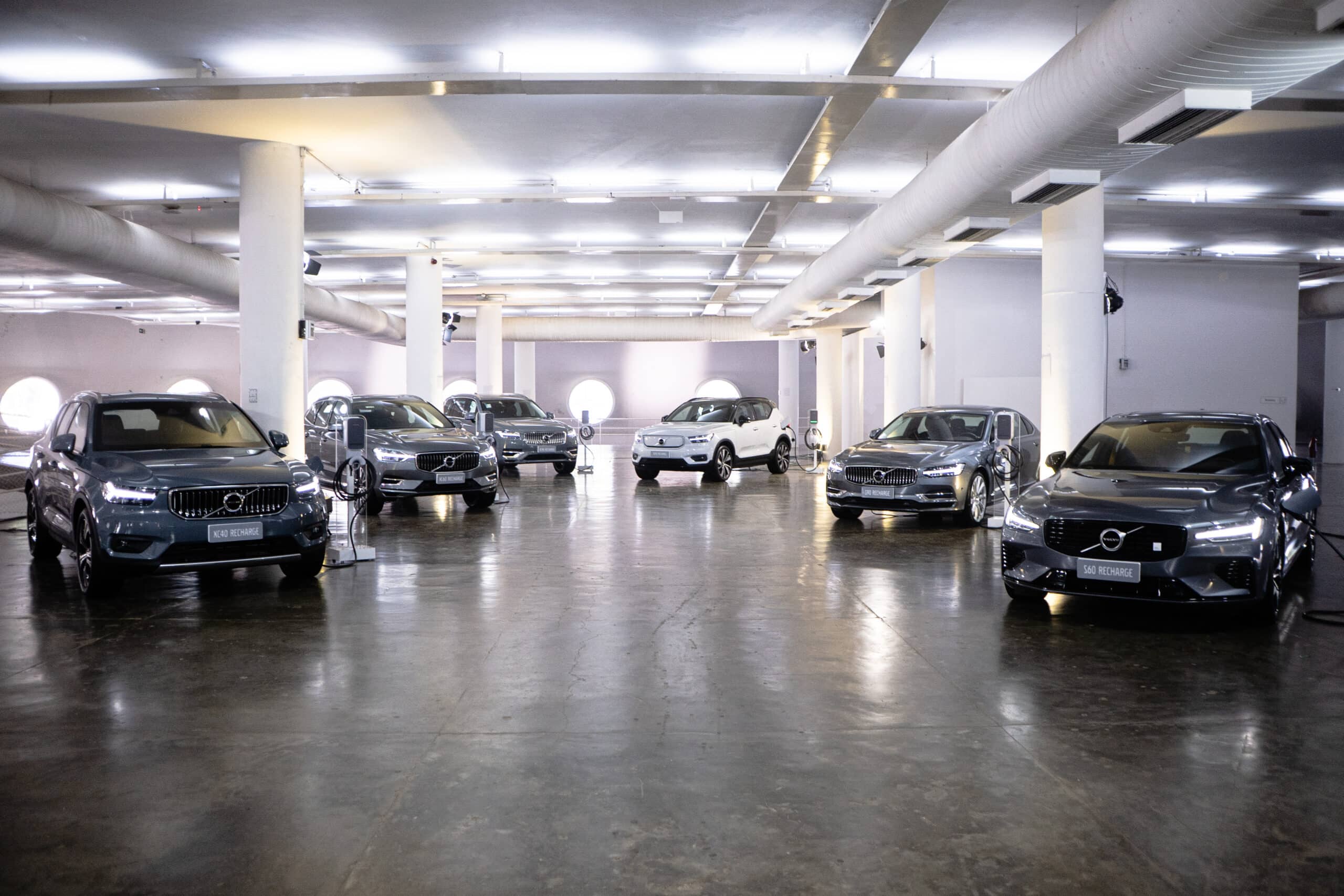
Volvo announced on Tuesday (18th) that it will no longer produce cars solely powered by gasoline or diesel in the country. The company aims to eliminate combustion engines by 2030. Although Brazil is far from being a model in the global electric vehicle market, Volvo has included the country in its transition to electric vehicles.
Read Also
Volvo Wants to Eliminate Combustion Engines Powered by Gasoline and Diesel
According to João Oliveira, General Director of Operations and Innovation at Volvo Car Brazil, the plan to eliminate combustion engines, both diesel and gasoline, has existed since 2016/2017. The company believes that the market will expand and electric vehicles will experience significant demand from Brazilian consumers.
With this decision, along with Norway, Brazil becomes one of the countries where Volvo has decided to eliminate 100% of combustion cars, both diesel and gasoline. Although the differences between Brazil and Norway, which is currently one of the leading countries in the electric vehicle market, are enormous, the automaker’s strategy is explained by the numbers.
-
1983 Chevrolet Runs Over 100,000 km Without Gasoline, Powered by Wood Chips, Reaches 125 km/h in Airport Test

-
Workshop Converts Giant Tractor Tire Tricycle into a Three-Wheel Drive Hybrid with 36,000-Watt Electric Motor Capable of Climbing Hills

-
Sales of Brazil’s Cheapest Electric Car Halted Before First Deliveries: E-Motors Suspends Emova Easy Due to Import Tax Increase and Rising Freight Costs

-
Nissan Discontinues Qashqai SUV Amid Cost-Cutting, Chinese Competition, and Product Line Review




Volvo’s Entry into the Electric Car Market in the Country
Shortly after considering eliminating vehicles with combustion engines, both gasoline and diesel, Volvo launched its first plug-in hybrid model in Brazil, the XC90, in 2018. The company gradually gained space in the electric vehicle market, until achieving a 40% share in the Brazilian electric market.
According to Luis Rezende, President of Volvo Car Brazil and Head of Latin America Hub, there is no turning back with this movement that Volvo is initiating in Brazil, with expansion throughout Latin America. The Swedish automaker in Uruguay will also stop producing combustion cars, both gasoline and diesel, later this year.
Automaker Already Has a Substitute for Conventional Car Models
As part of the strategy to eliminate combustion cars, Volvo has officially started the pre-sale of the XC40 Recharge Pure Electric model, a 100% electric version of the smallest SUV ever produced by the automaker. It arrived with a promotional price of about R$ 389,950, and the first units will be delivered in September to buyers.
The forecast is to sell 300 units initially, and to attract more buyers, those who secure the model in the pre-sale will receive a Wallbox-type charger, three years of free maintenance for the electric car, and a Google Nest smart speaker.