Portuguese
  Spanish


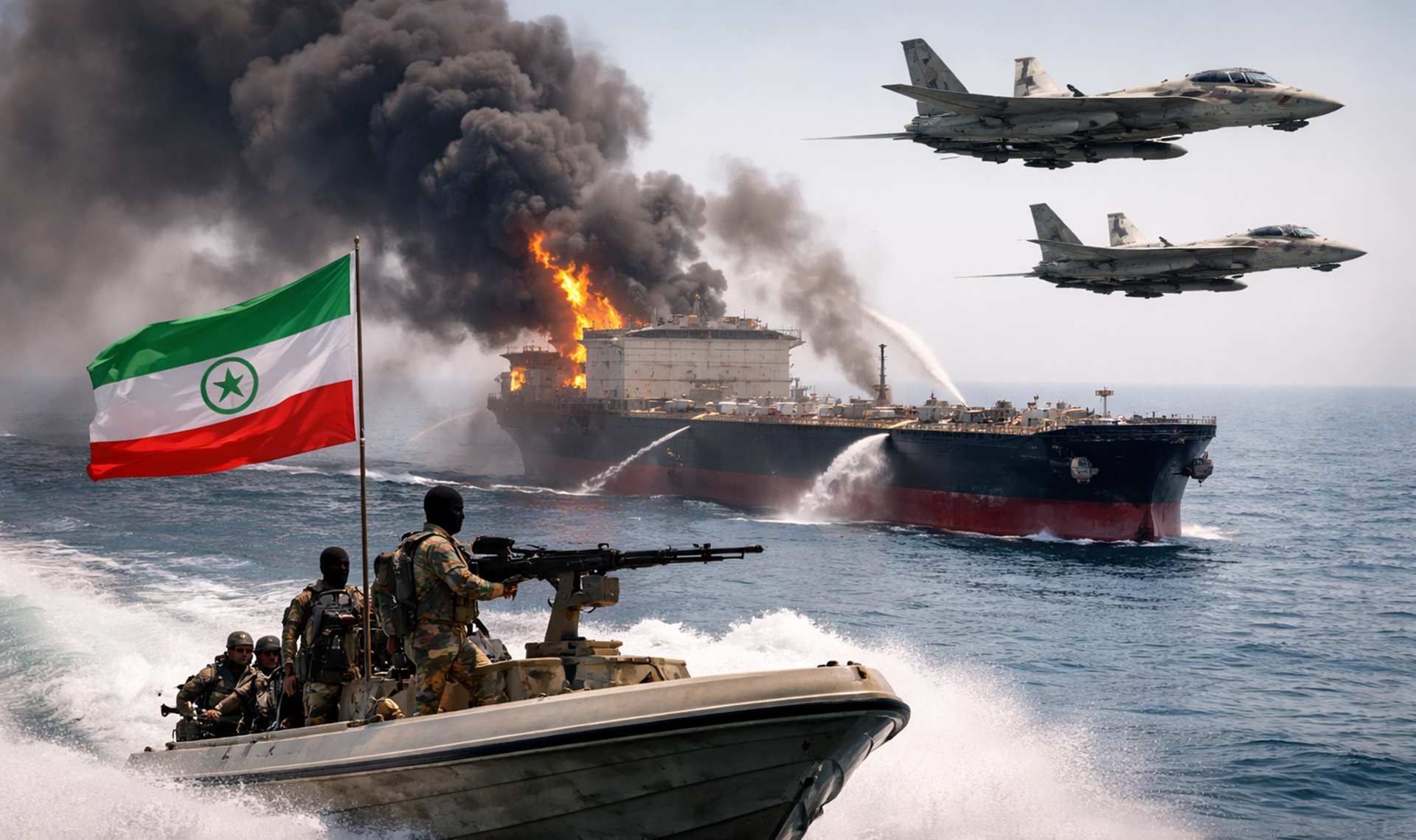

The war in Iran has gained strength again this Saturday after the Iranian Army announced strict control over the Strait of Hormuz, amid reports of firing against a tanker, reopening of six airports, and new developments in southern Lebanon
The war in Iran has taken a new turn this Saturday, the 18th, with the announcement that the Strait of Hormuz is back under “strict control” of Iranian forces, just hours after signs of détente had raised expectations for the reopening of the waterway. This move highlights the ongoing dispute in the region and comes as the conflict also continues to have repercussions in Lebanon and Iranian civil aviation.
War in Iran puts Strait of Hormuz back at the center of the crisis
The Iranian Armed Forces stated in a statement that the strait had “returned to its previous state,” conditioning this scenario on the end of the blockade of Iranian ports by the United States.
The new position was announced on the same day that Iranian authorities and President Donald Trump had raised hopes for a possible end to the war by announcing the reopening of the maritime passage.
-
European Parliament Approves Digital Euro, Aiming to Challenge Visa and Mastercard’s Dominance and Transform Payments Across Europe by 2029

-
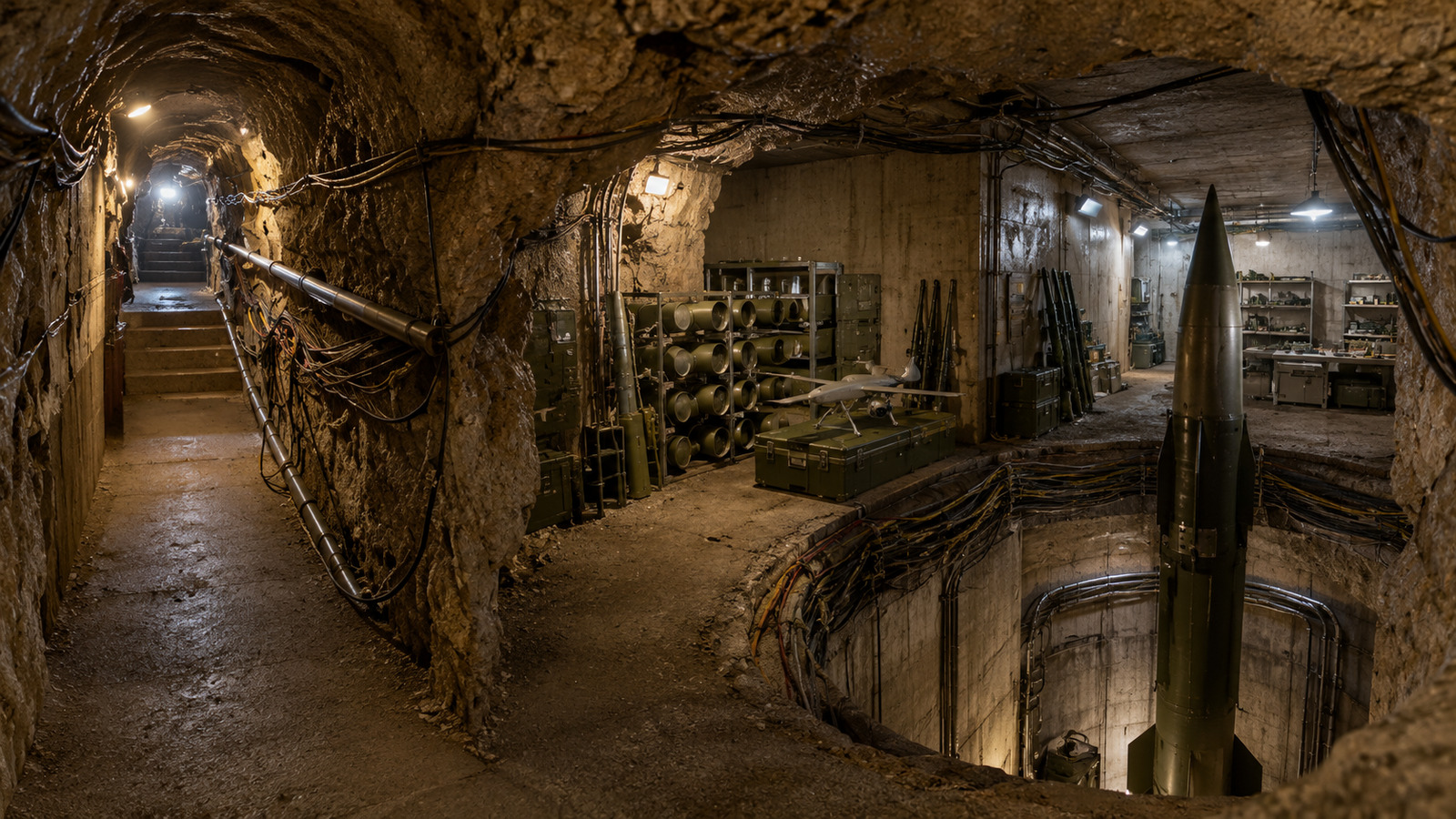
Israel finds Hezbollah militarized tunnel over 200 meters long under village, with 4 missile launch shafts, 12 chambers, anti-tank missiles, drones, and weapons depots at a depth of 25 meters.

-
Ukraine launches largest drone attack on Moscow since 2022, Russia claims to have intercepted nearly 200 aircraft near the capital, Kapotnya refinery targeted again, and offensive reignites alert about war reaching the Russian energy heart just a few kilometers from the Kremlin.

-
Truck drivers, freight, and fines from 2022 take center stage in politics: Chamber approves MP with amnesty, mandatory tracking by CIOT, million-dollar penalties, and new minimum wage for those who spend more than 24 hours on the road.



Still on Saturday, the UK MARTO organization, managed by the British Navy, reported receiving a report that vessels from the Iranian Revolutionary Guard fired upon a tanker in the Strait of Hormuz. The captain reported that the crew was safe, while TankerTrackers.Com stated that two vessels navigating the strait were forced to turn back.
Conflict in Lebanon increases pressure parallel to the war in Iran
In southern Lebanon, a UN peacekeeper was killed and three others were injured on Saturday after a UNIFIL patrol was attacked by “non-state actors.” Emmanuel Macron identified the deceased soldier as Florian Montorio, a French citizen, and pointed to the possibility of Hezbollah’s involvement, a group supported by Iran that Israel combats in Lebanese territory.
This incident adds to a series of attacks against the peacekeeping force during the war. Last month, three UN soldiers were killed in separate incidents, including one case preliminarily attributed to fire from an Israeli tank, while Lebanese President Joseph Aoun condemned the new attack and attributed the action to unidentified armed men.
Even after more than a day of ceasefire in Lebanon, Israeli forces claimed they continued to fire upon militants who approached their lines, alleging a violation of the truce. Israel also maintained artillery fire and demolitions, and Defense Minister Israel Katz promised to devastate large areas of southern Lebanon as part of an indefinite occupation.
Return of residents and reopening of airports mark Saturday
On Saturday, a large number of residents continued returning to southern Lebanon, more than a day after the ceasefire that halted Israeli airstrikes against Hezbollah. Near Sidon, south of Beirut, traffic heading south remained heavy as residents returned to assess the destruction in homes and villages.
The scene described in the mountainous interior of southern Lebanon is one of devastation spread across villages filled with war debris. Burned cars, destroyed shops, and apartments share space with residents cleaning up glass shards, repairing fallen electrical wires, and removing rubble from the roads with fire hoses.
In Iran, another significant development on this Saturday was the reopening of six airports and the preparation of airlines to resume domestic and international flights. The two main airports in Tehran and the terminals in Mashhad, Birjand, Gorgan, and Zahedan were reopened after the airspace closure caused by the start of joint airstrikes between the United States and Israel on February 28.
The Iranian Civil Aviation Organization had already reported early Saturday that part of the country’s airspace and some airports had been reopened. With the Strait of Hormuz again under strict Iranian control, the partial reactivation of the air structure occurs alongside an still unstable situation of war in Iran.
With info from NYtimes.