Portuguese
  Spanish


Comparison shows that Brazilian workers may spend about 113 hours to buy essential food, while in Portugal the estimate is close to 18 hours
A comparison made by O Antagonista drew attention. The basic food basket can require 113 hours of work from a Brazilian, while in Portugal the cited estimate is close to 18 hours, a comparison that exposes the difference in purchasing power for access to essential food.
Basic food basket becomes a measure of food’s weight in salary
This data is striking because it transforms the price of food into time spent. Instead of just showing market values, the comparison indicates how many hours of work are needed to buy basic items.
In Brazil, this burden is particularly evident among workers living on minimum wage. Meat, milk, coffee, rice, beans, and oil become central to the budget and compete for space with rent, transport, energy, and medicine.
-
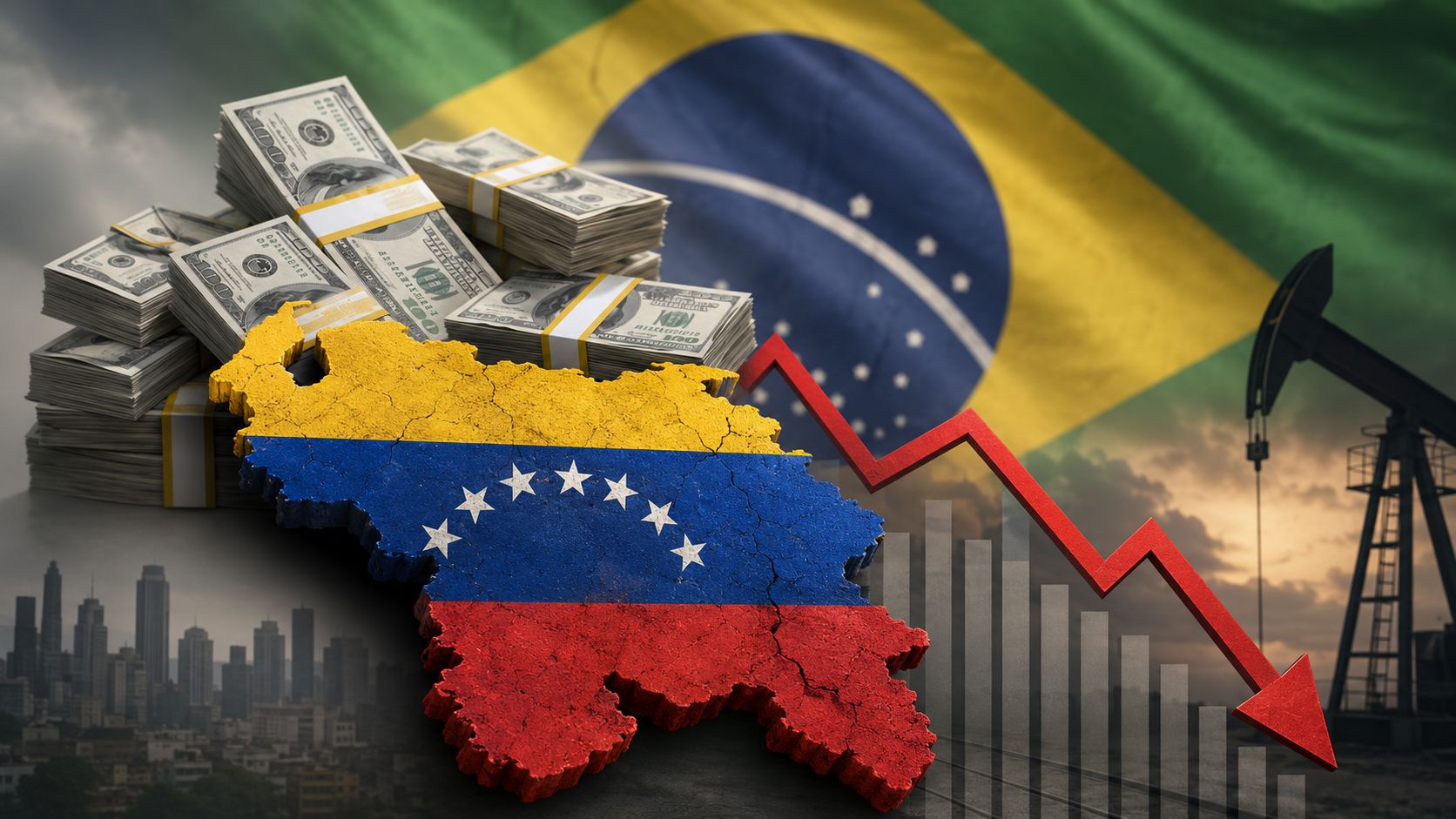
Brazil’s BNDES Funded Metro and Steel Plant Projects in Venezuela with Brazilian Support

-
Abandoned Building in Brazil to Become Biotechnology Unit with $10 Million Investment, Bridging Science, Industry, and Public Health
-
Company Offering “Stones to Diamonds” Scheme Sells Ruined Italian Homes to Brazilians for 1 Euro, Disappears with Promised Renovations, Leaving Buyers in Debt to Italian Tax Authorities Until 2028 Without Property

-
Plastic Packaging Drives Santa Catarina Industry to 230% Growth, Aiming for R$ 500 Million by 2030 Amid Sector Crisis, with New Gearless Line Expanding in Southern Brazil to Compete in South America



When the calculation is made in hours, the impact is more direct. Food no longer seems just a high expense but comes to represent many days of work dedicated solely to feeding the household.
Brazil and Portugal show a difference of more than six times
The comparison between Brazil and Portugal needs to be observed carefully, because the basket, salaries, and consumption habits are not identical. Still, the contrast helps to show how much each worker can buy with their income.
In Brazil, the cited estimate indicates about 113 hours of work to acquire the basic food basket. In Portugal, the presented calculation is close to 18 hours for essential food.
The difference is more than six times. In practical terms, food consumes a large part of the Brazilian income, while workers in Portugal would have relatively more leeway to buy basic items.
Purchasing power explains the contrast between countries
The difference does not depend only on the price of products in the supermarket. The central point is the relationship between cost of living, salary, and mandatory expenses, which determines how much is left after essential purchases.
A common mistake is to look only at currency conversion. What matters is how much each salary buys within its own country, considering net income, working hours, taxes, local prices, and the composition of the basket.
Even with its own challenges, such as expensive housing in large cities, Portugal appears in the comparison with basic foods weighing less on the budget of those receiving the Portuguese minimum wage.
Budget becomes tighter when food consumes the workday
When the basic food basket demands so many hours, less room is left for other commitments. Families’ financial margin becomes more fragile, because any increase in gas, transport, or energy can disrupt their accounts.
In practice, this burden appears in monthly choices. Many families swap well-known brands for cheaper versions, reduce meat, milk, fruits, or fresh items, and postpone bills to ensure food.
The search for promotions in more than one market also increases. Food, in this scenario, ceases to be just a regular purchase and begins to guide decisions about the entire household budget.
Comparison shows the economy in everyday life
Thiago Steffens shows, on his YouTube channel, this comparison of purchasing power between Portugal and Brazil in practice, using working time as a simple way to see the difference.
The basic food basket thus becomes a strong thermometer of the real economy. More than inflation in graphs, it shows whether the worker’s effort can turn into food on the table, dignity, and relief at the end of the month.
The contrast exposes a stark difference, even with inflation, expensive rent, and budget pressure in both countries. The central question is how much of one’s life needs to be given to ensure basic food.
With information from O Antagonista.