Portuguese
  Spanish


Itapoá, the municipality that grew the most in Santa Catarina with a population that jumped from 14.7 thousand to 34.5 thousand inhabitants, now receives Brazil’s largest beach widening project along 8 km of coastline with 4.1 million cubic meters of sand already deposited in a R$ 333 million project that reuses dredged sediments from Babitonga Bay.
While Balneário Camboriú, Florianópolis, and Bombinhas compete for spotlights and tourists, a municipality with 32 km of beaches on the North Coast of Santa Catarina has doubled its population in just over a decade and is building kilometers of new beach with sand removed from the ocean floor. Itapoá is the municipality that grew the most proportionally in the state according to the 2022 Census, and the transformation is not limited to the number of residents: the city is receiving Brazil’s largest sand strip widening project, a R$ 333 million work that has already reached about 70% of the dredging stage and almost 60% of the expansion along approximately 8 km of coastline. So far, more than 4.1 million cubic meters of sediments have been deposited on the beach, and part of the area is already open to bathers while remaining sections continue with restricted access during operations.
The project is considered pioneering in the country because it reuses sand removed from the bottom of the access channel to the port complex to widen the municipality’s beach strip. The dredging of Babitonga Bay, carried out through a public-private partnership between the Port of São Francisco do Sul and Porto Itapoá, will move 12 million cubic meters of sediments, of which almost half will be allocated to Itapoá’s coastline. In addition to creating wider beaches for the fastest-growing municipality in the state, the operation deepens the port access channel from 14 to 16 meters, a change that will allow the entry of larger ships and should increase the logistical competitiveness of the entire region.
Why this municipality doubled its population while neighboring cities grew at a normal pace

Itapoá’s growth did not happen by chance. The municipality jumped from 14.7 thousand inhabitants in 2010 to 34.5 thousand in the most recent estimate, an increase that more than doubled the population and is associated with structural factors such as the installation of a new port, the paving of the Garuva bypass which improved road access to the city, and the increase in construction sector ventures that attracted workers and investors. The combination of port infrastructure that generates jobs and natural beauty that attracts residents seeking quality of life created a growth cycle that few Santa Catarina cities have replicated with the same intensity.
-
From Collecting Trash in Brazil to Becoming a Doctor: Cícero’s Journey with a Full Scholarship

-
Henry Ford’s Abandoned Amazon Town Faces Daily Fines as Brazil Seeks to Preserve Fordlândia Ruins

-
Brazilian Scientist Wins $100,000 for Decoding Bird Songs That Convey Identity and Social Information
-
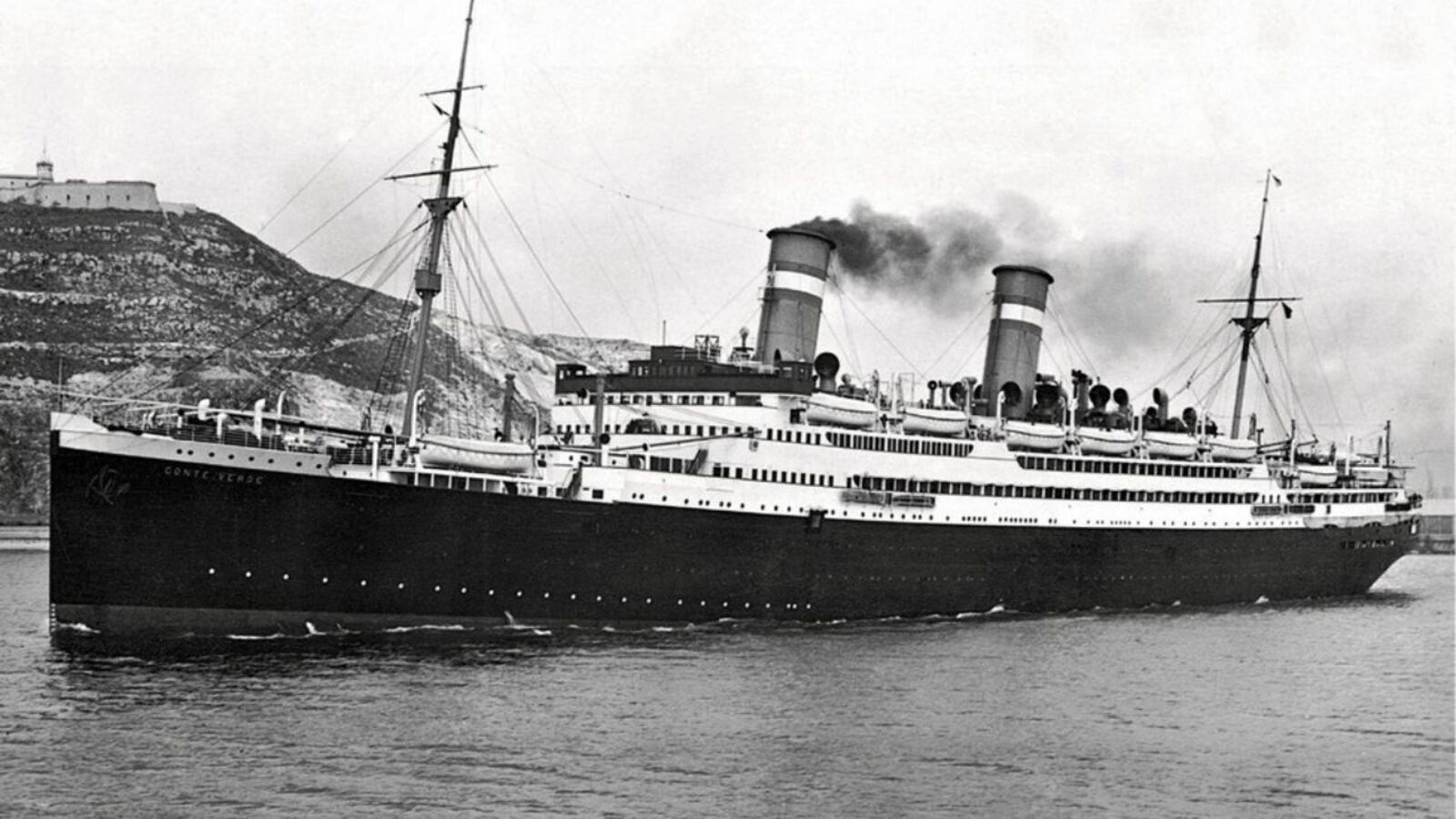
Brazilian National Team Traveled by Ship to First World Cup, Boarding Conte Verde to Reach Uruguay




The tourism classification reinforces the municipality’s rising profile. Itapoá was officially classified as category A on the Brazilian Tourism Map, the highest seal of excellence that considers infrastructure, number of visitors, job creation in the sector, tax collection, and tourism planning. This recognition places the municipality in the same category as consolidated destinations like Florianópolis and Balneário Camboriú, a validation that for a city many Brazilians don’t even know represents a leap in visibility capable of further accelerating growth in the coming years.
How Brazil’s largest beach widening project works in this municipality

The project transforming Itapoá’s coastline uses sand that would otherwise be discarded elsewhere. The dredge Galileo Galilei removes sediments from the bottom of Babitonga Bay to deepen the access channel to the port complex, and instead of discarding this material in the ocean or in disposal areas, the project directs almost half of the 12 million cubic meters to the municipality’s beach strip, a solution that solves two problems at once: it deepens the channel for larger ships and expands the sand for bathers. The R$ 333 million investment is funded by the public-private partnership between the Port of São Francisco do Sul and Porto Itapoá.
The progress of the work is already visible in the municipality’s landscape. With 70% of the dredging completed and almost 60% of the widening carried out, stretches of the waterfront that previously had a narrow strip of sand now display an extension that competes with the widest beaches in Southern Brazil. The 4.1 million cubic meters already deposited have transformed the experience of beachgoers: there is more space for chairs, umbrellas, and sports activities, and the trend is for the strip to continue growing as the rest of the material is deposited in the following months.
The beaches that make this municipality a destination few know

Itapoá’s 32 km of coastline offer a diversity that surprises first-time visitors to the municipality. At Barra do Saí, the rougher sea attracts surfers and fishermen who find consistent waves and fish that strike lures cast from the sand, a combination that gives the beach a different identity from its calmer neighbors. In Itapema do Norte, three rock formations emerging from the sea create one of the most photographed scenes in the city, and its proximity to Itapeva Island and the municipality’s main commercial center concentrates bars and snack bars that serve both residents and tourists.
Itapoá’s city center holds the beach that gives the municipality its name and the history behind it. The stone that inspired the name comes from Tupi-Guarani: “Ita” means stone and “Poá” means point, a reference to the rocky formation that marks the local landscape. At Pontal da Figueira, calmer waters bathed by the channel connecting the region’s ports offer a setting where it’s possible to observe ships crossing Babitonga Bay, an experience that blends natural contemplation with the port reality that drives the municipality’s economy.
What beach widening changes for the municipality’s tourism future
The expansion of the sand strip will redefine Itapoá’s capacity as a summer destination. A wider beach accommodates more visitors without the feeling of overcrowding that narrow beaches convey on peak days, and for a municipality seeking to consolidate its position in the elite of Santa Catarina tourism, having an expanded coastline along 8 km is a competitive advantage that Balneário Camboriú had to spend hundreds of millions to artificially achieve, and which Itapoá is obtaining as a byproduct of a port operation. The difference is that in Itapoá, the widening covers a much greater extent: 8 km against approximately 5 km of Balneário’s central beach.
For the municipality, the challenge now is to ensure that population and tourism growth is accompanied by adequate infrastructure. Doubling its population in a decade requires an expansion of sanitation, health, education, and transport that does not always keep pace with demographic numbers, and the municipality needs to invest in these sectors so that growth does not turn into urban problems that drive away the very residents and tourists that the wide beach and natural beauties attract. Itapoá has the ingredients to become one of the most relevant destinations on Santa Catarina’s North Coast, but transforming potential into sustainable reality requires management that goes beyond new sand on the beach.
And you, did you already know Itapoá? Did you know that the city is building 8 km of new beach with sand from the ocean floor? Leave your opinion in the comments.