






 Portuguese
  Spanish


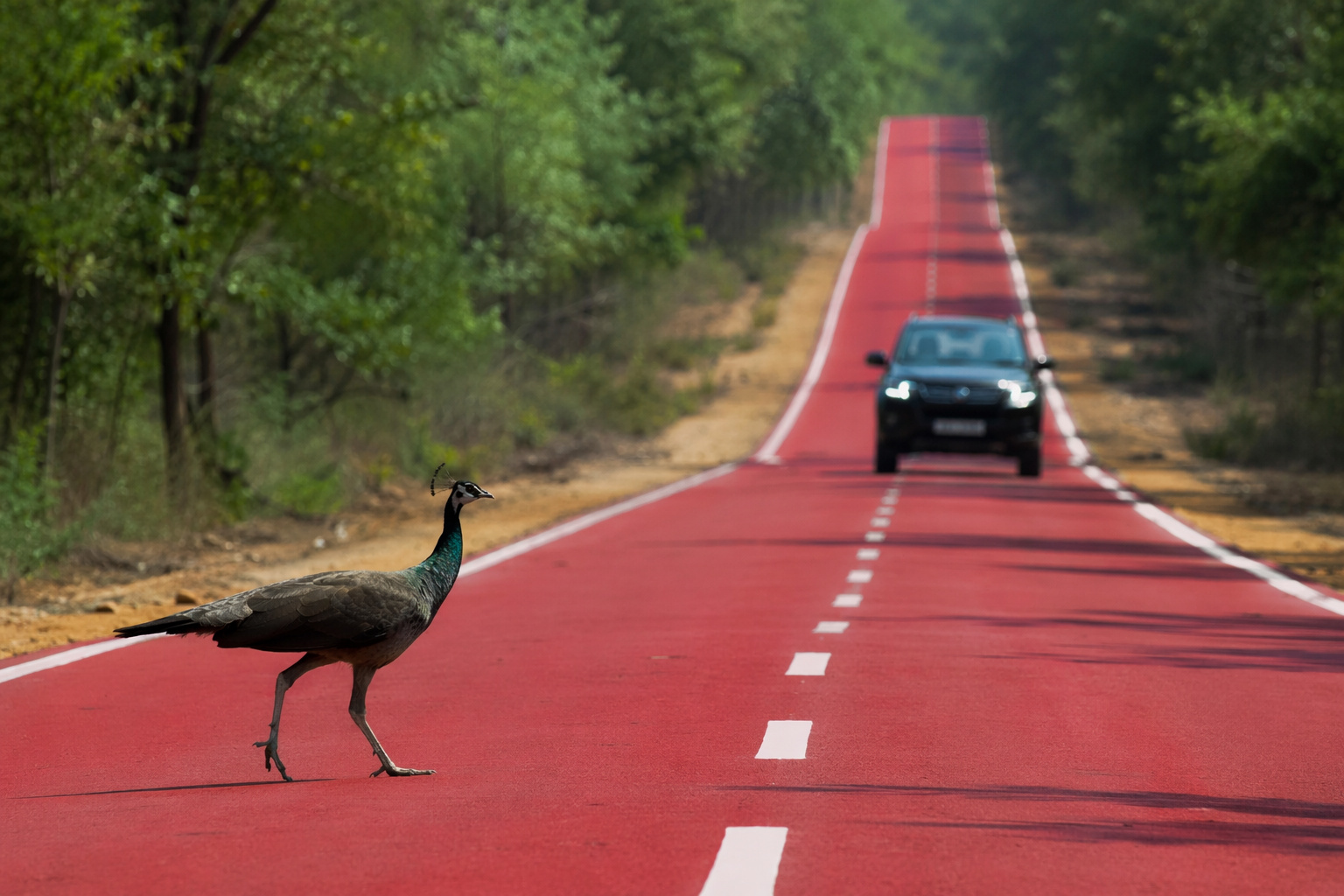


Technology with colored pavement and special texture induces drivers to slow down and improves the coexistence between highways and biodiversity
India began, in 2024, the implementation of its first red road with smart asphalt, aimed at protecting wildlife in critical animal crossing areas.
Thus, the initiative bets on an innovative solution that dispenses with fences and radars, while inducing speed reduction in an almost imperceptible way.
Additionally, the project uses a combination of intense color and paving engineering, prioritizing road safety and environmental preservation on highways that cross regions of high biodiversity.
-
Brazil Hosts the World’s Largest Continuous Mangrove Belt, Acting as a Natural Shield Against Erosion and Extreme Weather

-
Brazilian Government Offers Free New ID Cards Without Appointment for Four Days, Including Night and Saturday Services for Citizens Aged 14 and Up.
-
Brazil’s Longest Train Journey Resumes: 664 km Overnight Trip Connecting Two States, 13-Hour Duration, Tickets at $17, Ends Near Beaches
-
Brastemp Unveils Revolutionary Appliance That Cleans Clothes and Phones, Uses Soap Monthly, Smooths Wrinkles, and Eliminates 100% of Dust Mites and 99.9% of Bacteria


In this way, the proposal consolidates itself as a new model of sustainable mobility.
Color change in asphalt alters driver behavior
Initially, the adoption of red asphalt breaks with the visual standard of conventional roads.
Consequently, this change generates an immediate impact on the driver’s perception, who begins to drive with greater attention.
Moreover, the color red is subconsciously associated with the need for caution.
Thus, the driver reduces speed without the need for physical interventions.
Among the main psychological effects observed, the following stand out:
- Increased cognitive vigilance in response to the visual change
- Association of the color red with risk and speed reduction
- Better contrast between the road and surrounding vegetation
Therefore, the highway becomes safer in a natural and intuitive way.

Pavement texture improves grip and stability
In addition to the visual impact, the technology involves advanced coating engineering.
In this sense, the asphalt features controlled roughness, increasing the friction between tires and ground.
Thus, the braking system responds more efficiently, especially in critical situations.
Moreover, the use of special polymers ensures greater stability, even on wet tracks or sharp curves.
Consequently, the risk of skidding, collisions, and leaving the road is reduced.
In this way, the vehicle’s safety is enhanced without compromising traffic flow.
Infrastructure brings operational and logistical gains
At the same time, investment in technological paving increases the durability of the road.
Thus, the need for corrective maintenance is reduced.
Additionally, resistance to chemical and mechanical wear preserves the integrity of the road for a longer time.
Among the main operational benefits, the following stand out:
- Reduction of mechanical damage caused by sudden braking
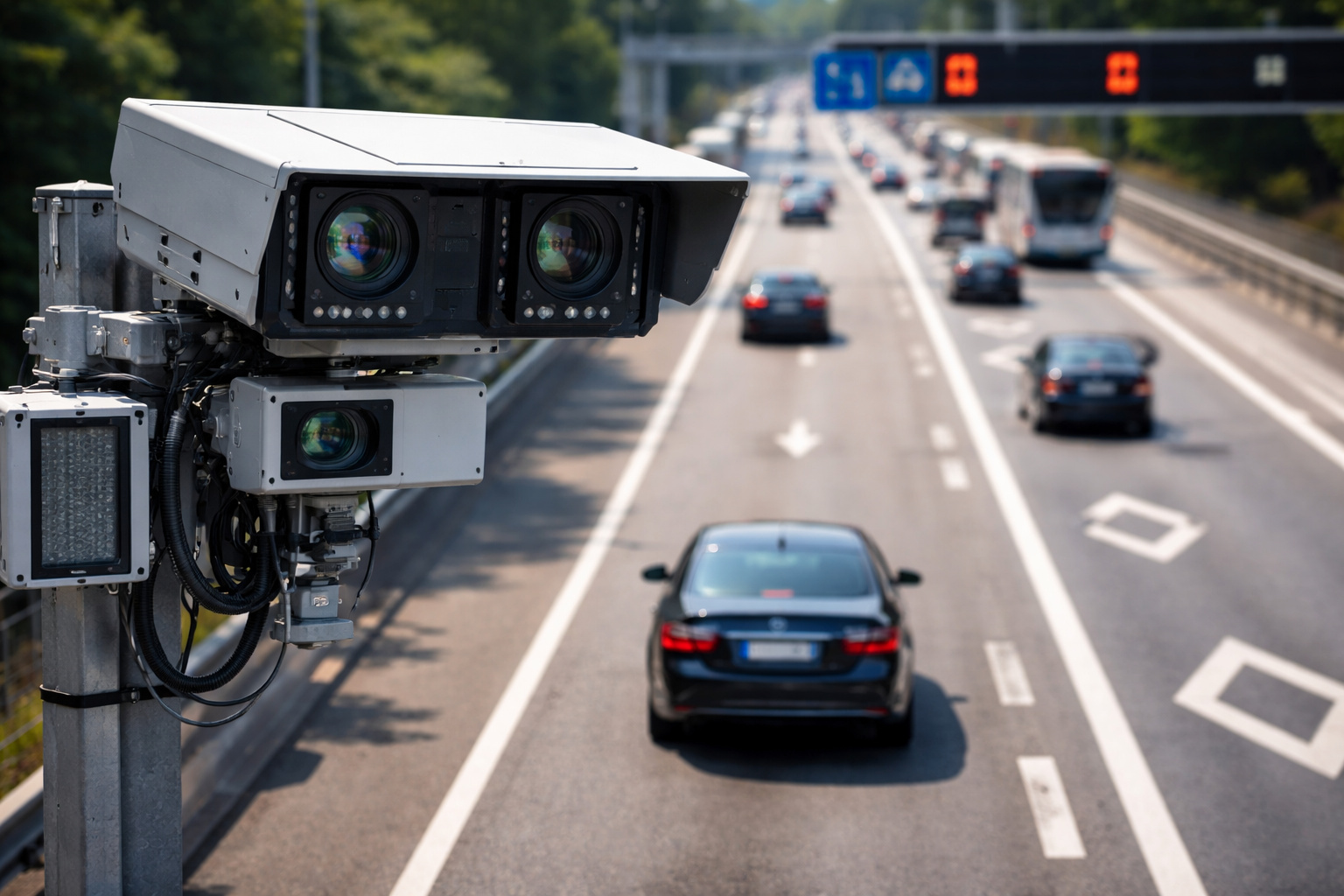
- Less dependence on radars and traditional signaling
- Enhancement of the route as a reference in sustainability
Therefore, the solution positively impacts both transportation and logistical efficiency.
Red road reduces accidents and protects biodiversity
On the other hand, the main objective of the initiative is to protect local wildlife.
Thus, by decreasing the average speed of vehicles, the road allows animals to cross with less risk.
Additionally, the absence of aggressive speed bumps maintains continuous flow, avoiding negative impacts on traffic.
Consequently, a balance is created between mobility and environmental preservation.
In this way, the Indian model becomes a reference for other countries facing similar challenges.
Thus, the combination of visual innovation, engineering, and sustainability shows that it is possible to transform highways into safer spaces for everyone.
In light of this scenario, could this solution become a global standard to protect wildlife on the roads?


