Portuguese
  Spanish


Excavations reveal historical layers beneath Greek city and transform public transport into an archaeological showcase integrated into urban daily life, after decades of works marked by discoveries that changed the original project and increased costs and deadlines.
After decades of intense excavations, the first line of the Thessaloniki Metro, in northern Greece, began operating, revealing not only a new urban mobility alternative but also one of the largest archaeological interventions ever carried out in a densely populated area.
As tunnels advanced beneath a city occupied for about 2,300 years, the works brought to the surface more than 300,000 artifacts, in addition to ancient structures that became part of the station spaces themselves and the daily lives of passengers.
Officially inaugurated on November 30, 2024, the system has 9.6 kilometers of extension and 13 underground stations, combining automated operation technology with the visible preservation of historical remains distributed along the route.
-
Xiaomi 18 Pro and 18 Pro Max May Debut with Snapdragon 8 Elite Gen 6 Pro, Featuring Dual 200 MP Cameras and 8,500 mAh Battery, Ahead of Competitors

-
ispace Pays SpaceX $50 Million to Hitch a Ride on Starship, Aiming for a Shared Commercial Route to the Moon by 2030

-
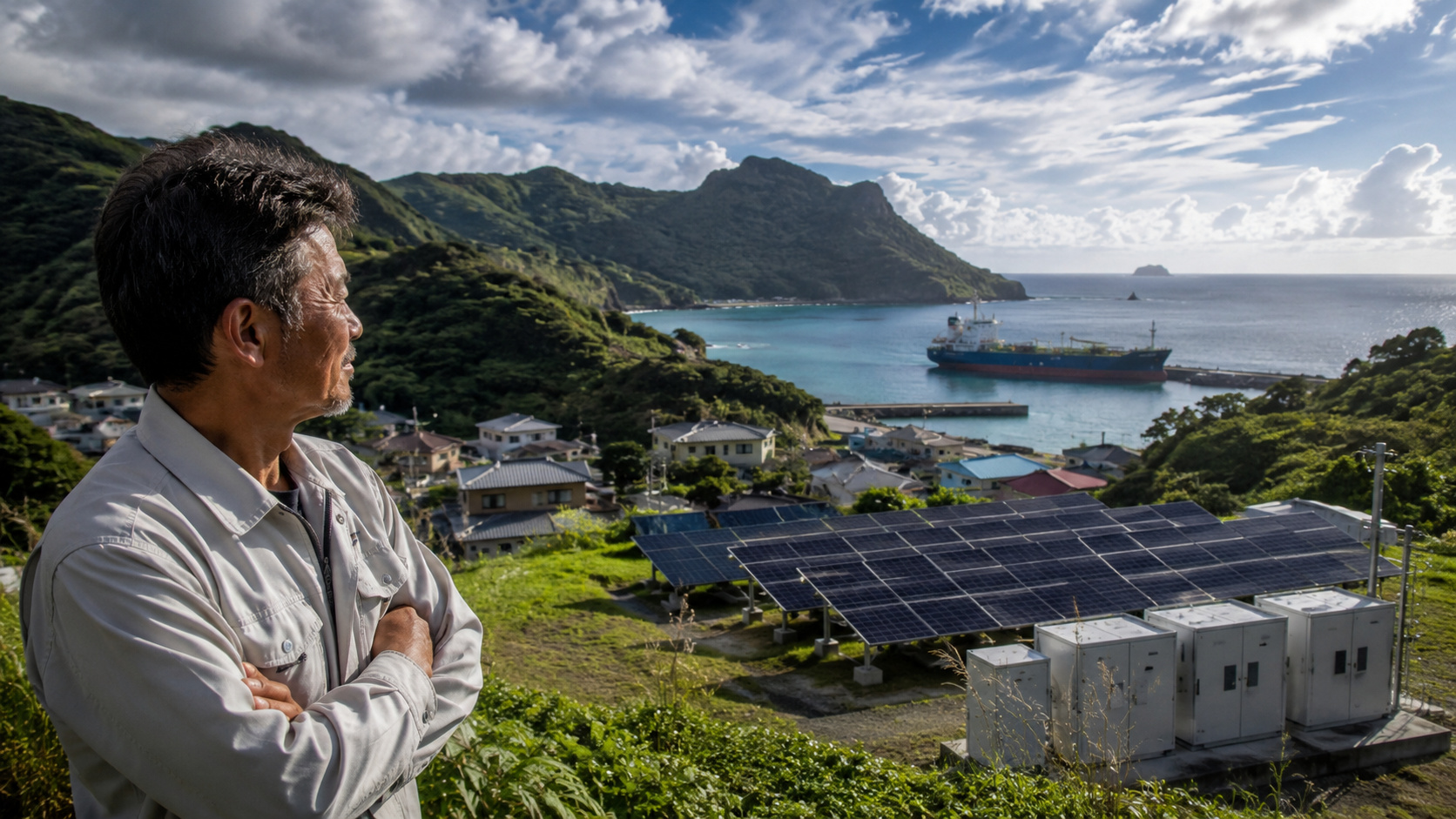
Solar-Powered Cell Tower to Connect 10,000 Residents on Remote Brazilian Island, Reducing Diesel Dependence
-
Snowman-shaped asteroid captured by Hayabusa2 probe during flyby just 10 km away


Although it uses driverless trains and platform doors, the most striking aspect of the metro is the direct coexistence between modern infrastructure and archaeological elements preserved under urban areas of intense flow in the Greek city.
Archaeological finds alter metro project

During the excavations, ancient streets, funerary areas, water and drainage systems emerged, as well as mosaics, inscriptions, and objects reflecting different periods of the region’s historical occupation over the centuries.
While some of the materials were carefully removed, cataloged, and stored, structures considered essential for understanding the local past remained on site and were incorporated into the architectural design of the stations.
One of the most emblematic examples appears at Venizelou station, where passengers cross an exhibition area that preserves sections of an ancient marble-paved road, visible during daily commutes.
As a result, the boarding area ceased to be merely functional and also began to act as a permanent archaeological showcase, integrating historical heritage into daily flow without the need for isolated areas or traditional museums.
Given the complexity of the findings, engineering and archaeology teams had to revise entire stages of the work to ensure the proper preservation of the structures identified during the excavations.
To enable this adaptation, the tunnels were built at greater depths than initially planned, which resulted in increased costs, extended deadlines, and greater technical complexity in the project’s progress.

Route follows ancient commercial routes of the city
Historically strategic due to its port location, Thessaloniki was, over the centuries, a point of circulation for merchants, diverse populations, and different political administrations that left their marks on the urban subsoil.
By crossing central areas of the city, the metro’s route coincided with ancient commercial routes, where successive layers of occupation accumulated and remained preserved beneath contemporary urbanization.
This factor helps explain not only the expressive quantity of finds but also the diversity of structures and objects that emerged during the excavations carried out throughout the works.
Instead of revealing isolated elements, the intervention ended up exposing entire fragments of an ancient city, including evidence of circulation, trade, burial, and urban systems that remained intact for centuries.
Situations like this demonstrate how major works in historic centers require technical decisions that reconcile urban development with the preservation of existing cultural heritage.
In the Greek case, the adopted solution prioritized the integration of the remains into the station environment, transforming transit spaces into places for continuous observation of local history.
Billion-dollar costs and delays marked construction

More consistently initiated in the early 2000s, the project faced a series of delays caused by technical challenges, financial limitations, and successive archaeological discoveries along the excavated route.
According to Greek authorities cited by the Associated Press, the total cost of the first line, plus a large part of the ongoing expansion, reached approximately 3 billion euros, reflecting the complexity of the undertaking.
As an additional phase, the extension to Kalamaria foresees five new stations distributed along approximately 4.78 kilometers, expanding the system’s coverage towards other areas of the city.
According to official information, this new phase is expected to become operational in 2026, after the completion of technical tests and necessary adjustments for the line’s full operation.
Even after years of waiting, the metro has come to be recognized not only as a transport solution but also as an example of integration between contemporary infrastructure and historical preservation in an urban environment.
For those who use the system daily, the commute includes direct contact with ruins, inscriptions, and ancient pavements, revealing layers of Thessaloniki’s history incorporated into the city’s daily landscape.