Portuguese
  Spanish


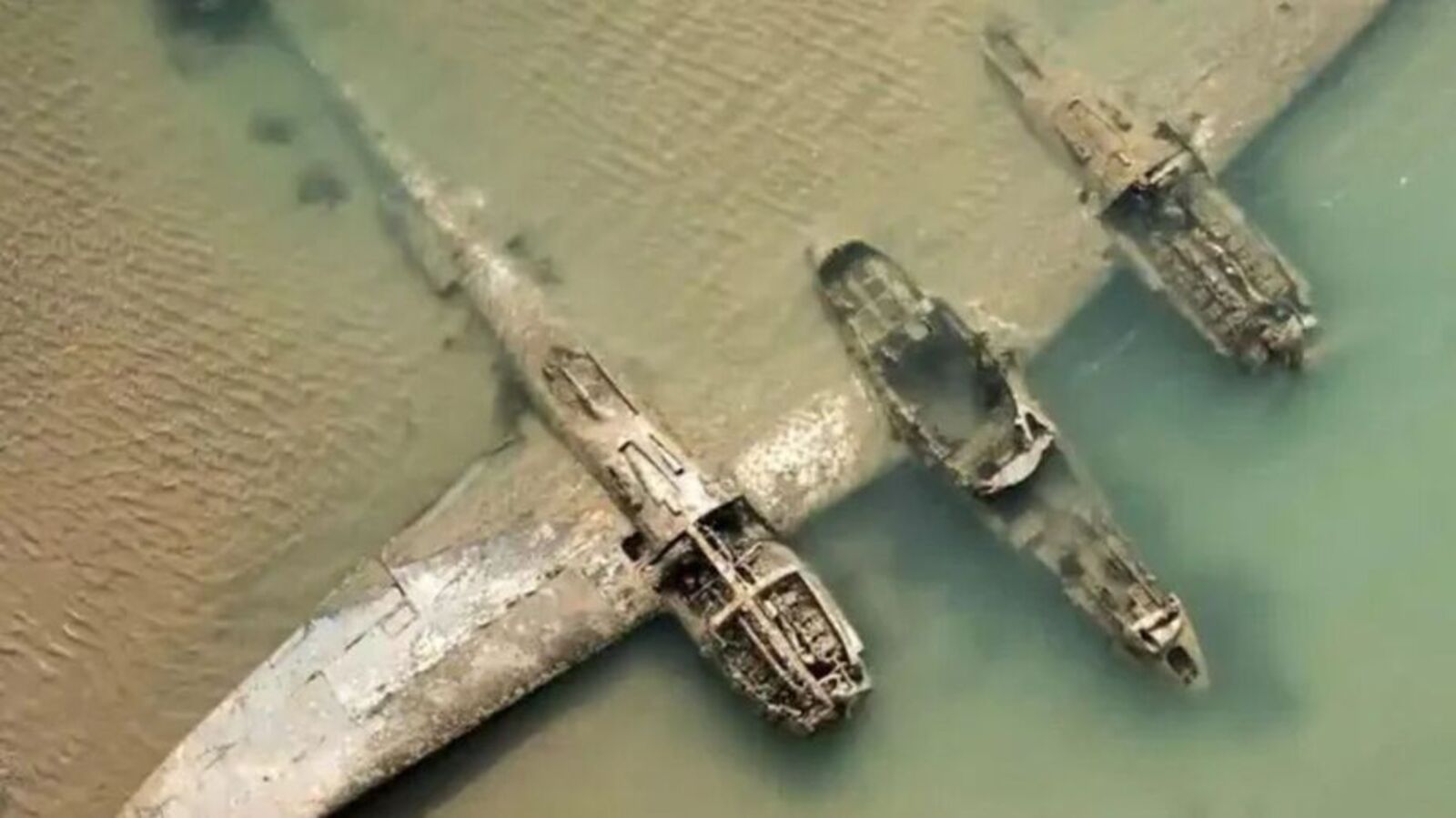

Wreckage of the P-38 Lightning fighter occasionally appears on Harlech beach in Wales and keeps the air memory of World War II alive
The wreckage of the Lockheed P-38 Lightning, an American World War II aircraft, attracts locals and tourists on the coast of Wales, near Harlech, where it appears when the sea recedes and reinforces the memory of the conflict.
Appearance on the beach
Known as Maid of Harlech, the fighter occasionally appears on the town’s beach. The site has become a point of interest for visitors drawn by the story of the aircraft and World War II.
The remains of the aircraft were first seen in the 1970s. They reappeared in 2007 and 2014 when the sea allowed part of the structure to emerge from the sand.
-
Brazilian Airport to Receive $2.8 Million Investment, Completion Expected Within a Year

-
UN Warns of AI’s Environmental Impact and Calls for Greater Corporate Transparency

-
Former Atacadão Employee Turns Online Cake-Baking Lessons into a Confectionery Brand with Factory, Store, Delivery, and Nearly $400,000 in Revenue
-
Brazilian Startup Sells Nearly 9 Million Surprise Bags of Near-Expiry Food, Prevents Thousands of Tons of Waste, Aiming for $42 Million Revenue by 2026




Preservation decision
The authorities decided not to remove or restore the wreckage. Due to the historical significance of the aircraft, the area has been maintained as a historical monument related to World War II in Wales.
In 2016, a nephew of the pilot visited the beach and approved the decision. For historians, keeping the aircraft preserved helps to remember the region’s role during the war.
The emergency landing
The aircraft crashed in September 1942 after Second Lieutenant Robert F. Elliott, 24, had to make an emergency landing. He survived the accident but was considered missing in action.
Historian Matt Rimmer states that places like this help tell the story of air warfare and Wales’ involvement in the conflict.
Limited visibility
The wreckage is about two meters deep and can only be seen when the sea and weather cooperate. Photos of the aircraft on the sand have caught the public’s attention and reinforced interest.
The P-38 Lightning was used on different fronts and left traces in various countries. In Greenland, planes of the same model made forced landings in 1942 after a snowstorm. One of them, Glacier Girl, was recovered from the ice decades later.
With information from Diário do Litoral.