





 Portuguese
  English
  Spanish
  3 min of reading


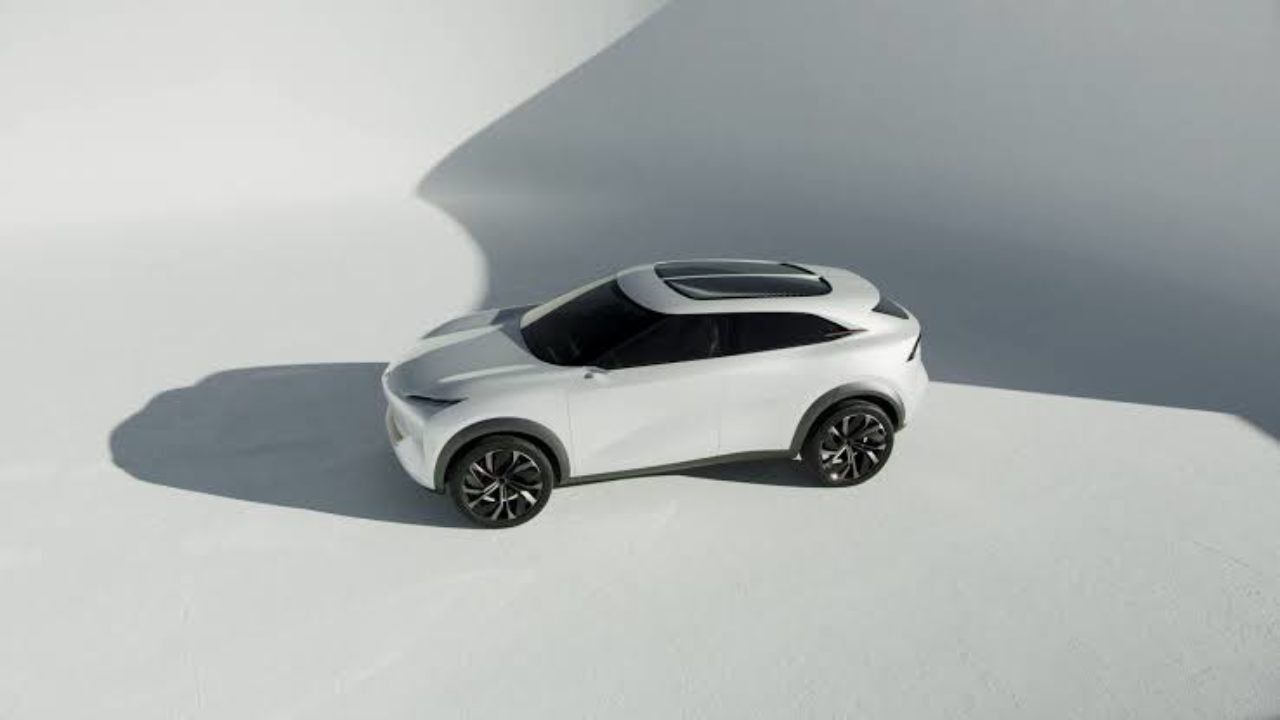
Xiaomi Looks to Invest in Startups that Manufacture Electric Cars. A giant in the electronics industry, Xiaomi has become well-known in China for supporting various startups. Today, the company wants to expand its portfolio, supporting various sectors, including the production of electric cars.
In this regard, the company is backing CCC (China Car Custom), which has unveiled a completely electric sports car, the SC01. The two-door car is equipped with two electric motors capable of generating the equivalent of 429 horsepower. Additionally, the car accelerates from 0 to 100 km/h in just 3.9 seconds. Another positive aspect of the vehicle is its low weight – 1,300 kg – which should contribute to good performance on the tracks.
The SC01 model, measuring 4.08 meters in length, is reminiscent of one of the concept cars from the Italian automaker Lancia, introduced in 2010, the Stratos, which measured 4.18 meters in length and weighed about 1,270 kilograms. Despite the innovative idea, the project did not take off, and consequently, the car was not launched. Apart from performance factors, the design and the price of US$ are also attractive features of the SC01. According to CCC, the EV is already on pre-sale, requiring a reservation fee of just US$28 to secure a spot in the waiting list.
Xiaomi Seeks Investments in the Electric Car Sector
Although it is a new player in the market, it is expected that Xiaomi will be a reference in terms of support to attract buyers and new investments. Despite the investments in the SC01 and other electric cars, it is still unknown whether the model will be exported to other countries besides China. Thus, the involvement of the smartphone manufacturer with the automaker is not surprising. This is because Xiaomi is considering launching its own line of electric cars by 2024.
-
China has put millions of electric cars on the roads and now recycles up to 99.6% of used batteries, recovering lithium, nickel, and cobalt at levels that surpass Europe and the United States.

-
Chinese SUV priced at R$ 432,000 arrives in Brazil and challenges traditional models: GWM Wey 07 Dark Edition has 512 hp, over 5 meters, goes from 0 to 100 in 4.9 seconds, and aims to surpass SW4 in technology.

-
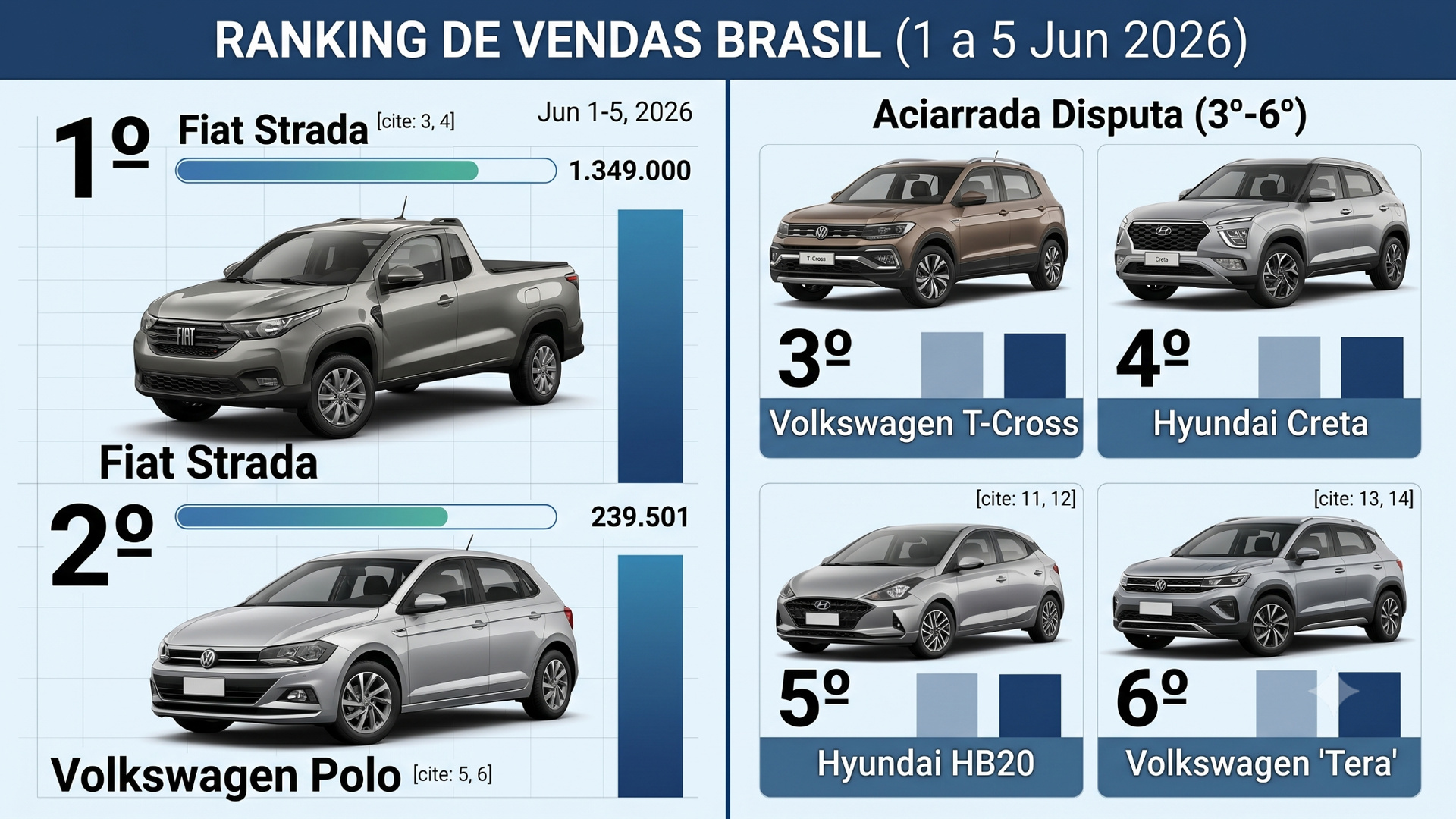
Currently best-selling cars in Brazil in June 2026: Fiat Strada leads the way, Volkswagen Polo catches up, and SUVs like T-Cross, Creta, HB20, and Tera intensify the competition in the national ranking.

-
Mitsubishi surprises the Brazilian market with cuts of up to R$ 55,000, expands bonuses for trade-ins, and pressures rivals in SUVs and pickups.



Electric Cars Experience Exponential Growth Worldwide
In the first half of 2022, electric car sales grew 63% worldwide compared to the same period in 2021, with 4.3 million units sold. The study conducted by BloombergNEF (BNEF) indicated that China and Europe are market leaders, accounting for 84% of vehicles sold in the first half of the year. The research also shows that electric cars represent 13% of passenger vehicle sales in the first six months of the year, or 9%, when plug-in hybrids are excluded. This figure is the same as in the fourth quarter of 2021; however, it is still higher than the total recorded last year.
Today, the global fleet of electric cars for passengers grows on average by 59% per year since 2015. As of June this year, it totaled 21 million vehicles in circulation. Currently, almost half of this number is in China, at 47%, followed by Europe at 32%. Finally, BNEF estimates that 1.7% of cars on the streets and roads worldwide are electric, marking an increase compared to the percentage recorded at the end of 2021, which was 1.3%.





Be the first to react!