Portuguese
  Spanish


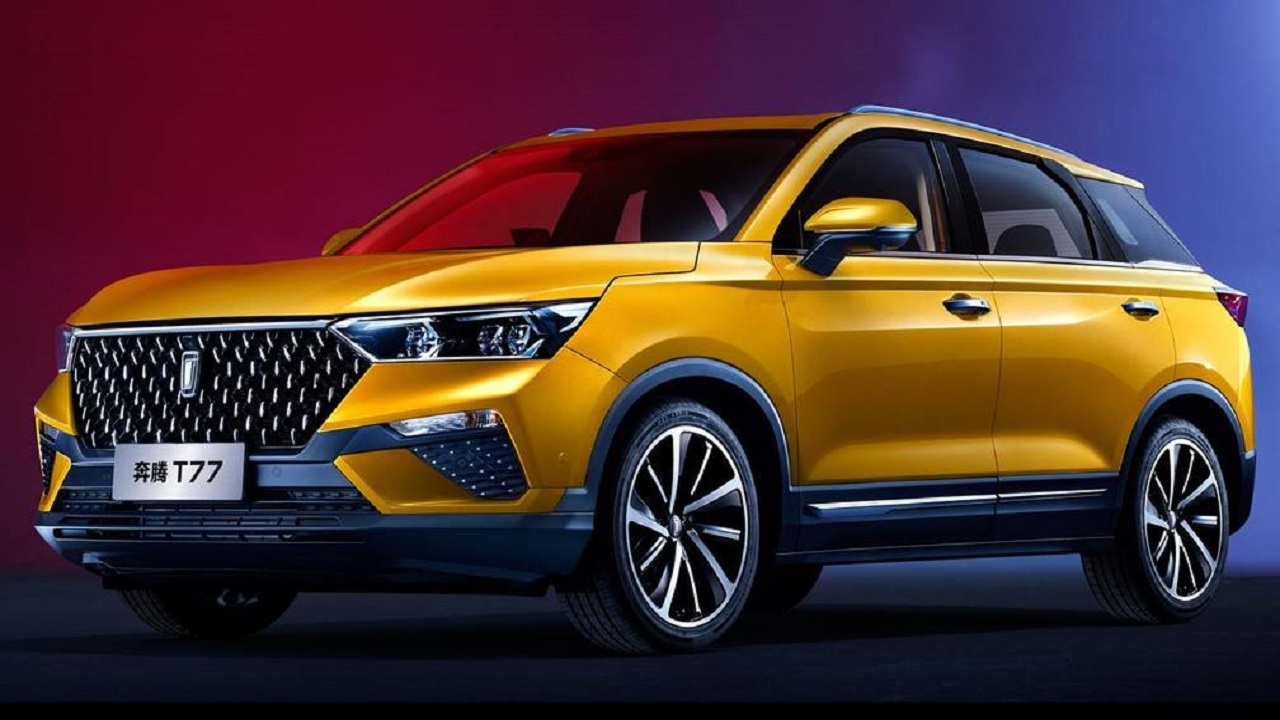

After Many Insinuations, The Chinese Company Famous for Its Smartphones, Xiaomi, Will Enter The Electric Car Market With Its New Division, Called Xiaomi EV, Which Promises To Produce Models With High-Performance Batteries
The brand famous for creating various smartphones, gadgets, and other technological devices, Xiaomi, has officially registered its division marking its entry into the electric car market. According to the founders, the brand is already in a significant stage of development, adding more than 300 employees. The Chinese company, now with an electric vehicle sector, promises to develop vehicles with high-performance batteries.
Read Also
Xiaomi Registers Brands Related To The Automotive Industry
In May, Xiaomi applied for the registration of brands related to electric cars and made new investments in contracts with software engineers for vehicles. The registered brands are: Xiaomi Motors, MiMotors, Xiaomi Auto, and MiAuto. Xiaomi’s brands were registered in the categories of advertising sales, transportation, and storage. At the time, it became clear the intentions of the Chinese company, which were to enter the electric car sector.
The expectation of many is that the batteries of the new electric cars will carry a good reputation just like the batteries of its smartphones. The new electric vehicle company did not receive any of the previously registered names and will be called Xiaomi EV, Inc. Its registered capital is US$ 1.55 billion (R$ 8 billion in direct conversion).
-
End of an era in Brazil: beloved sedan by Brazilians is discontinued despite having a 2.0 engine with 151 hp, CVT transmission, 466-liter trunk, and up to 650 km of range.

-
New Law Proposal in Brazil Could Heavily Penalize Drivers: Dangerous Overtaking May Become a Serious Offense with Fines Increased Tenfold and a 12-Month License Suspension; Update on 2026 Progress

-
Electric Revolution: Watts W125 Motorcycle Offers 160 km Range, 90 km/h Speed, and Affordable Price Starting at $3,000
-
General Motors Replaces Over a Thousand Workers with 50 Cobots at Electric Vehicle Plant, UAW Union Criticizes Move Amid Industry’s Automation Push



In March, the Chinese company announced its intention to invest US$ 10 billion (Over R$ 50 billion in direct conversion) in electric car production over the next 10 years.
Xiaomi Invests US$ 77 Million In The Automotive Market
The new division of the company is headed by one of Xiaomi’s founders, Lei Jun. According to the company, since February, the new division has conducted extensive research on the audience and made contacts with partners in the field, but no electric car prototype has been released yet.
A few weeks ago, the company announced a purchase of US$ 77.37 million from Deepmotion, a self-driving company, to enhance technological competitiveness in the electric vehicle sector.
Xiaomi will need to focus hard to secure its place in the Chinese electric vehicle market, especially as it will compete with other market giants like Xpeng and Nio, as well as globally recognized companies like Tesla and China’s BYD, which is backed by Warren Buffett.
Hydrogen Electric Motorcycle From The Chinese Brand Sets Sales Record
In March, the company announced its electric motorcycle that does not use batteries, but rather hydrogen for propulsion. The new model, named Segway Apex H2, utilizes a hybrid power source combining an electric motor and an internal combustion engine through a solid-state fuel cylinder, ensuring greater safety and efficiency during use.
In terms of speed and power, the electric motorcycle will reach a maximum speed of 150 km/h. Additionally, it will have the capability to accelerate from 0 to 100 km/h in just 4 seconds, with a power output of 60 kW. The “refueling” of the electric motorcycle will involve exchanging cylinders, and according to the company, the hybrid motorcycle will consume 1 gram of hydrogen per kilometer.