Portuguese
  Spanish


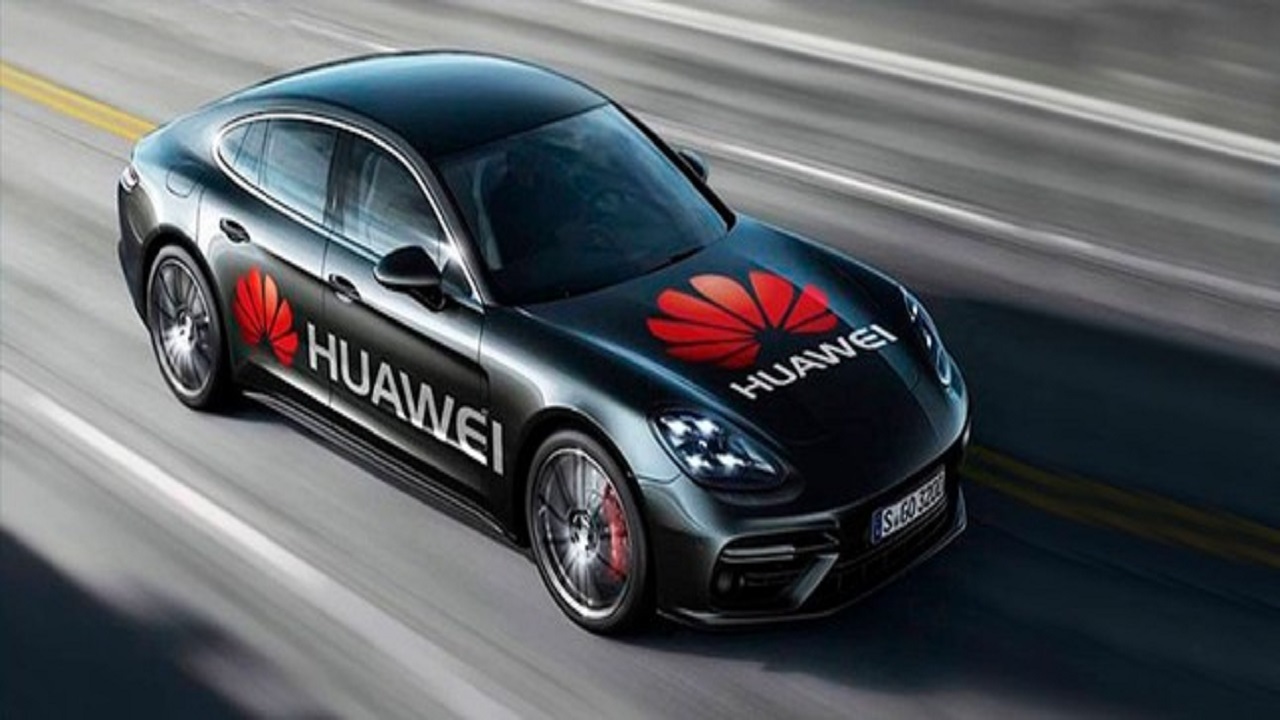

The First Among The Models Of Self-Driving Electric Cars With Huawei Technology Is For Sale And The Brand Promises To Surpass Apple And Xiaomi
Huawei has officially become an electric vehicle manufacturer, potentially surpassing Apple and Xiaomi, after the company attended the Shanghai Auto Show to unveil its first electric vehicle developed in collaboration with BAIC’s EV division. The Arcfox Alpha S is a fully electric model, with its software and hardware components entirely developed by Huawei. Although no information has been shared regarding this, BAIC was likely responsible for everything related to manufacturing.
Read Also
5G Technology Promising To Boost The Electric Car Market With Huawei
As expected, Huawei is betting big on the synchronization between new electric vehicle models and its smartphones, so HarmonyOS allows for seamless communication, with a huge 4K screen in the car installed on the dashboard, enabling users to control everything from infotainment to autonomous driving capabilities, which is much better than the announced Xiaomi model, and even ahead of Apple’s car release.
Of course, voice recognition is also offered, but the car also supports gestures, so you can interact with it without even touching.
-
End of an era in Brazil: beloved sedan by Brazilians is discontinued despite having a 2.0 engine with 151 hp, CVT transmission, 466-liter trunk, and up to 650 km of range.

-
New Law Proposal in Brazil Could Heavily Penalize Drivers: Dangerous Overtaking May Become a Serious Offense with Fines Increased Tenfold and a 12-Month License Suspension; Update on 2026 Progress

-
Electric Revolution: Watts W125 Motorcycle Offers 160 km Range, 90 km/h Speed, and Affordable Price Starting at $3,000
-
General Motors Replaces Over a Thousand Workers with 50 Cobots at Electric Vehicle Plant, UAW Union Criticizes Move Amid Industry’s Automation Push



The Best Battery On The Market
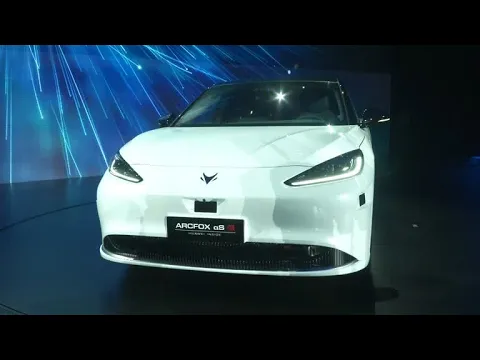

The lithium-ion battery comes with intelligent temperature control, making it theoretically one of the safest electric cars, as the charge does not allow for excessive overheating. This is one of the reasons why Huawei’s car charges so quickly. Wireless charging is also offered, although it goes without saying that it would take longer to fully charge the battery without a cable.
The autonomous driving mode is powered by onboard maps also provided by Huawei; however, for now, only a handful of Chinese cities, including Beijing, Shanghai, and Shenzhen, are supported.
Huawei’s new electric vehicle, which promises to be better than the models from Xiaomi and Apple, will be available for sale later this year, with prices starting at 251,900 Yuan (around US$ 38,700), reaching up to 429,900 Yuan (US$ 66,000) for the higher HI version.