Portuguese
  Spanish




Property in Barra da Tijuca features spacious environments, internal garden, areas for animals, and continuously operating equipment, factors that explain the impact on energy costs of Xuxa Meneghel’s former mansion, although the monthly bill amount has not been officially disclosed.
Xuxa Meneghel’s former mansion in Barra da Tijuca, Rio de Janeiro, has gained attention again due to the property’s structure and the expenses associated with maintaining a residence of this size.
Sold for around R$ 45 million in 2021, the property has approximately 2,626 m² of built area and is located in the Malibu condominium, one of the well-known residential areas in the West Zone of Rio.
The property was purchased by singer Karinah and businessman Diether Werninghaus, according to information published at the time of the negotiation by media outlets that followed the sale of the residence.
-
Simple Aluminum Foil Trick Can Easily Remove Excess Ice from Freezer and Simplify Cleaning

-
College Dropout Turned Window Cleaner Builds $1 Million Cleaning Business with Subscription Model After 18 Years of Door-to-Door Work

-
North Korean Soldier Risks Crossing One of the World’s Most Dangerous Borders, Detained in South Korea

-
Stingless Bee Honey from Brazil Can Cost Up to $120 a Liter, Surprises with Flavors of Wood, Citrus, and Even Cheese


Built on a plot of about 2,780 m², the house occupies three lots and features glassed areas, integrated environments, an internal garden, spaces for animals, and equipment that requires regular operation.
Xuxa’s Mansion in Barra da Tijuca has a Large Structure
The curiosity about the energy bill is related to the residence’s profile, which includes systems for air conditioning, lighting, automation, security, irrigation, and air circulation in a built area above the residential average.
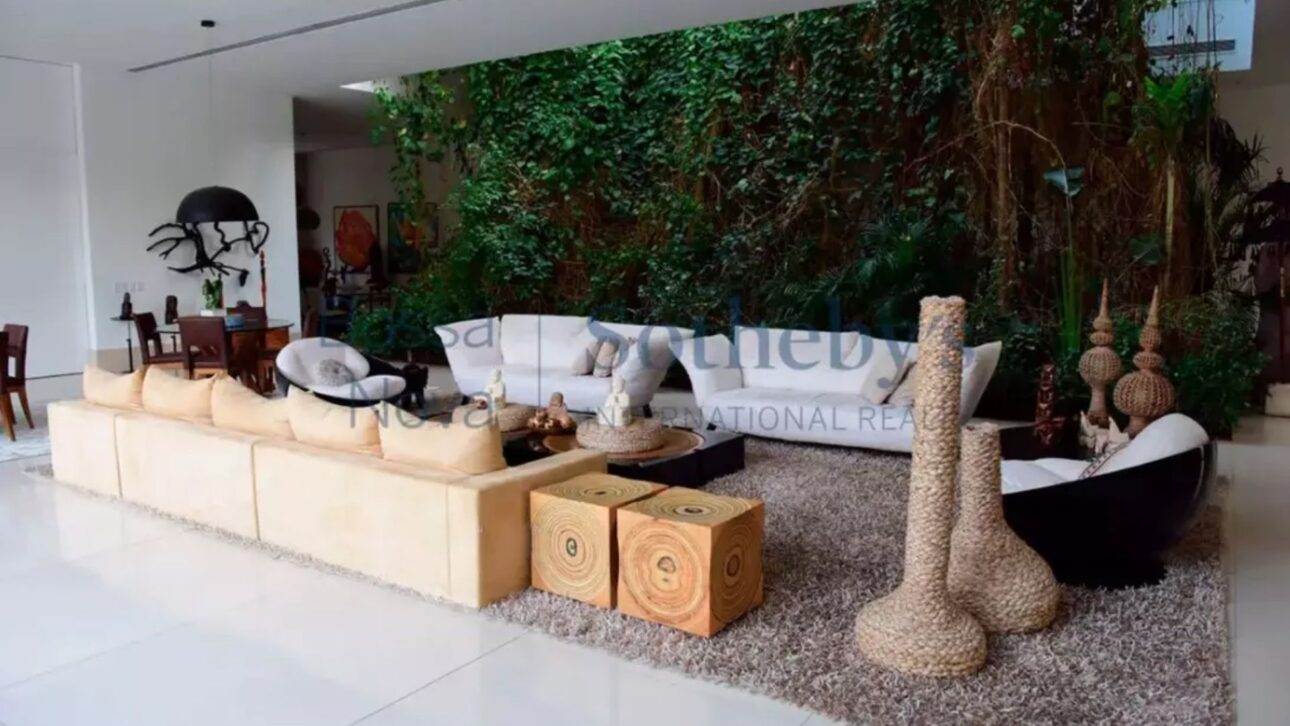
In Xuxa’s former house, the size of the environments and the presence of internal areas with vegetation help to contextualize the attention surrounding the expenses necessary to keep the property operational.
So far, there is no official disclosure of the monthly energy bill associated with the property, which prevents confirmation of any number attributed to the residence.
For this reason, estimates about the bill should be treated as projections, as consumption depends on occupancy, house routine, installed equipment, applied rate, and system usage.
Air conditioning influences consumption in large properties
Among the most significant factors in residences of this size is the use of air conditioning, especially when the spaces have large dimensions, high ceilings, and glass surfaces exposed to heat.
In hot regions of Rio de Janeiro, such as Barra da Tijuca, air conditioning may require prolonged operation to maintain stable internal temperatures in different areas of the house.
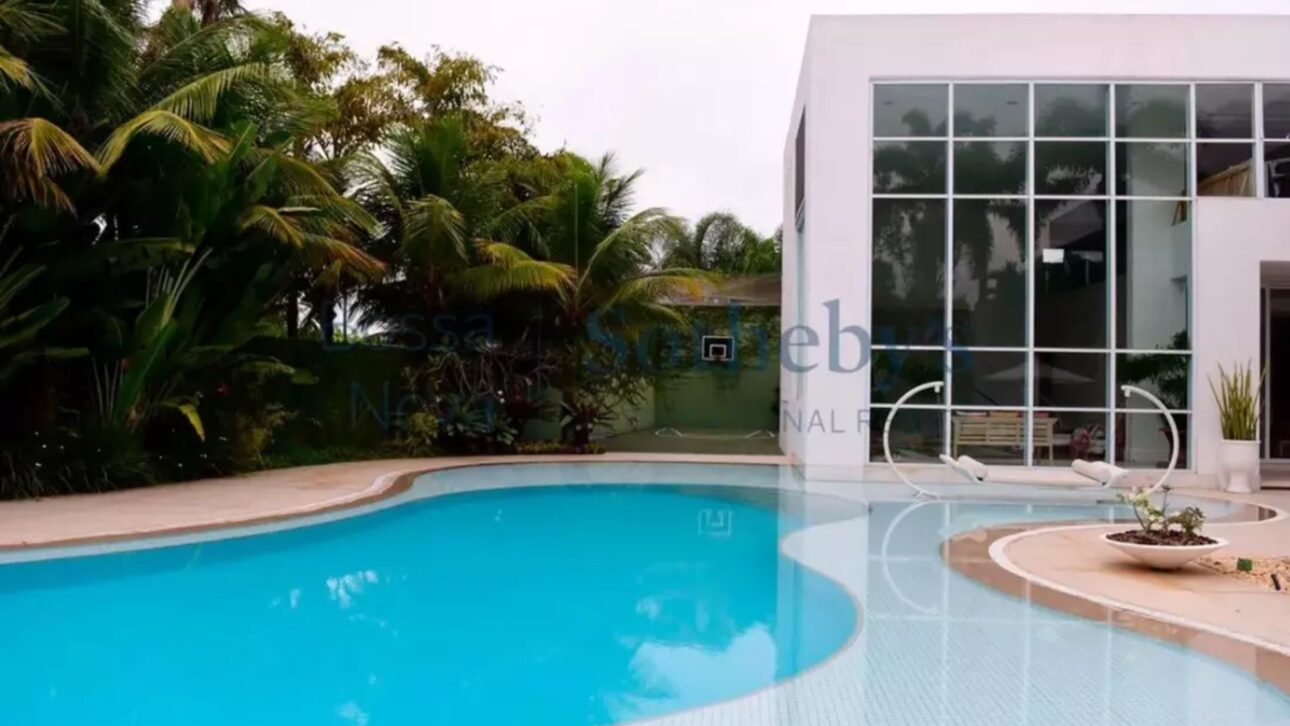
Central systems also tend to consume more energy when operating for long periods, especially in properties with several rooms, large social areas, and spaces that require constant thermal control.
Under these conditions, the electrical expense can easily exceed the consumption of a regular residence, but any specific calculation about the former mansion depends on data that has not been made public.
Indoor garden and animal spaces increase technical demand
The mansion was also known for housing a winter garden and areas designated for animals, structures that may require permanent care in ventilation, lighting, humidity, and environmental maintenance.
In indoor gardens, plant conservation usually depends on more stable conditions, especially when there is vegetation in enclosed areas or partially protected from light and natural ventilation.
Depending on the installed project, this type of environment may involve irrigation, exhaust, pumps, sensors, and supplementary lighting, although there is no complete public detailing of all the systems used on the property.
Areas designated for animals may also require frequent cleaning, air circulation, and temperature control, factors that increase the operational complexity of a house with this configuration.
Home automation requires continuous maintenance
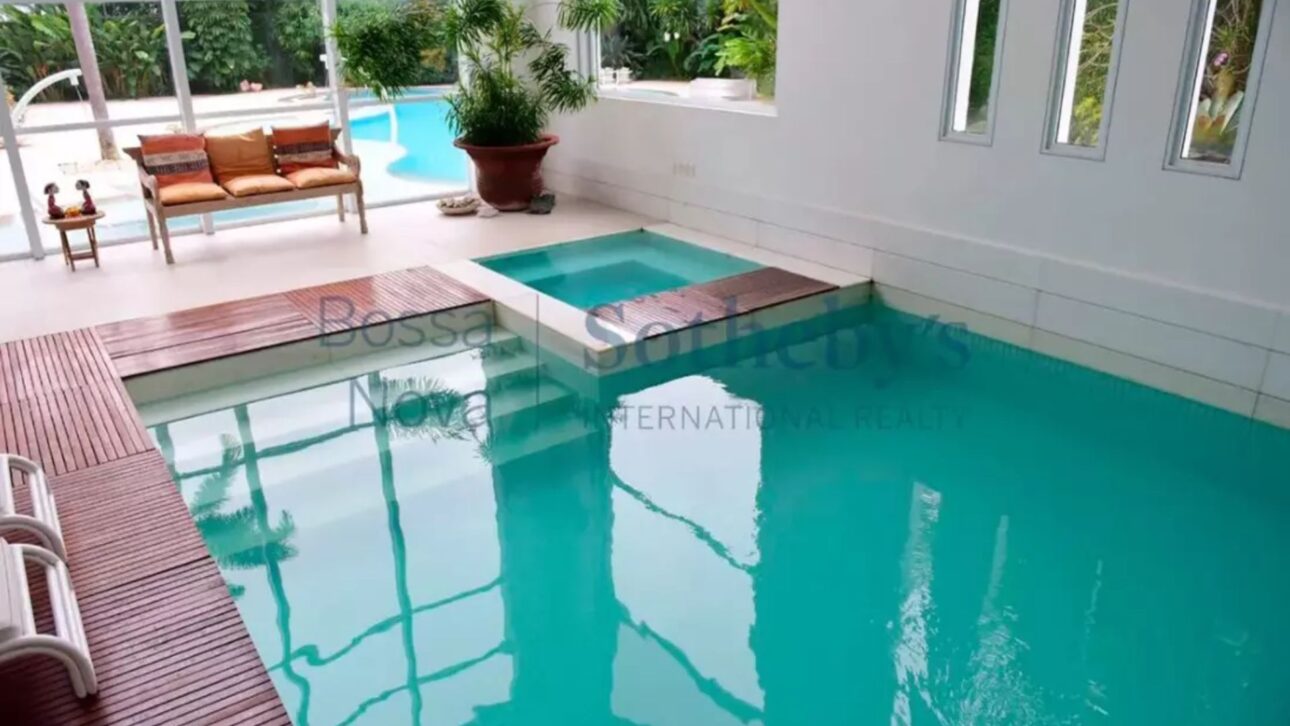
High-end residences often use automated resources to control lighting, temperature, cameras, gates, curtains, audio, irrigation, and security, integrating equipment that remains connected throughout the day.
In addition to direct electricity consumption, these systems require technical maintenance, operational adjustments, and component updates to avoid failures in equipment used in the daily routine of the house.
The expense of a residence of this size, therefore, is not limited to the electricity bill, as it involves specialized services, replacement parts, and periodic monitoring of the installed infrastructure.
Climate control equipment, motors, filters, sensors, panels, and internal networks need to undergo inspections, especially when they are responsible for keeping internal environments functioning stably.
Energy bill stands out due to the size of the residence
The buzz about Xuxa’s former mansion relates to the contrast between the property’s size and the consumption pattern of a typical Brazilian residence.
In conventional homes, a significant portion of the electric expense is usually concentrated on the refrigerator, shower, lighting, washing machine, and a few appliances used daily.
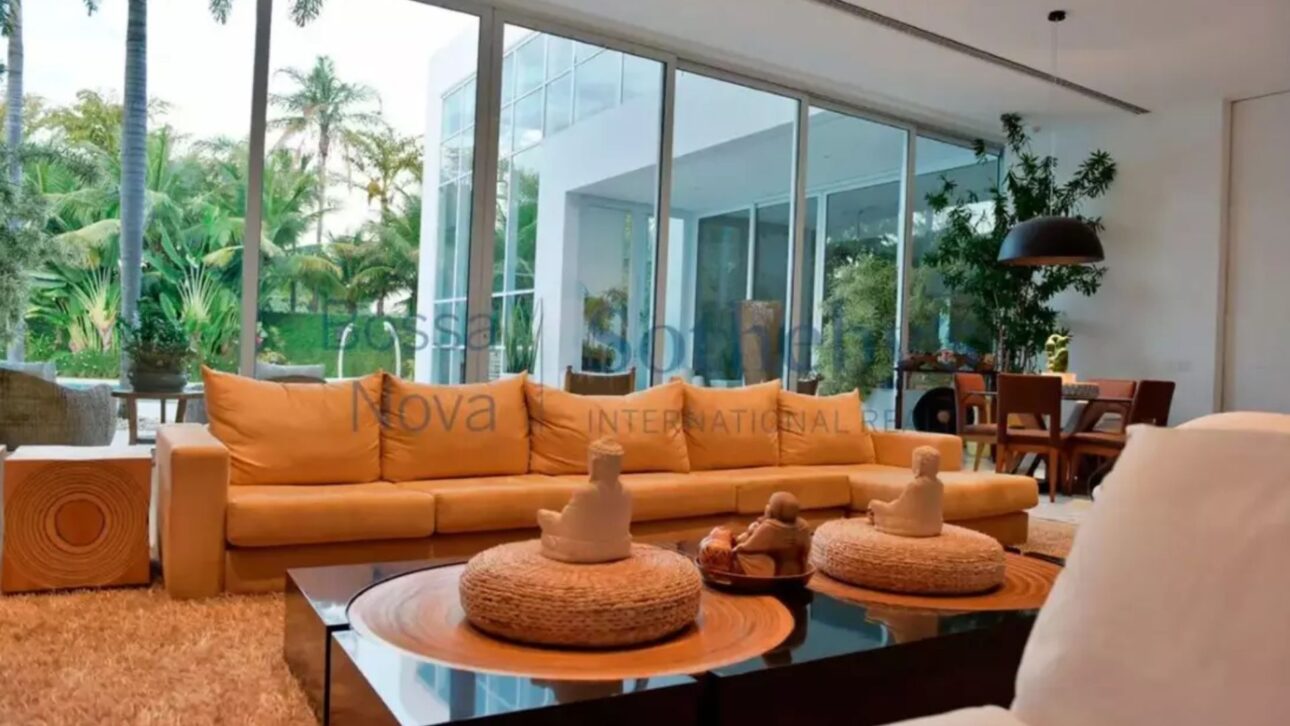
In a property with a built area exceeding 2,600 m², different systems can operate simultaneously, including climate control, security, automation, air circulation, external lighting, and support equipment.
Even without an official bill value, the scale of the house explains why the energy bill became one of the most talked-about points when the residence resurfaced on social media and in reports.
The combination of large built area, frequent climate control, internal garden, home automation, and continuous maintenance forms the set of factors that fuels curiosity about the property’s expenses.