Portuguese
  Spanish


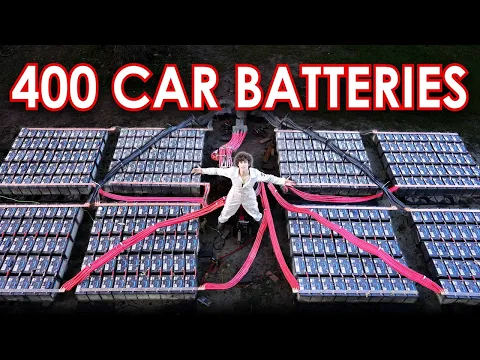
Experiment conducted by YouTuber Drake Anthony connected 400 car batteries, reached a current exceeding 160 thousand amperes, required more than 450 kilograms of copper in a custom solution, and ended with discharges capable of deforming metals, destroying a tube, and generating a fireball with ferrofluid.
Four hundred car batteries were connected by YouTuber Drake Anthony, known as styropyro, in an experiment to concentrate electrical current, deform metals, and test power.
Experiment with car batteries gathered extreme current
Known for extreme videos, the United States YouTuber Drake Anthony assembled an unusual circuit by himself, in a video published on February 21 of this year. The proposal was to observe how much energy could be released when hundreds of batteries were connected.
The calculation indicated a capacity exceeding 160 thousand amperes. Since there was no automotive switch ready to support this power, the creator had to manufacture the solution, using more than 450 kilograms of copper.
-
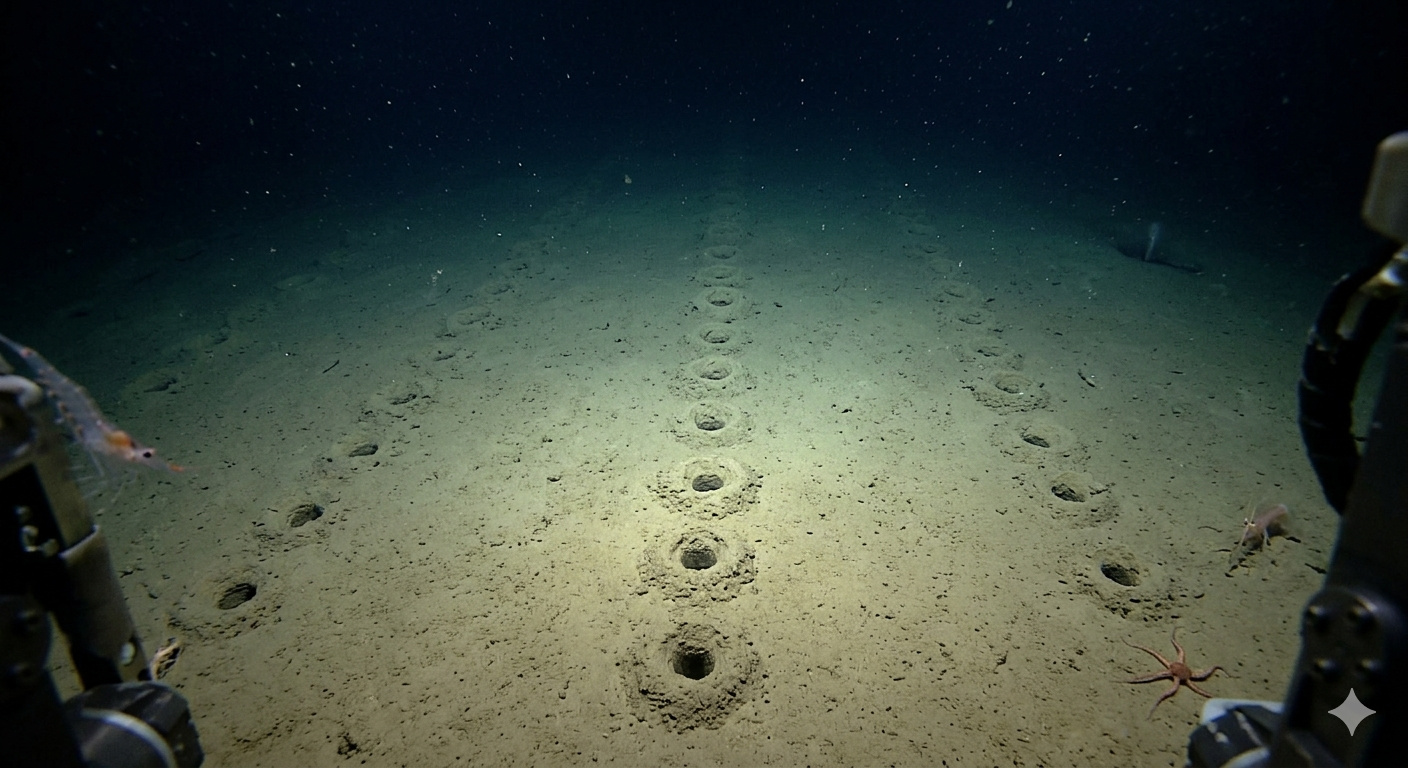
NOAA Scientists Discover Mysterious, Perfectly Aligned Holes on the Mid-Atlantic Ridge Seafloor, Origin Still Unknown

-
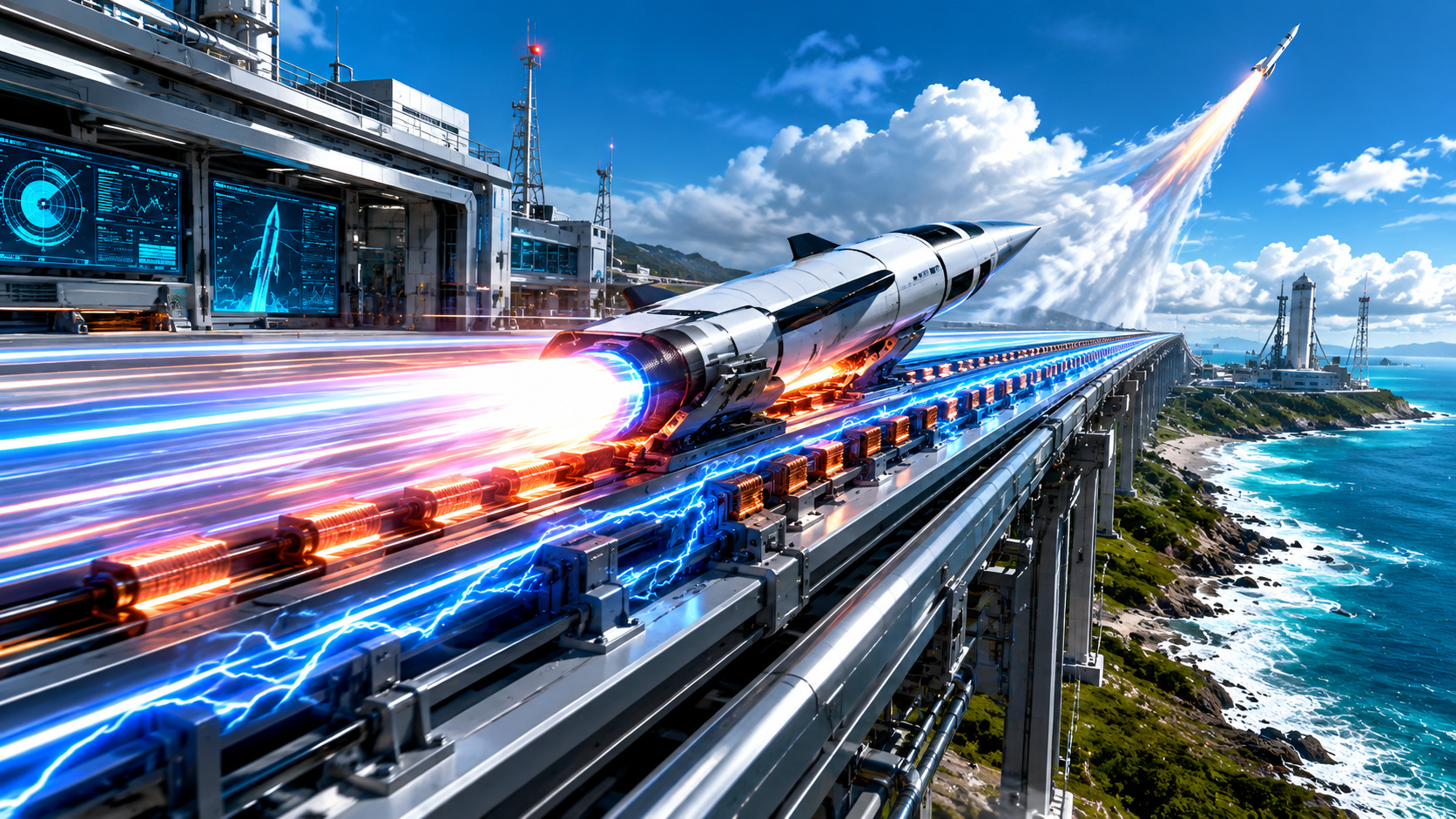
California Startup Develops Giant “Space Sling” to Launch Vehicles at Mach 6, Reducing Fuel Use and Enabling Thousands of Satellite Deployments

-
ChatGPT Alerts FBI to Prevent Planned Murder of 8-Year-Old in Brazil’s Espírito Santo
-
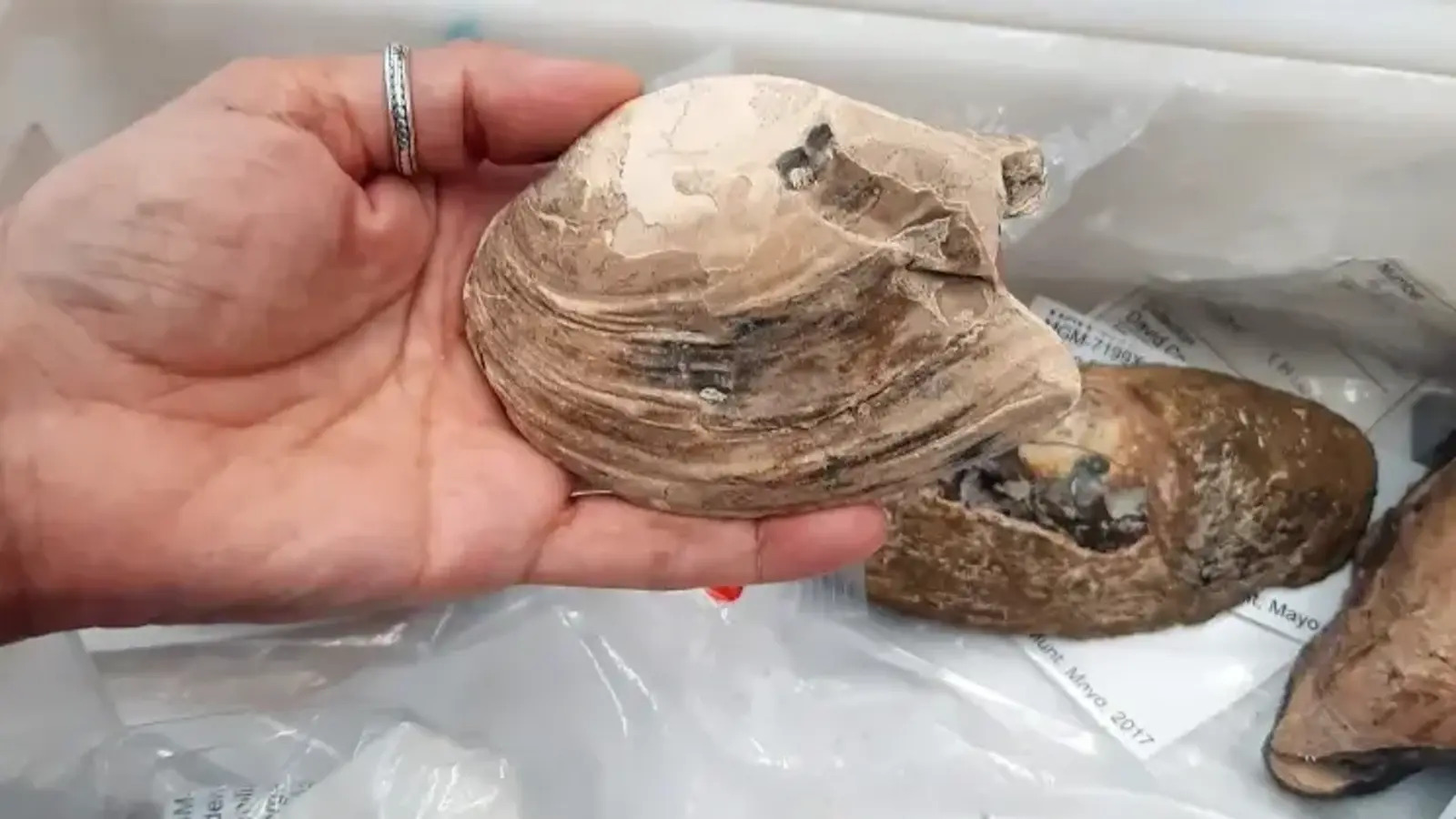
Scientists Discover 125-Million-Year-Old “Pregnant Fossil” with Preserved Embryos and Microscopic Larvae Inside Mollusk in England


Why use car batteries in the test
The choice was made because car batteries can provide very high currents for longer than a brief pulse from capacitors. Drake explained that, although capacitors are remembered, they are not far behind in maximum current.
With the system, he concentrated enough energy to deform a pipe. In some attempts, the electricity destroyed the material, instead of just bending it. Later, with magnetic pulses, the tube ended up destroyed.
Metals were subjected to intense discharges
The experiment advanced to tests with bismuth, titanium, and tungsten rods. The discharges generated explosions and showed the effect of the current on different materials.
At the closing, Drake used ferrofluid and recorded a ball of fire. He stated it was “the coolest thing” he had ever filmed, after all the content was launched against the tube.
The circuit went over 10 million watts in a tenth of a second. Despite the intense scenes, the batteries remained intact and could be reused.
Comment on what you thought of the test, if such demonstrations help explain electricity to the public, what precautions should guide experiments of this magnitude, and if the reuse of the batteries changes your perception of this type of scientific content online.