Portuguese
  Spanish


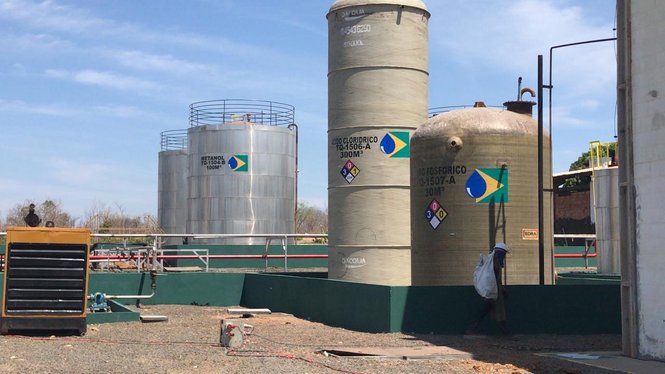

Biodiesel Plant in the Municipality of Floriano, Piauí, Will Have an Investment of 60 Million and More than 350 Direct and Indirect Jobs in the Region.
In October 2019, the biodiesel plant in the municipality of Floriano, Piauí, will start operating again. Inaugurated in 2015 by Brasil Ecodiesel, the plant produced more than 40 million liters of biodiesel during this period, being one of the pioneers in the sector.
It operated until 2009 and is now managed by Unibras, which, even without operating authorization, has attempted to qualify it to participate in the 69th Biodiesel Auction. With the capacity to produce about 90 million liters of biodiesel per year – slightly less than was produced before its closure, the factory is located in Piauí in an area with about 10 hectares of total production space.
The plant will use soy as its main raw material, differing from the initial bet of 2015, when castor oil was considered the most viable raw material for biodiesel production.
-
Over 2,000 Tons of Discarded Fishing Nets Since 2020 Repurposed into Durable Caps, Fins, and Parts

-
Seals and Sea Lions Lose Habitat and Food as Climate Change Advances, Impacting Ice, Prey, and Coastal Communities

-
Brazilian Innovator Uses 3D-Printed Device to Cool Two Rooms with One Air Conditioner
-
China Uses 432 Robots to Move a 7,500-Ton Historic Building in Shanghai, Preserving Architecture While Creating Space for Underground Center


Despite the change, the government of Piauí has not abandoned the idea of the factory absorbing part of the local production. According to the state secretary of Economic Development, Igor Néri, castor oil will not be disregarded. “We intend to reuse the castor oil from the region and we will try to incorporate it in some stages of production,”
With the reopening, the factory is expected to generate about 300 indirect jobs and 70 direct jobs with investments of around R$ 60 million. “In addition to generating jobs and income, the industry encourages soybean production in the state and allows Piauí to produce biodiesel, even being able to export to nearby states that do not have plants,” says Unibras’s manager, Anderson Lange.
It is estimated that this investment in the Floriano plant will bring cash circulation in Piauí, generating new job positions and technological development in the region.
Multinational Calls for Rio and Macaé Assistants, Technicians, Analysts, and Managers