Portuguese
  Spanish


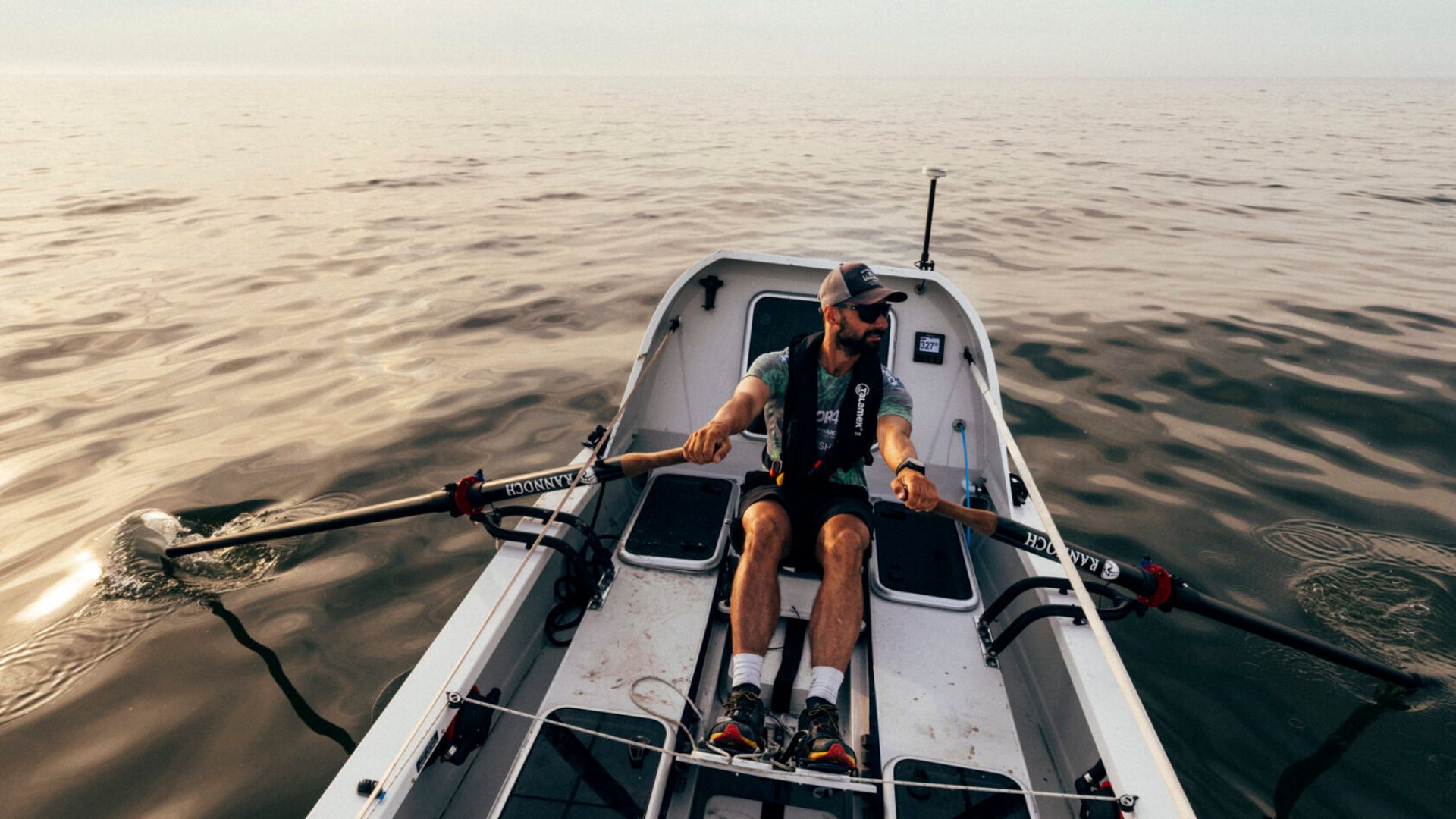


Solo Crossing the Atlantic Exposes Extreme Routine of a Rower Facing Isolation, Unstable Seas, and Physical Wear While Covering 4,800 Kilometers Using Only Arm Strength, Accompanied in Near Real-Time During One of the Toughest Competitions in Outdoor Sport.
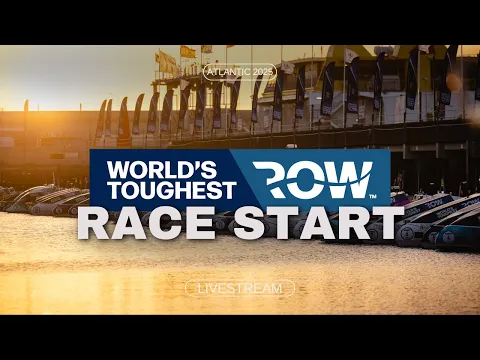
Crossing the Atlantic by rowing, alone, has come to define the daily life of an athlete who decided to face one of the most demanding endurance competitions in outdoor sport, the World’s Toughest Row.
In this challenge, the total distance adds up to 4,800 kilometers between La Gomera in the Canary Islands, and Antigua in the Caribbean, always in a boat powered only by arm strength.
Throughout the crossing, the competitor deals with wind, rain, and constant changes in the sea, while documenting in near real-time the challenges faced at sea.
-
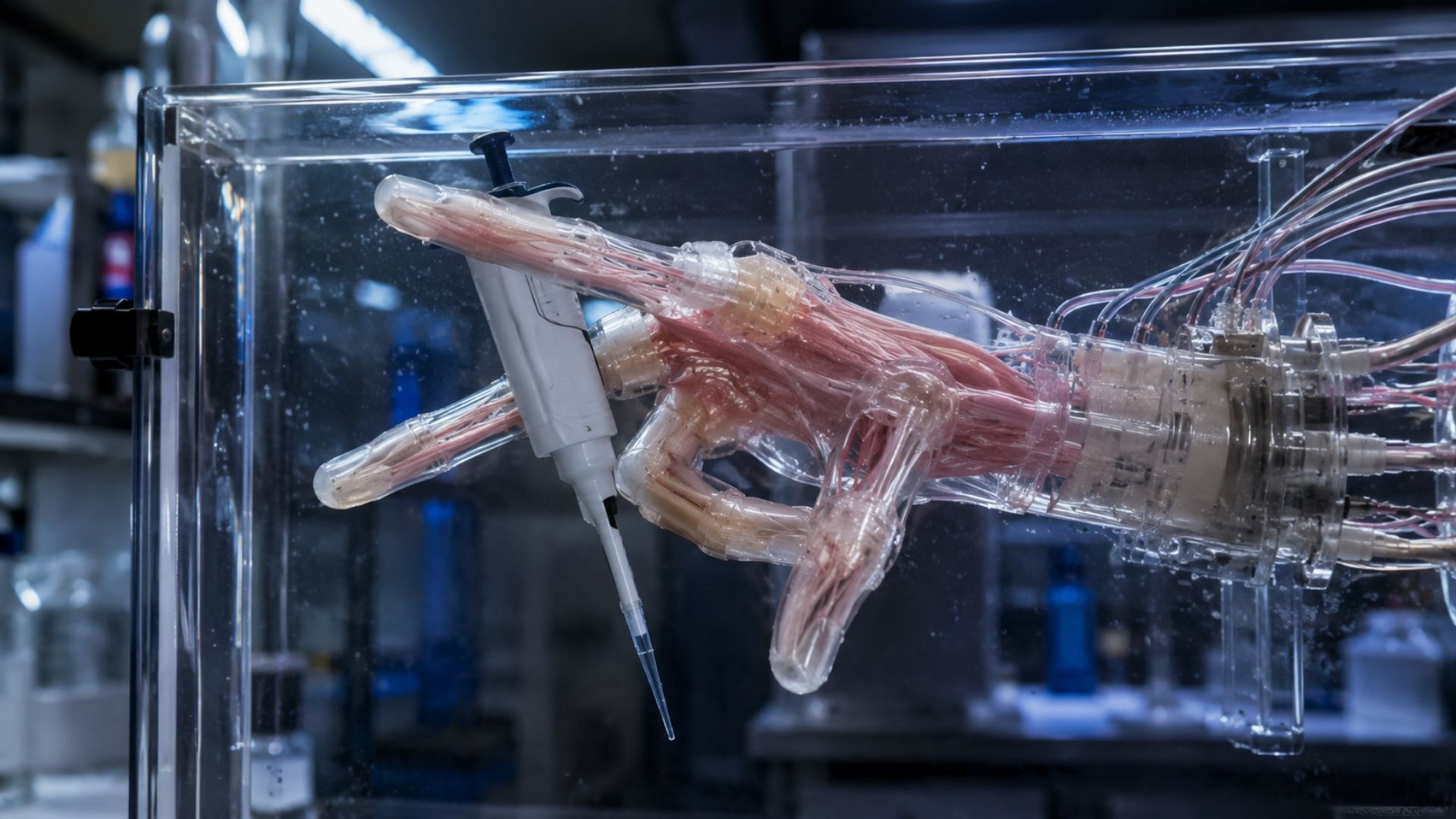
Tokyo Scientists Create First 18cm Biohybrid Hand Using Human Muscle, Capable of Scissor Gesture and Holding a Pipette

-
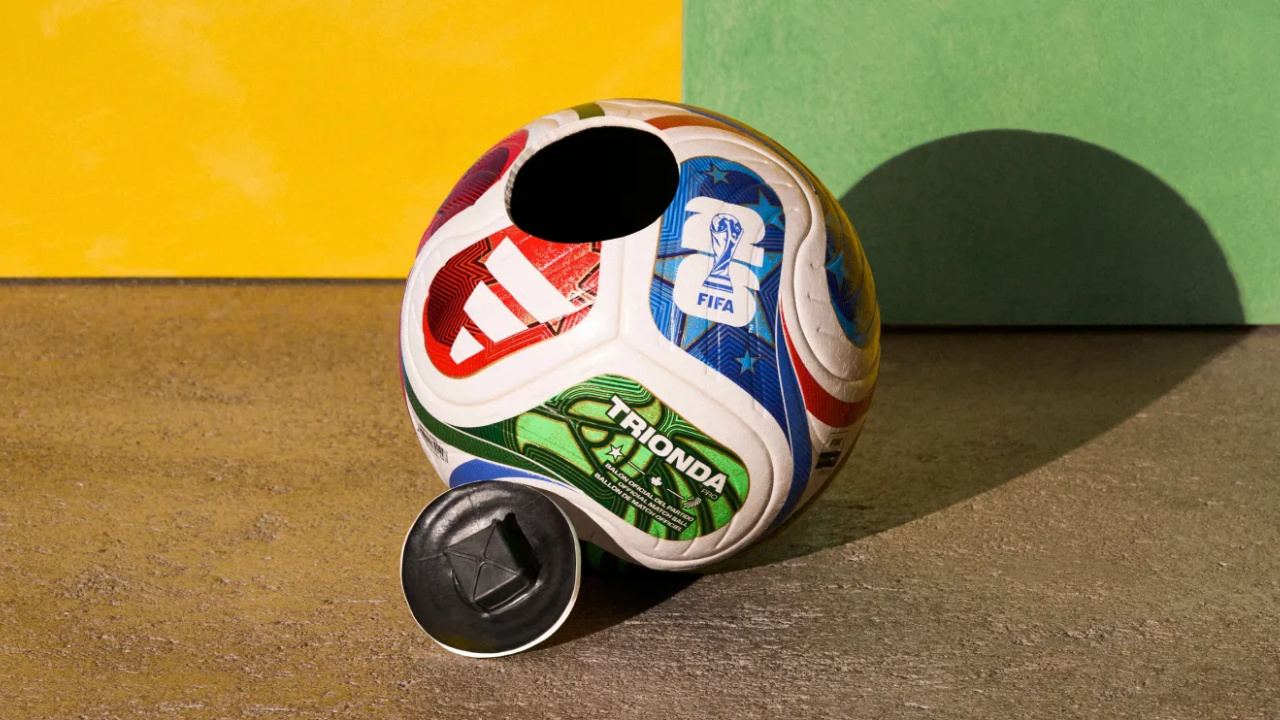
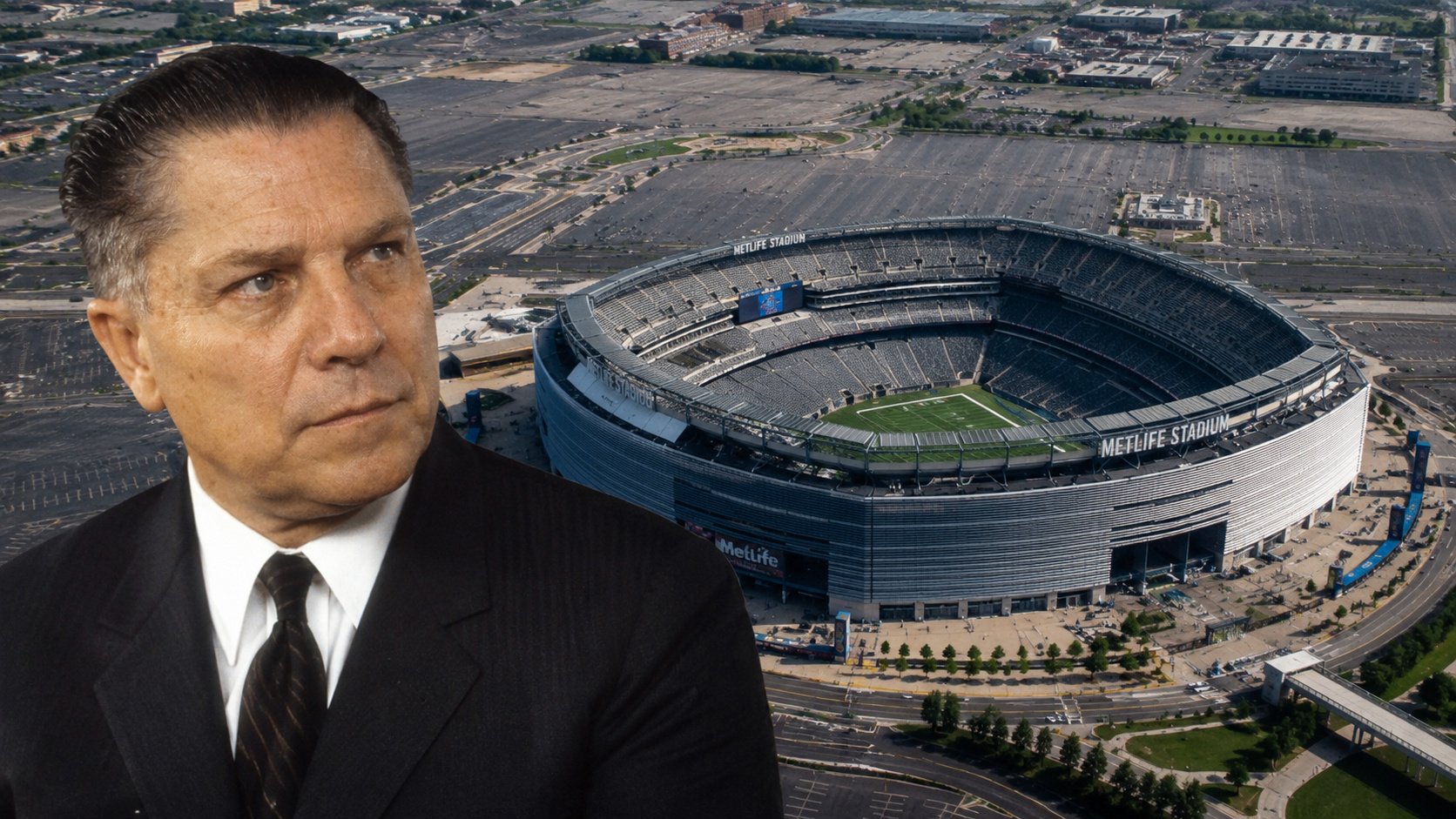
Brazil Faces Norway in World Cup at Stadium Linked to Jimmy Hoffa’s Mysterious Disappearance

-
Retired Woman Leaves French Public Housing Due to Fear, Lives in Van for Weeks, Prompting Response from Local Authorities and a Priest
-
9-Year-Old Fabio Isaac Wins Gold at Copernicus Math Olympiad in Singapore, Representing Peru Against Global Young Talents
Unpredictable Seas and Scriptless Decisions
Despite requiring rigorous planning, the experience does not follow a fixed script. The daily rhythm changes as the ocean imposes new conditions.
In testimonials released during the journey, the rower describes moments when the sea shifts from a controllable pattern to form a true “wall” of water.
According to these accounts, waves reached heights of up to eight meters, forcing quick adjustments of course and intensity to keep the boat stable and moving.
Who is the Rower Facing the Challenge
At the helm of this crossing is the Belgian Thomas Van Woensel, aged 31. He participates in the race solo aboard a vessel called Madlantic.

According to information published in the press, the departure took place in La Gomera, heading to Antigua, and the sense of time became measured by basic tasks.
Maintaining direction, managing energy, ensuring food intake, and identifying rest windows have become absolute priorities, far removed from the automated routine of land.
Routine of Extreme Effort and Fragmented Sleep
The routine described by Van Woensel is simple in form but complex in execution, as the environment turns every choice into a risk decision.
The athlete claims to row for up to 16 hours a day, alternating long periods of exertion with short breaks.
In this context, rest stops being continuous and begins occurring in fragmented blocks.
According to the rower himself, sleep is interrupted every 90 minutes to check the direction and correct deviations.
Wind and waves can silently shift the vessel, requiring constant vigilance.
Long Nights and Mental Wear
During the night, a significant part of the difficulty intensifies.
Sudden changes in wind, combined with rain and limited visibility, make navigation more complex as he attempts to maintain course.
In one of the accounts published throughout the crossing, Van Woensel describes situations where he had to resume rowing in the early morning.
These corrections further reduce the possibility of prolonged and restorative sleep.

Isolation at Sea and Mental Strategies
Beyond physical effort, isolation emerges as a parallel challenge.
The competitor claims to have mentally prepared himself to spend weeks alone in open water.
Even so, he acknowledges that some days are tougher than others. To maintain focus, he mentions sporadic contacts with family and friends.
The use of music and podcasts also appears as a strategy to sustain morale amid the repetition of scenery.
Unexpected Encounters at Sea
The maritime environment is not limited to fatigue and monotony.
During the crossing, Van Woensel reports frequent encounters with marine life.
Among these, the appearance of a shark that followed his vessel for a few minutes caught attention.
The episode was described as unexpected and reinforces that, despite human isolation, the ocean remains active and unpredictable.
Simple Food and Survival Strategy

Food and water cease to be secondary details and become part of the daily survival strategy.
According to the report, Van Woensel’s diet is based on freeze-dried rations, consumed cold.
This choice aims to save time and preserve energy throughout the day.
The diet is complemented with dried fruits, snacks, and sweets, sufficient to maintain caloric intake.
Even so, he reports missing common foods on land, such as pizza and fries.
Small Breaks That Relieve the Routine
In specific moments, the crossing allows for small variations in the routine.
The rower reports that, on symbolic dates, he set aside different items within the boat’s limitations.
Among them were cans of tuna and peaches, described as a true “feast” compared to the daily standard.
On another occasion, he mentioned a heartier dish with sausages in tomato sauce, which served as psychological relief.

Long Preparation Before Facing the Atlantic
The athlete’s background helps to understand the choice for the challenge.
According to the report, Van Woensel prepared for two years before entering the race.
The training combined long sessions on the ergometer, mandatory hours at sea, and frequent technical tests.
The article also cites his participation in endurance competitions known for their rigor, such as the Barkley Marathon and the Marathon des Sables.
Navigation, Fatigue, and Constant Control
Even with technical preparation, the crossing demands continuous decisions regarding navigation and safety.
The body begins to operate at a different rhythm than that of land. In this scenario, the rower needs to balance fatigue and boat control, monitoring the course at short intervals.
Sleeping longer can mean waking up with the course compromised.