






 Portuguese
  Spanish


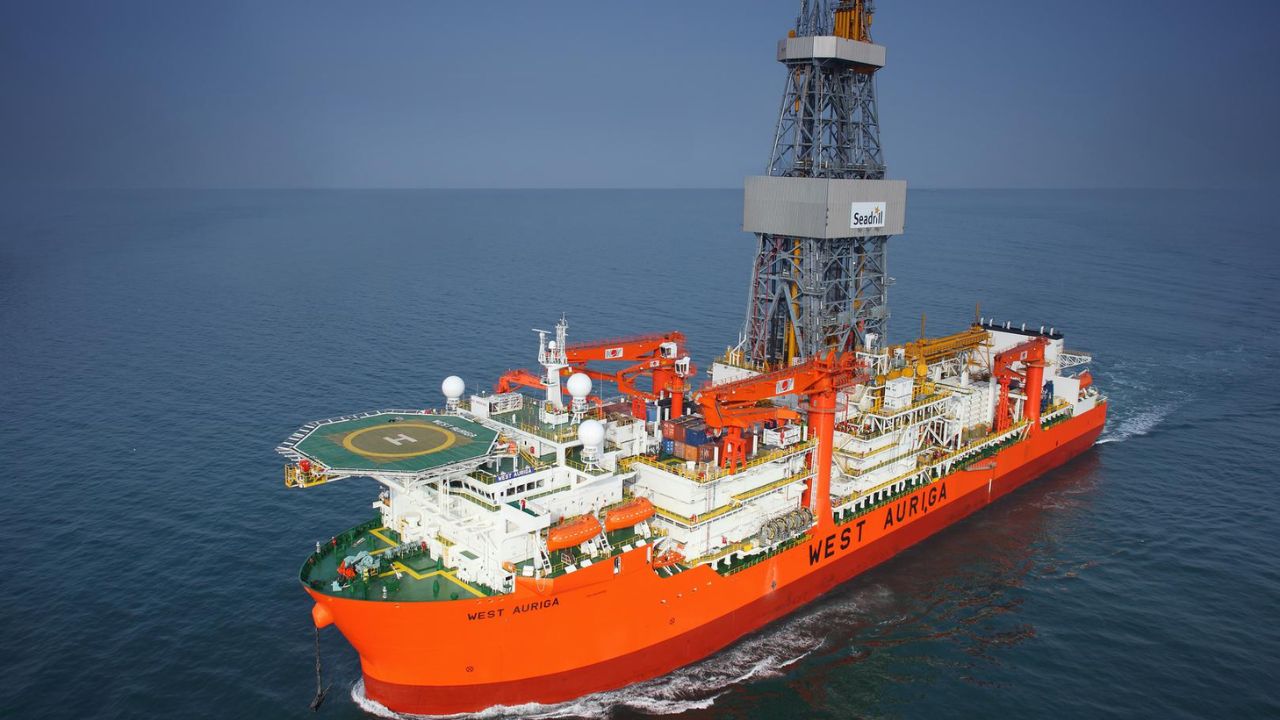


Petrobras Intensifies Operations in the Pre-salt of the Santos Basin Using the Drill Ship West Auriga and Reinforces Presence in One of the Most Promising Areas of the Country.
Petrobras has taken another step in its strategy to expand in the pre-salt of the Santos Basin by starting the drilling of a new well in the Aram block, consolidating the area as one of the most promising in the country for oil and gas exploration.
The drilling is being conducted with the drill ship West Auriga, in ultra-deep waters, reinforcing the state-owned company’s commitment to domestic energy production.
New Well Expands Operations in the Aram Block
The latest stage of Petrobras in the Aram block began with the drilling of well 3-BRSA-1400-SPS, located at a depth of 1,835 meters.
-
OPEC+ Boosts Oil Supply by 188,000 Barrels per Day in July 2026, Leading to Price Drop from $112 to $89 per Barrel in Under Two Months

-
TotalEnergies Signs 20-Year Deal to Purchase 2 Million Tons of LNG from Alaska, Boosting Project Viability
-
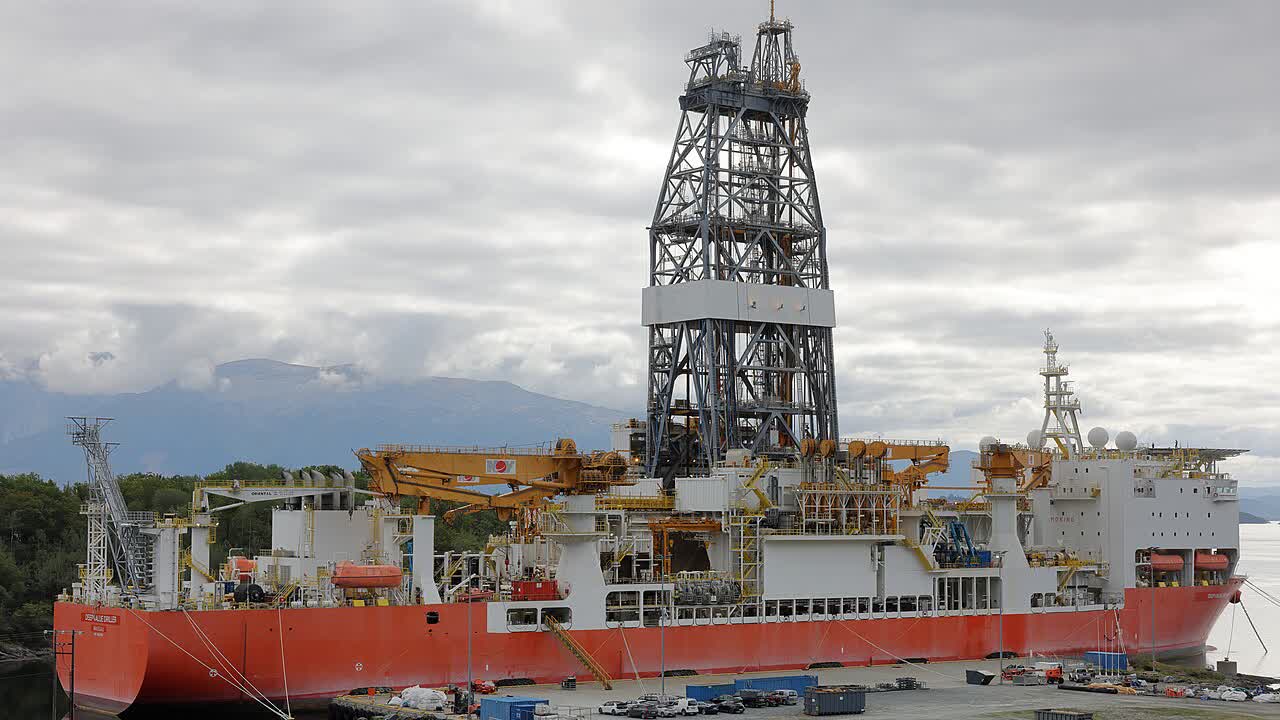
Turkey Deploys Çağrı Bey Drilling Ship to Explore New Oil Frontier Off Somalia’s Coast
-
Golden Pass LNG Ships First Liquefied Gas Cargo from the U.S., Completing $10 Billion QatarEnergy and ExxonMobil Investment

This is the sixth drilling performed by the state company in the area, which has proven to be increasingly strategic.
The previous well, identified as 3-BRSA-1399-SPS, was drilled at the end of May this year, in a water depth of 1,866 meters.
Since its acquisition in March 2020, during the 6th bidding round of the National Petroleum Agency (ANP), the Aram block has been treated as a priority by Petrobras.
The area is under a production sharing regime, with Pré-Sal Petróleo S.A. (PPSA) managing the contract.
The Brazilian oil company holds an 80% stake, in partnership with the Chinese state-owned CNPC, which owns the remaining 20%.
Promising Indicators Reinforce the Area’s Potential
In recent years, Petrobras has already identified signs of oil in two wells located in the Aram block.
The most recent discovery occurred in May of this year, in well 3-BRSA-1396D-SPS.
At that time, the company announced it would conduct detailed laboratory analyses to determine the quality of the reservoirs and fluids found, which will allow for an assessment of the area’s real productive potential.
These advances are viewed with optimism, especially given the technological investments applied in each new operation, such as the use of the drill ship West Auriga, essential for operating in such deep and challenging waters.
What Is a Drill Ship?
It is a floating vessel, similar to a conventional ship, specially designed to carry out activities in deep maritime areas.
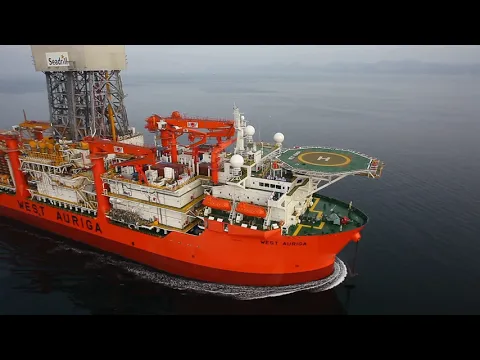

To maintain its position and stability even in adverse conditions, it uses dynamic positioning systems, which have thrusters capable of compensating for the effects of winds and waves.
This type of drill also is equipped with acoustic sensors that ensure precision in positioning during drilling operations on the seabed.
Technology and Sustainability as Pillars of Petrobras
With decades of expertise in deep and ultra-deep water exploration, Petrobras has established itself as a global leader in this segment.
The company’s operations in the Aram block exemplify its integrated operating model, which goes beyond oil and gas extraction.
The entire production chain involves the transportation, refining, and treatment of resources, always focusing on efficiency, cost reduction, and low carbon emissions.
Continuous investment in innovation and environmental responsibility is aligned with the ongoing energy transition worldwide, reaffirming Petrobras’s role in Brazil’s energy future.






Petrobras é Brasil. Uma empresa de tecnologia e gestão de ponta que muito nos orgulha. As cores da Petrobras se misturam com a bandeira do Brasil e da nossa independência econômica