






 Portuguese
  Spanish
  3 min of reading
  0 comments


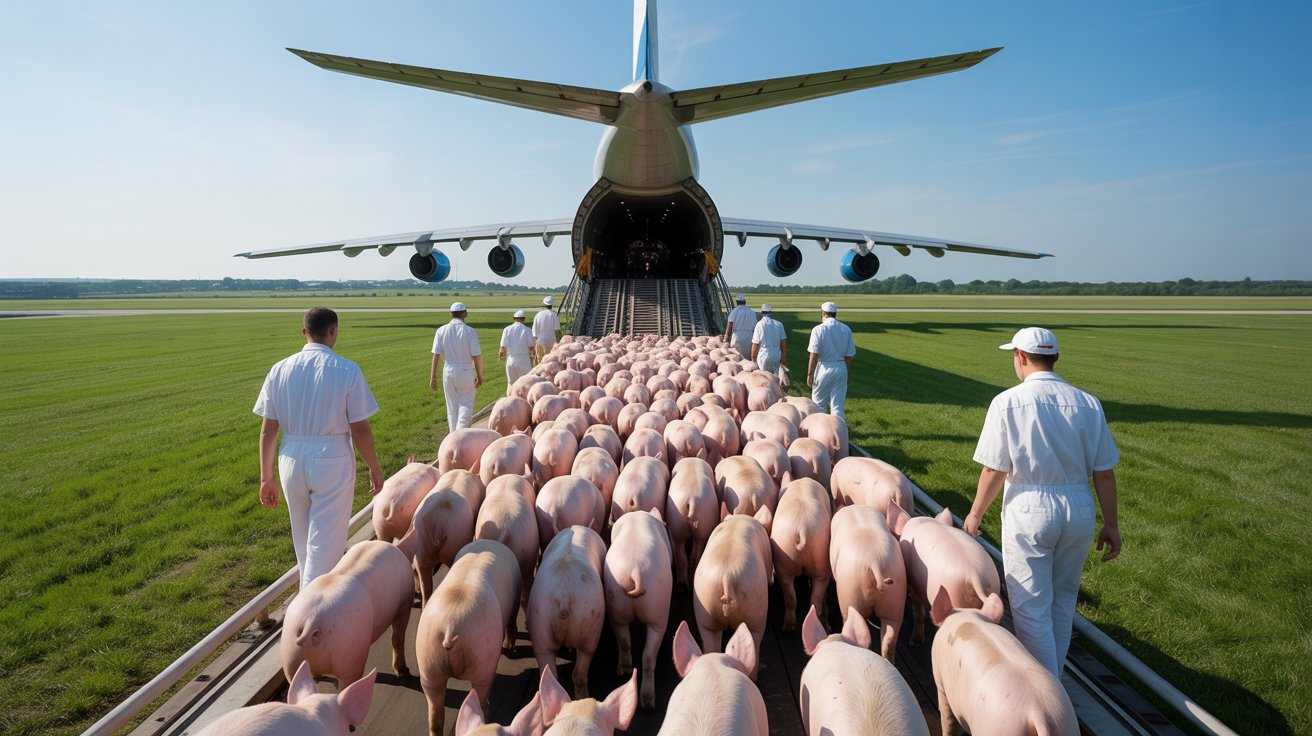
Sanitary Rigor, Animal Welfare, and International Integration Define the Complex System that Moves Livestock Between Countries via Land, Sea, and Air Routes
The international transportation of live animals involves a complex logistics chain by land, sea, and air, with movements occurring daily between farms, airports, and export ports. Countries such as Brazil, Australia, and the United States lead this sector, sending millions of cattle, sheep, and pigs to markets in the Middle East, Asia, and Europe, under strict animal welfare and health standards.
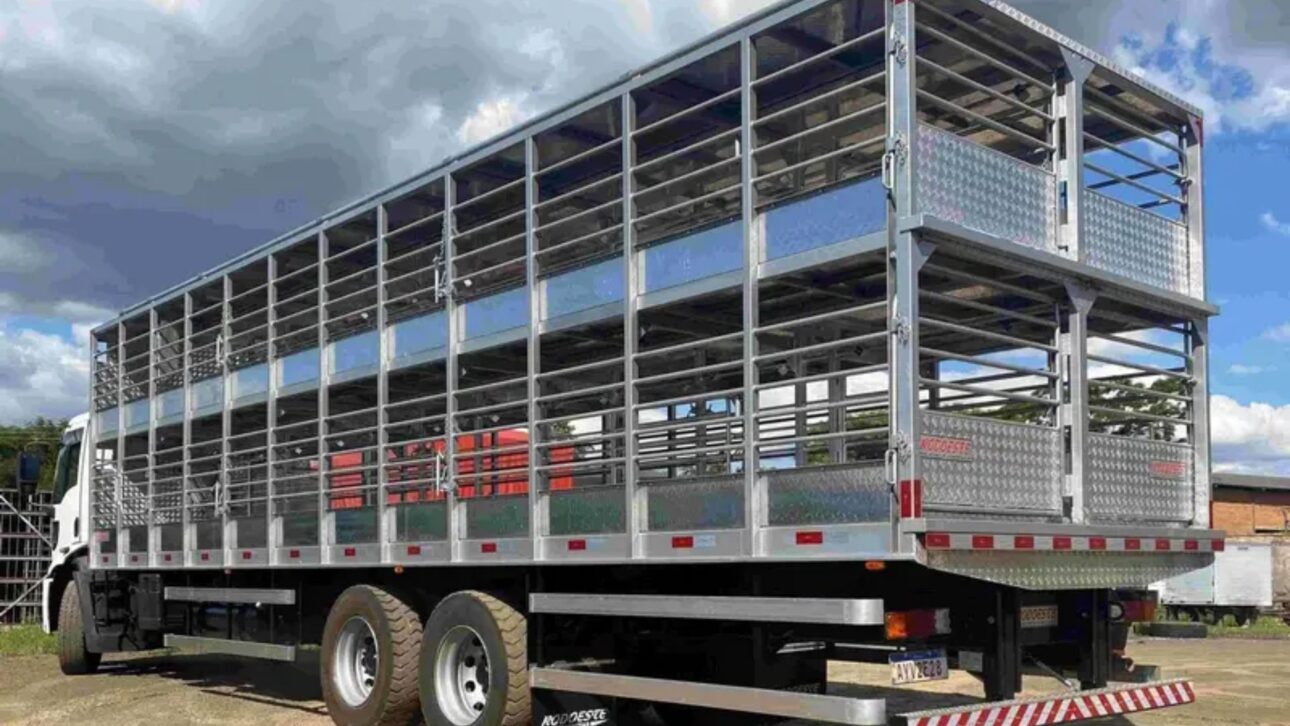
The process begins on rural properties where animals are selected based on sanitary and genetic criteria required by the destination country. After veterinary inspections and the issuance of zoosanitary certificates, land boarding is done in specific trucks designed for animal transport, equipped with ventilation, automatic drinkers, and designated space. Distances to ports or airports can exceed 1,000 km.
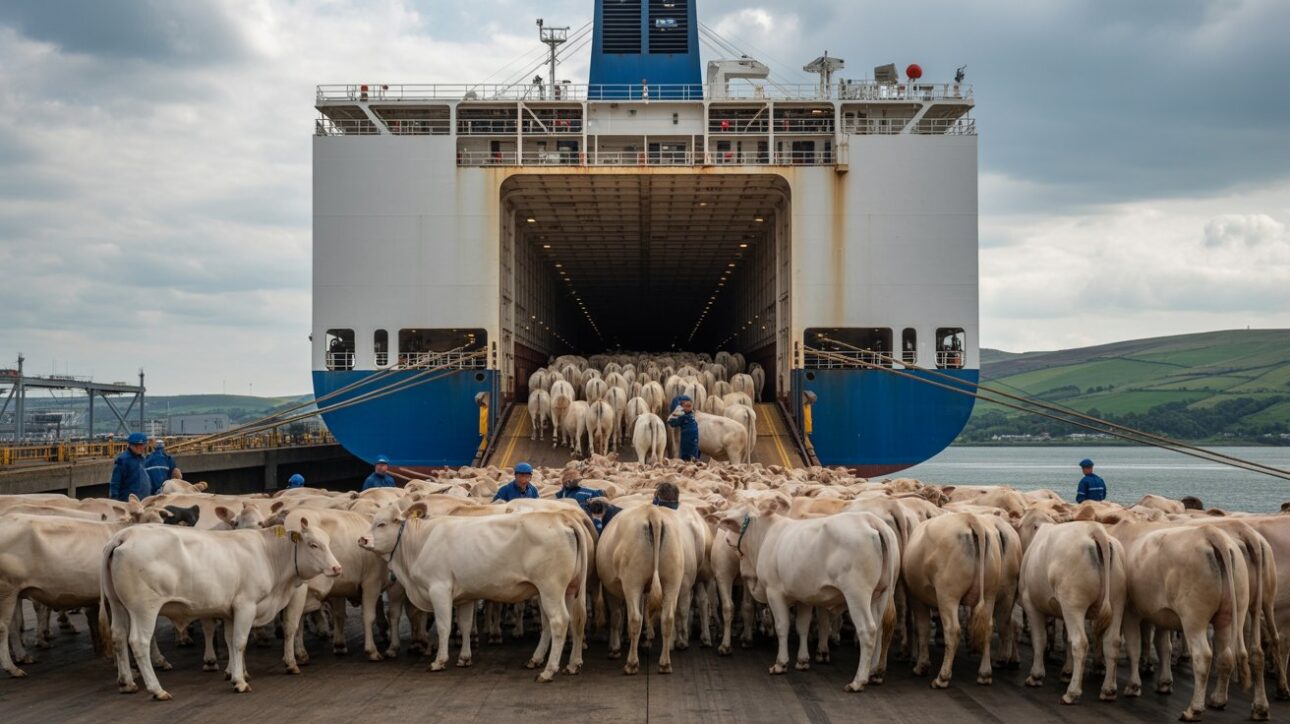
On cargo ships, animals are housed in structures known as “livestock ships,” which can transport up to 20,000 cattle per trip. The vessels are equipped with an automated feeding system, environmental control, and a crew specialized in handling. The journey can last from 7 to 21 days, depending on the route, requiring constant veterinary monitoring to prevent mortality and disease outbreaks.
-
Low-Demand Brazilian Beef Offal Gains Popularity Abroad: Indonesia Purchases $19.5 Million, Boosting Revenue and Reducing Waste

-
Soy Expansion in Former Brazilian Savanna Sparks Water and Land Conflicts in Major Agricultural Frontier
-
Mexican Pest Threatens U.S. Cattle Herds at Historic Lows, Potentially Boosting Brazilian Beef Exports as Burger Prices Soar

-
Avocado Boom for European and U.S. Markets Fuels Water Crisis in Drought-Stricken Chilean Region




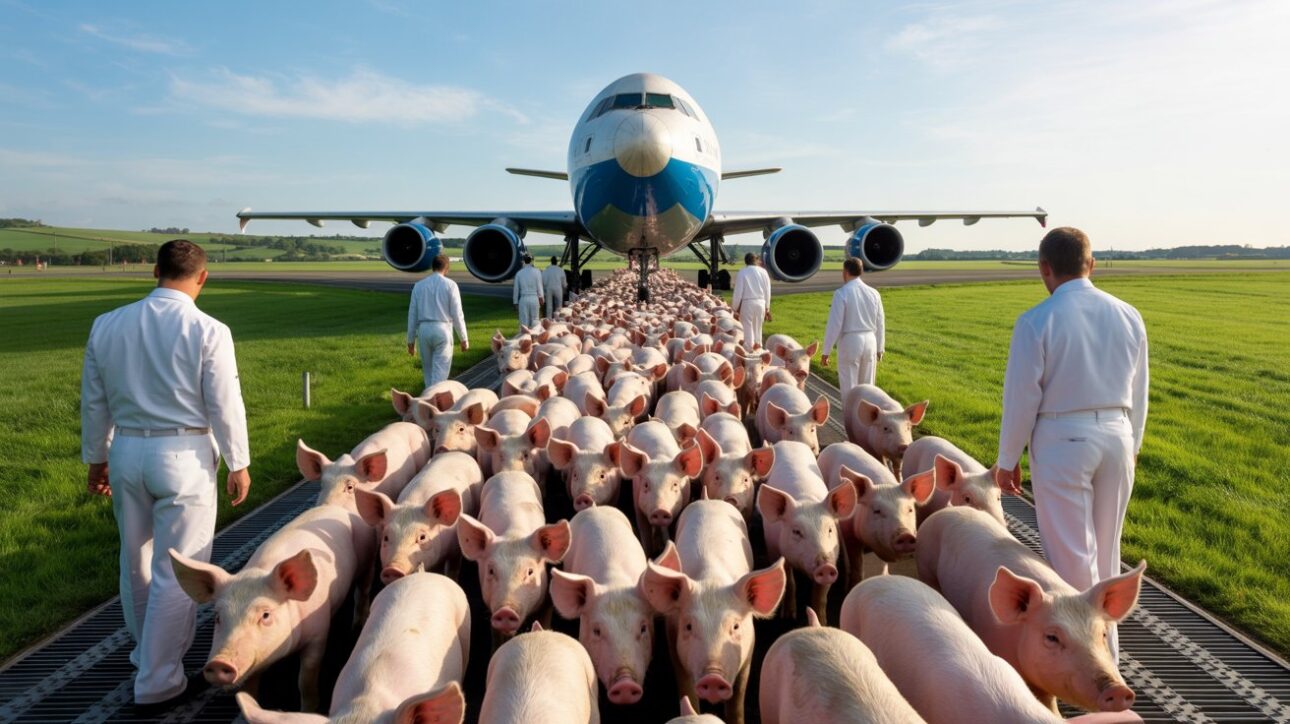
By air, transport is reserved for purebred animals, breeders, or high genetic value cargo. Adapted cargo aircraft receive the animals in individual stalls and have technical support throughout the flight. This mode represents a small percentage of the total volume but is strategic for high-standard zootechnical exports.
Sanitary Control and International Regulations
All modes follow standards established by the World Organisation for Animal Health (OIE), in addition to the import regulations of each country. Brazil, for example, requires an Animal Transit Guide (GTA) and prior laboratory tests for shipments. The European Union, on the other hand, maintains stricter protocols, including traceability and quarantine in specialized centers.
Animal welfare is also an increasing demand. International standards provide for minimum space per animal, rest periods, controlled temperature, and monitoring by qualified veterinarians. Companies that violate these parameters may be fined or suspended from operating internationally.
The logistics structure requires partnerships between transport companies, customs agents, sanitary authorities, and rural producers. Timeliness is crucial, especially in air transport, where delays can compromise live cargo. Moreover, the operation requires synchronization between origins and destinations concerning documentation and reception infrastructure.
Global Growth and New Buyer Markets
According to the Ministry of Agriculture, Brazil exported more than 500,000 live cattle in 2023, particularly to countries in the Middle East and North Africa. Australia is the world leader in the shipment of sheep, while the United States excels in the air export of competition horses.
The information was released by Noal Food, based on official data and reports from the agribusiness logistics sector. As the publication highlights, the trend is for growth in shipments by sea, especially to regions with little local animal protein production.
With this, the international transportation of live animals consolidates itself as an essential link in the global agribusiness chain, interconnecting genetics, trade, and food security on a planetary scale.
How do you see Brazil’s role as one of the leaders in the export of live animals: strategic advancement or a practice that deserves review?





-

-

-

-

-

7 people reacted to this.