






 Portuguese
  Spanish


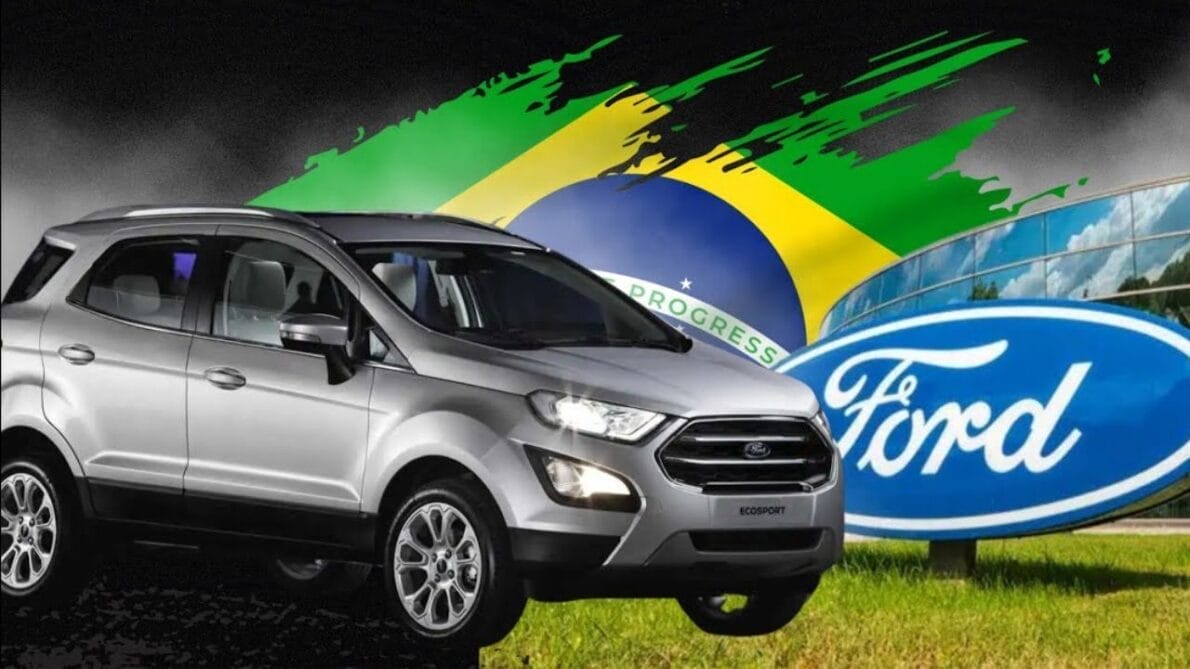

Cars in Brazil Are Known for Being Expensive, But Did You Know That, Without Taxes, They Would Be Among the Cheapest in the World? Ford’s Exit from Brazil Is a Clear Example of How High Tax Burden and Cost Structure Impact the Automotive Industry in the Country.
The tax burden on Brazilian cars is one of the highest in the world. When you buy a car in Brazil, you are paying for a series of taxes embedded in the price. This makes the final cost to the consumer much higher than in other countries.
In Brazil, consumption taxes are extremely high. Approximately 42% of government revenue comes from consumption taxes, while in the United States, this number is only 16%. This type of taxation is considered unfair, as it impacts people of different income levels equally.
To Better Understand, Let’s Use the Example of the Toyota Corolla


In Brazil, the list price of the Toyota Corolla is R$ 185,000. If we remove the taxes, the value for the manufacturer is R$ 122,500. In the United States, the same model costs US$ 27,900, which, without taxes, is equivalent to R$ 140,000 for the manufacturer. In other words, even with the lower final price in Brazil, the manufacturer receives less here than in the U.S.
-
Suitcase-sized hydrogen engine spins at 25,000 rpm, nearly doubling the efficiency of conventional cars and replacing exhaust smoke with water vapor

-
1983 Chevrolet Runs Over 100,000 km Without Gasoline, Powered by Wood Chips, Reaches 125 km/h in Airport Test

-
Workshop Converts Giant Tractor Tire Tricycle into a Three-Wheel Drive Hybrid with 36,000-Watt Electric Motor Capable of Climbing Hills

-
Sales of Brazil’s Cheapest Electric Car Halted Before First Deliveries: E-Motors Suspends Emova Easy Due to Import Tax Increase and Rising Freight Costs




The high tax burden and high costs are factors that hinder the profitability of automakers in Brazil. Ford, for example, sold the EcoSport for R$ 20,000 without taxes in Brazil, while the same car cost US$ 27,000 in Miami. The price difference shows how the tax burden affects competitiveness.
Beyond Taxes, Other Factors Like Inefficient Infrastructure and High Production Costs Also Impact the Operation of Automakers in Brazil, Like Ford
All of this led Ford to decide to cease its manufacturing activities in the country and focus on imports, where it can maintain higher profit margins. The situation of cars in Brazil reflects a tax system that urgently needs reform. The tax reform under discussion proposes a VAT (Value Added Tax) that could reach 27%, the highest in the world. This means that consumption taxation will remain high, further hindering price reductions for the final consumer.
Ford’s exit from Brazil highlights the need for a review of the tax structure to make the market more competitive and attractive for automakers. Until that happens, Brazilian consumers will continue to pay high prices for their cars, and the country will keep losing important investments.
Ford’s exit from Brazil is a warning about the challenges faced by the automotive industry in the country. The high tax burden and production costs hinder the profitability of automakers, directly affecting consumers. Tax reforms are essential to improve this situation and make the market more competitive.








Mas então pq as outras montadoras tb não foram embora?
Conversa fiada essa reportagem, agora Ford é só importante mas não vende nada e é insignificante as vendas da Ford.
Esqueceram de falar que as concessionárias Ford eram péssima em atendimento e o pós venda pior ainda.
Não dez sentido dizer que com o preço menor aqui no Brasil, mesmo assim a empresa fatura mesmo. Isso é óbvio e para ser sempre assim. Estranho seria faturar mais com um preço menor
Mentira.
Fabricantes de veículos estão entrando no Brasil.
A visão da empresa Ford é que aquele governo eleito em 2018 , não favorecia o crescimento de mercado de veículos e deixava claro isso.
Com baixa demanda, a empresa Ford achou por bem deixar o Brasil onde por 102 anos passou por pandemias , guerras mundiais, mas não suportou um desgoverno voltado para uma pequena parcela da população.
O princípio da empresa Ford foi justamente o contrário, onde Henry Ford popularizou o veículo automotor dando condição de compra para os empregados da montadora adquirirem o produto que eles produziam.
Daí veio o sucesso da empresa de Henry Ford