






 Portuguese
  Spanish
 3 min of reading
  0 comments


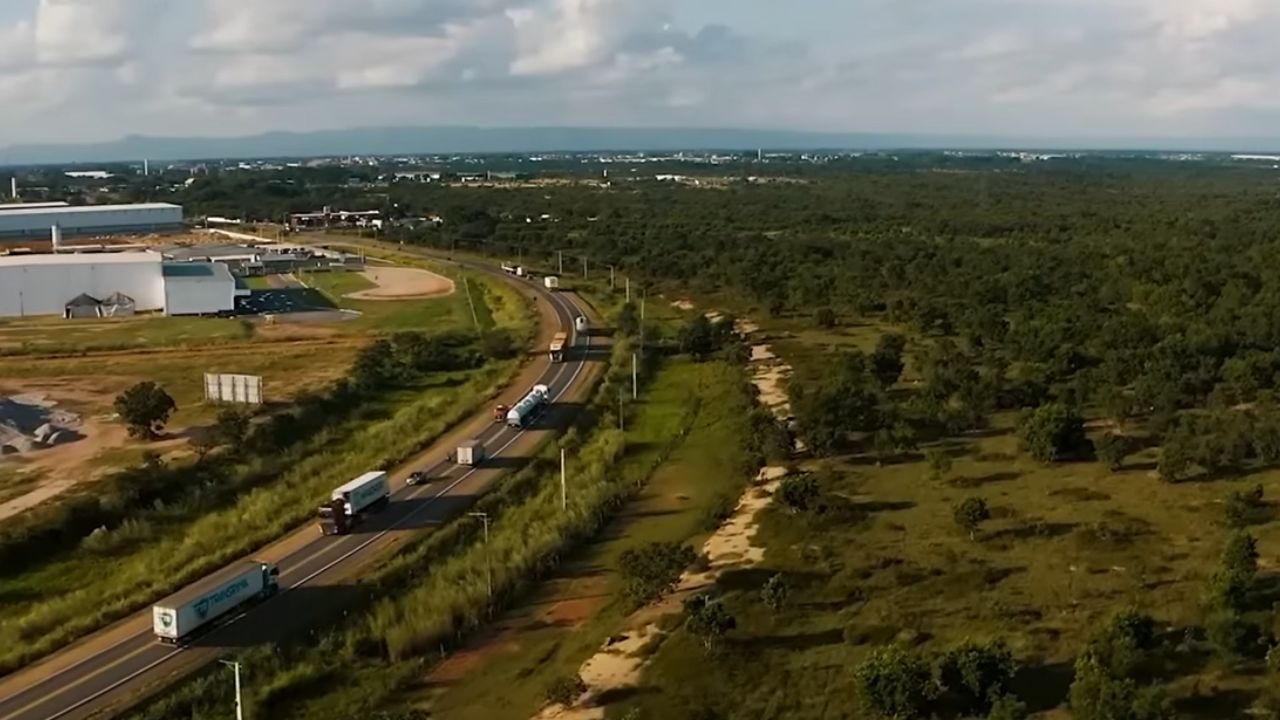
Understand How The State Government Assumed BR-163, Invested Billions, And Is Transforming The Main Road Of Brazilian Agriculture, Improving Safety And Logistical Efficiency.
A strategic federal highway cutting through the heart of Brazilian agriculture was synonymous with neglect for years. Potholes, accidents, and daily losses were the reality. Today, this same road is being transformed into a modern, safe, and efficient route thanks to direct action from the state government. The New Route of the West, a project to restructure BR-163, promises to revolutionize transportation in Mato Grosso.
The Story Of A Strategic And Abandoned Highway
Conceived in the 1970s to integrate the Midwest with Northern Brazil, BR-163 was meant to be the link between grain production and the ports. However, the dream became a nightmare. The road was opened but never received the necessary infrastructure.
Critical sections, such as the one connecting Itiquira to Sinop, were kept under private concessions that failed to meet their obligations. The result was a vital logistical corridor for transportation in Mato Grosso transformed into a path of potholes, delays, and insecurity. Serious accidents, loss of life, and multimillion-dollar damages became routine. Logistical costs rose, and the main road of the state was stuck in time.
-
To halt the advance of the Sahara, the 8,000 km Great Green Wall in the Sahel relies on reforestation to combat desertification, but by 2026 it remains far behind the goal of 100 million hectares.

-
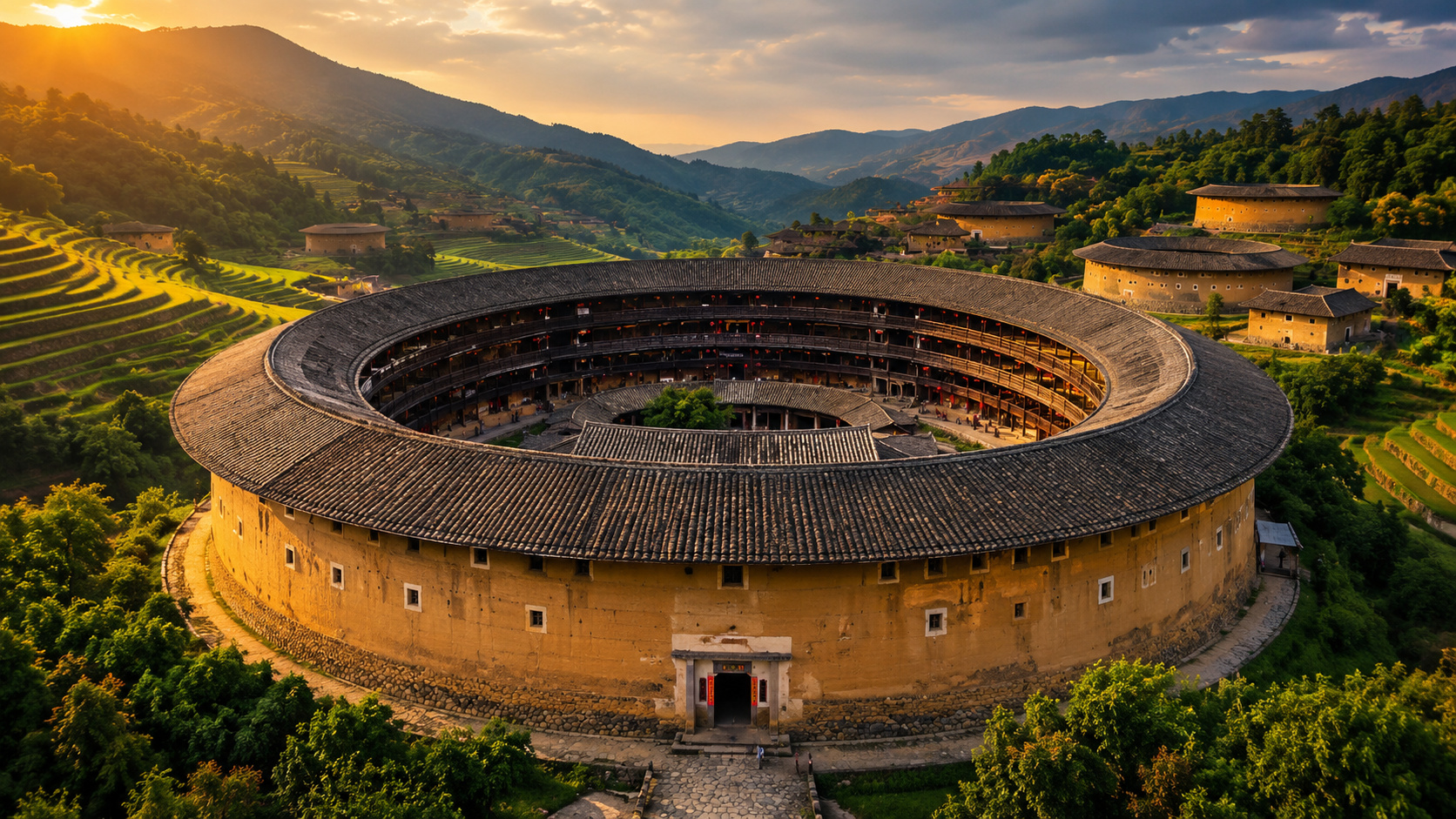
Long before sustainable construction became a trend, China built earthen fortresses with multiple floors, a central courtyard, and the capacity to house up to 800 people living in a community.

-
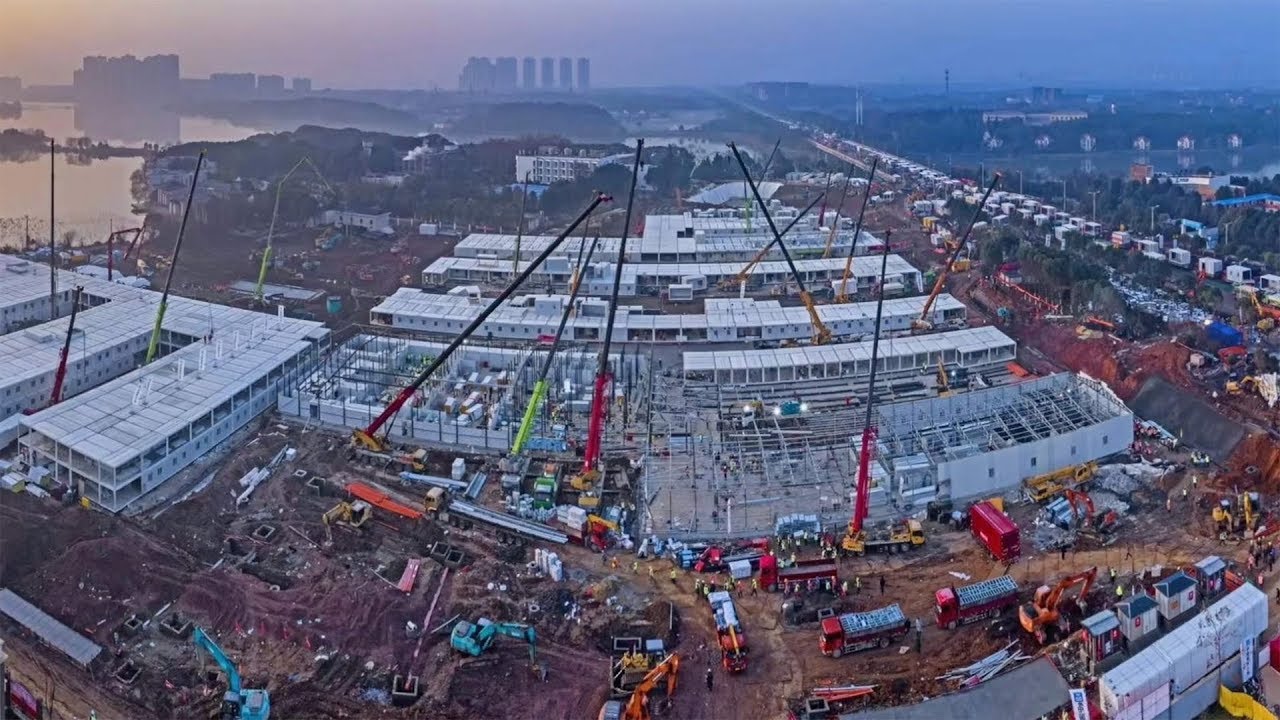
While in the rest of the world building a hospital takes years from design to inauguration, China erected the Huoshenshan Hospital from scratch in just 10 days, with 1,000 beds, foundation, structure, electrical installations, plumbing, and oxygen system ready to receive patients, mobilizing 7,000 workers.

-
Without mortar, grout, or traditional construction: the ClickBrick system assembles brick facades with ceramic pieces held by metal clips, eliminating the need for glue, speeding up installation, and even allowing everything to be dismantled later without turning the construction into expensive permanent debris.


How The Government Of MT Assumed The Concession
The private concessionaire responsible for the section failed. It did not meet deadlines nor delivered the expected works, compromising the competitiveness of agriculture and, more seriously, putting lives at risk. Faced with this scenario, the government of Mato Grosso made a rare and strategic decision in 2023.
The State took over the concession through the public company MTPar. Instead of waiting for a federal solution, it chose to act with its own resources, drafting a clear plan to revolutionize transportation in Mato Grosso: to recover, duplicate, and modernize the entire stretch under its responsibility, turning an ignored problem into a priority project.
What Is Being Done In Practice For Transportation In Mato Grosso?
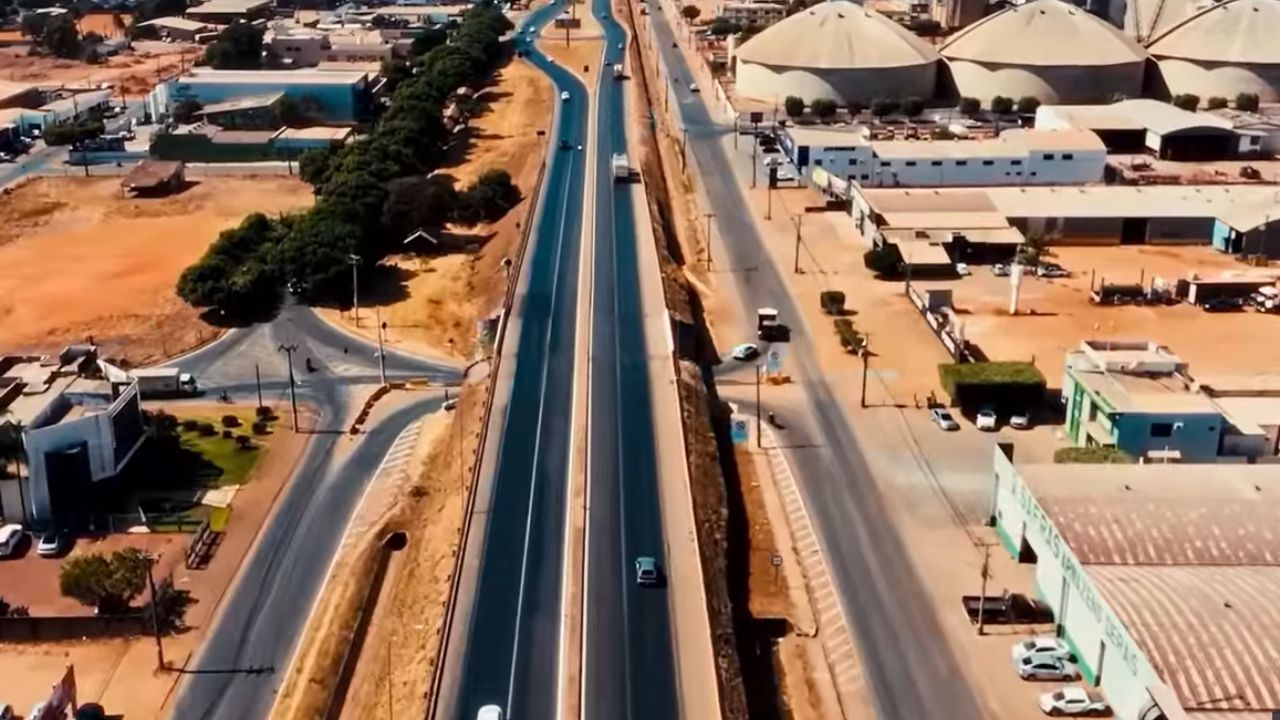
The New Route of the West is not just a name. It is an ambitious plan for a stretch of 850.9 km. Since 2023, over R$ 2 billion has already been invested. The project is predominantly funded by state treasury resources (R$ 1.5 billion) and from FETHAB (approximately R$ 510 million).
Diverse work fronts operate simultaneously, with specific functions such as:
- Duplication of lanes;
- Re-paving (replacement of asphalt);
- Recovery of bridges and intersections;
- Construction of shoulders.
In March 2025, a new contribution of R$ 350 million reinforced the funds to accelerate work at critical points. The project also invests in intelligent signaling, with reflective signs and traffic sensors to monitor speed in real-time in transportation in Mato Grosso.
More Safety And Efficiency In Everyday Life
By early 2025, the effects of the New Route of the West are already visible. What was once a precarious road now shows real signs of transformation. Historically dangerous sections are being prioritized for duplication, which drastically reduces the risk of head-on collisions in transportation in Mato Grosso.
The impact is already reflected in daily numbers. There has been a decrease in accidents, reduced travel time, and fewer losses in the agricultural distribution chain. For truck drivers, the gain goes beyond speed, representing more safety and dignity at work.
The Impact Of The New Route On Agriculture, Society, And Transportation In Mato Grosso
The modernization of BR-163 redefines the role of Mato Grosso In The Economy. The highway is the main corridor for the production of soy, corn, cotton, and beef. With the road in good condition, the effect is immediate: more efficiency, lower costs per ton, and greater attractiveness for new investments.
In addition to the economic impact, the project saves lives. Perhaps the most symbolic message of management is: by taking over the highway, the state government shows that the State can act efficiently when the private sector fails. The New Route of the West proves that it is possible to ensure the collective interest with a public, transparent, and independent model.
With information from Canal Construction Time.




Be the first to react!