






 Portuguese
  Spanish
  2 min of reading
  0 comments


The Need for Energy Efficiency in Green Hydrogen
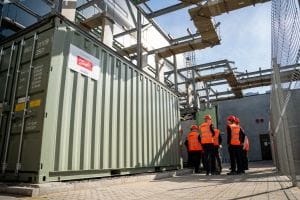
Green hydrogen, recognized as a crucial vector for sustainable energy transition, faces significant challenges that require effective approaches for its production and utilization. With the capacity to drastically minimize our dependence on fossil fuels, it is vital that the production of green hydrogen is managed prudently to optimize its environmental and economic impact.
Strategic Use and Production
The process of converting electricity into hydrogen currently results in an approximately 30% energy loss. However, current technologies offer solutions to reduce this inefficiency. High-efficiency converters can increase the effectiveness of green hydrogen production, resulting in savings that, while seeming modest, could power cities like London for nearly four years with just a 1% increase in efficiency.
Prioritization in Critical Sectors
-
Oil production grows in Rio, but reserve replacement raises a warning sign

-
Petrobras is expected to complete the drilling of the Morpho well in the Foz do Amazonas in August 2026, the first well in the Equatorial Margin, an oil frontier that the ANP estimates at more than 30 billion barrels and could redraw the map of Brazil.

-
Oil returns to the center of concerns with tension between the US and Iran

-
Brazilian scientists are simultaneously advancing two research projects on clean hydrogen and driving solutions that could transform the energy matrix, enhance industrial competitiveness, and accelerate large-scale emission reduction targets.



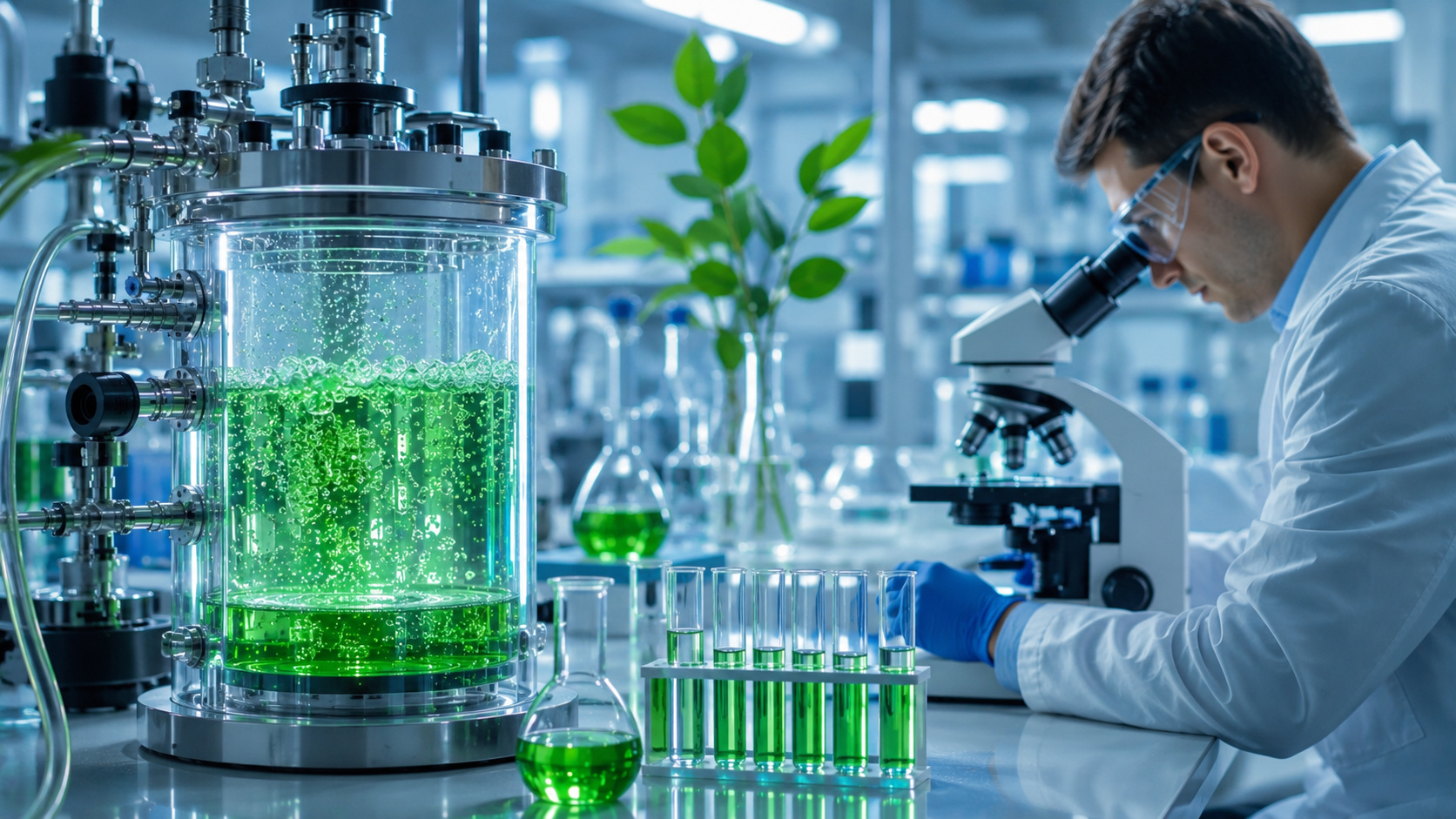
It is imperative to strategically allocate green hydrogen in sectors facing greater challenges for decarbonization, such as heavy industry and long-distance transport. This strategy not only maximizes environmental impact by significantly reducing greenhouse gas emissions but also optimizes the use of renewable energy resources without overloading existing infrastructure.
Sustainability and Efficiency
The sustainability of green hydrogen production directly depends on continuous improvements in energy efficiency. Enhancing electrolysis processes, which currently generate substantial amounts of excess heat, presents an additional opportunity. Recovering this heat can play a vital role, potentially doubling energy use and significantly contributing to home heating, as demonstrated by examples in the European Union.
Challenges and Future Perspectives
Despite the transformative potential of green hydrogen, its large-scale production faces economic and technological barriers that require swift and effective intervention. Projections indicate that the renewable energy production capacity dedicated to hydrogen is expected to grow less than anticipated, putting global climate goals, such as those established by the Paris Agreement, at risk.
Necessary Action and Regulation
The need for an adequate regulatory framework and efficient incentive policies is urgent to facilitate the expansion of green hydrogen infrastructure. This includes ensuring the necessary funding and technological support so that this form of energy not only fulfills its crucial role in the energy transition but is also economically viable.
As we face the challenges of green hydrogen, it becomes clear that a balanced and well-regulated approach is crucial. This strategy will ensure that green hydrogen not only plays its vital role in emission reduction but also establishes itself as a key piece in the global energy puzzle.
Source: Felipe Rariz.


Be the first to react!