






 Portuguese
  Spanish


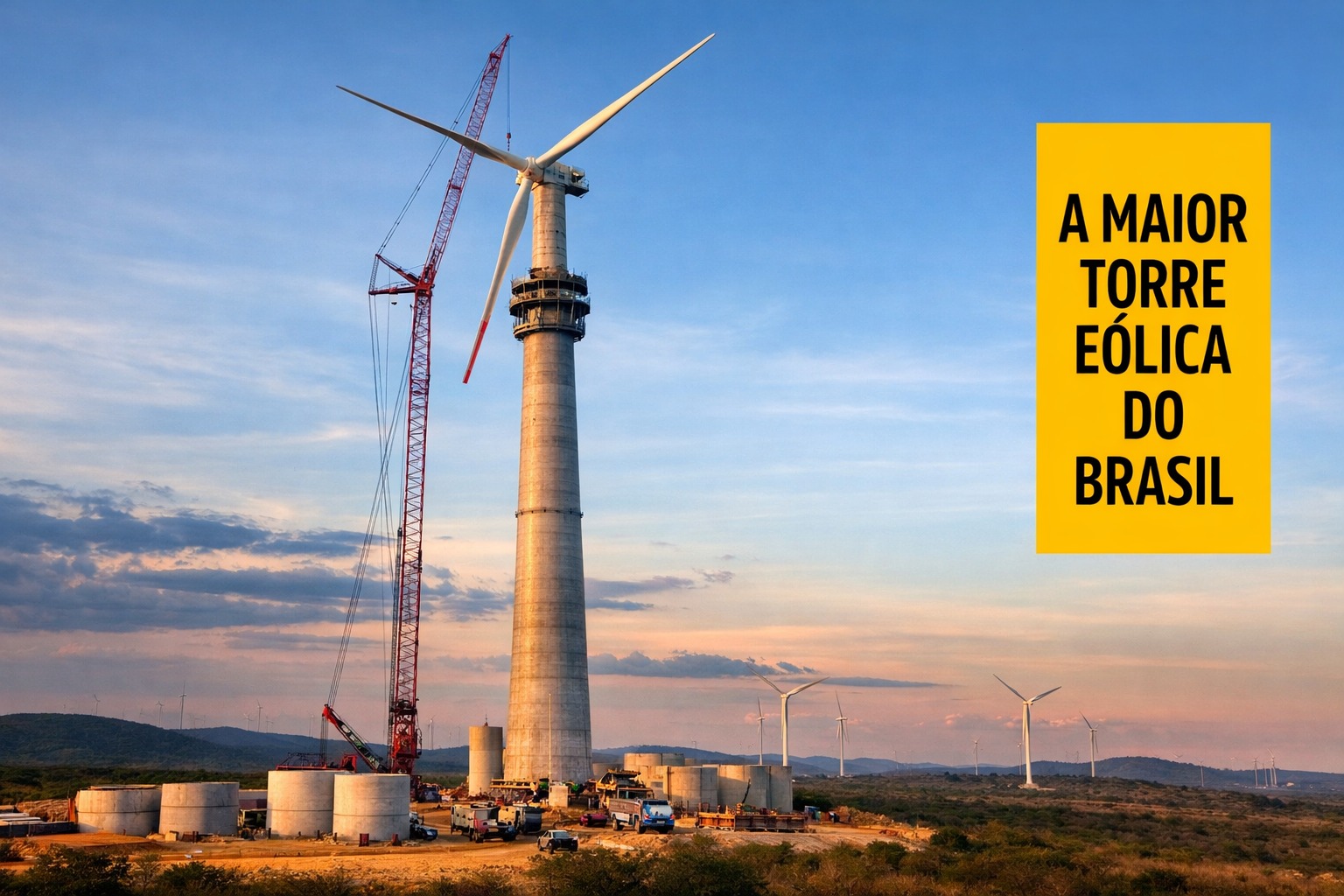

Everest Project: 166-Meter Wind Tower, Total Height of 257 Meters to the Tip of the Blade and Investment of R$ 94.9 Million Marks New Phase of Casa dos Ventos in Brazil
Casa dos Ventos has initiated the Everest Project to develop a 166-meter wind tower, with an investment of R$ 94.9 million, international partnership, and public support, aiming to increase efficiency, reach stronger winds, and enhance the competitiveness of national wind generation.
Industrial Partnerships and Project Scope
The Everest Project involves a partnership with Goldwind, the turbine supplier, and Cortez Engenharia, responsible for executing the work, according to information exclusively disclosed by Forbes Brazil.
The total investment planned is R$ 94.9 million, with support from Finep, linked to the Ministry of Science, Technology, and Innovations, directed towards technological innovation in the energy sector.
-
Brazil filled the Northeast with wind turbines but now faces the side effect of 705 giant blades reaching the end of their lifespan by 2032 just in Rio Grande do Norte, while the world projects 43 million tons of waste by 2050.

-
Brazil has filled the Northeast with wind turbines, but now it faces the side effect of 705 giant blades reaching the end of their useful life by 2032 just in Rio Grande do Norte, while the world projects 43 million tons of waste by 2050.
-
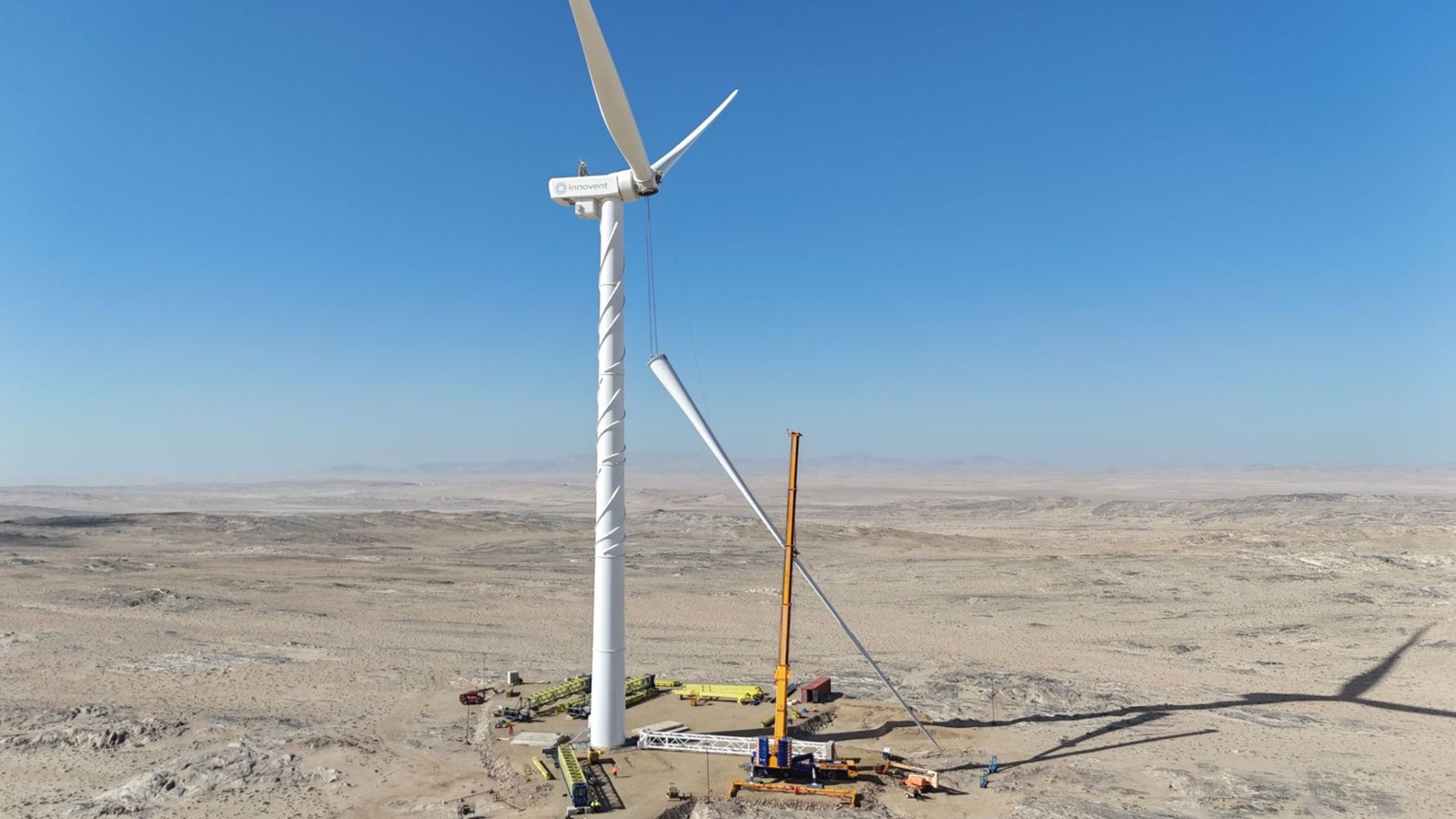
Wind farm in Namibia will have wind turbines assembled without giant cranes and is expected to avoid 200,000 tons of carbon dioxide per year when it becomes operational.

-
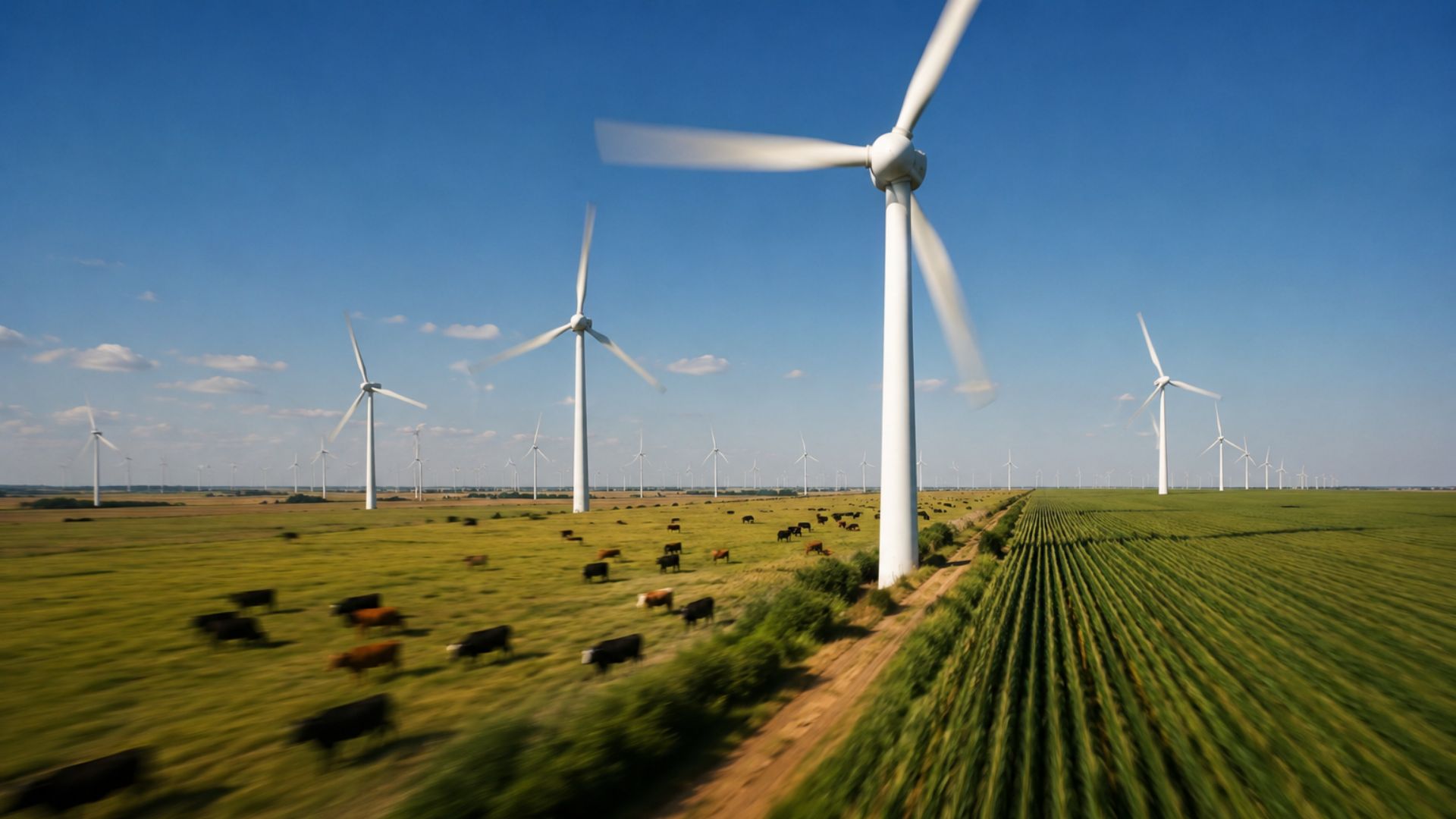
Taller than the Statue of Liberty, thousands of wind turbines are being planted in the middle of U.S. fields, creating two-story farms where corn and soybeans grow below while the wind turns into electricity above.


Unprecedented Dimensions and Structural Reach
The designed tower will be 166 meters tall, becoming the highest ever conceived in the country, according to Casa dos Ventos, expanding access to stronger and more consistent winds.
When considering the measurement from the ground to the tip of the blade, the prototype will reach a total height of 257 meters, an unprecedented milestone in the Brazilian wind energy market.
Concrete Technology and Self-Lifting
The project relies on a self-lifting precast concrete solution, allowing it to reach higher atmospheric layers and increasing the capacity factor of wind farms in different regions.
In practice, the technology reduces installation, operation, and maintenance costs, even in areas with lower potential, while expanding the technical feasibility of the projects.
System That Dispenses Large Cranes
A central differentiator is the self-lifting system, which eliminates the need for cranes over 135 meters, equipment currently unavailable in Brazil for this structural size.
The project also incorporates a groundbreaking solution for joining two pre-assembled semi-towers on an unprecedented scale, reinforcing the technical complexity of the initiative.
Real-Scale Validation and Technological Strategy of the Project
According to Casa dos Ventos, real-scale validation is essential to prove structural performance and enable the adoption of the technology in future commercial projects.
“Innovation is a central axis of Casa dos Ventos’ strategy, and the Everest Project reflects that,” says João Caldas, the company’s Innovation Director.
Strategic Context and Recent Investments
From a strategic perspective, the initiative reinforces the company’s commitment to innovation to enhance the competitiveness of wind generation, amid increasing pressure for efficiency and cost reduction.
The announcement comes after a partnership with Vestas for the Dom Inocêncio wind complex in Piauí, with a capacity of 828 MW and an estimated investment of R$ 5 billion, strengthening its presence in the Northeast and long-term strategy.
With information from Forbes.








