Portuguese
  Spanish


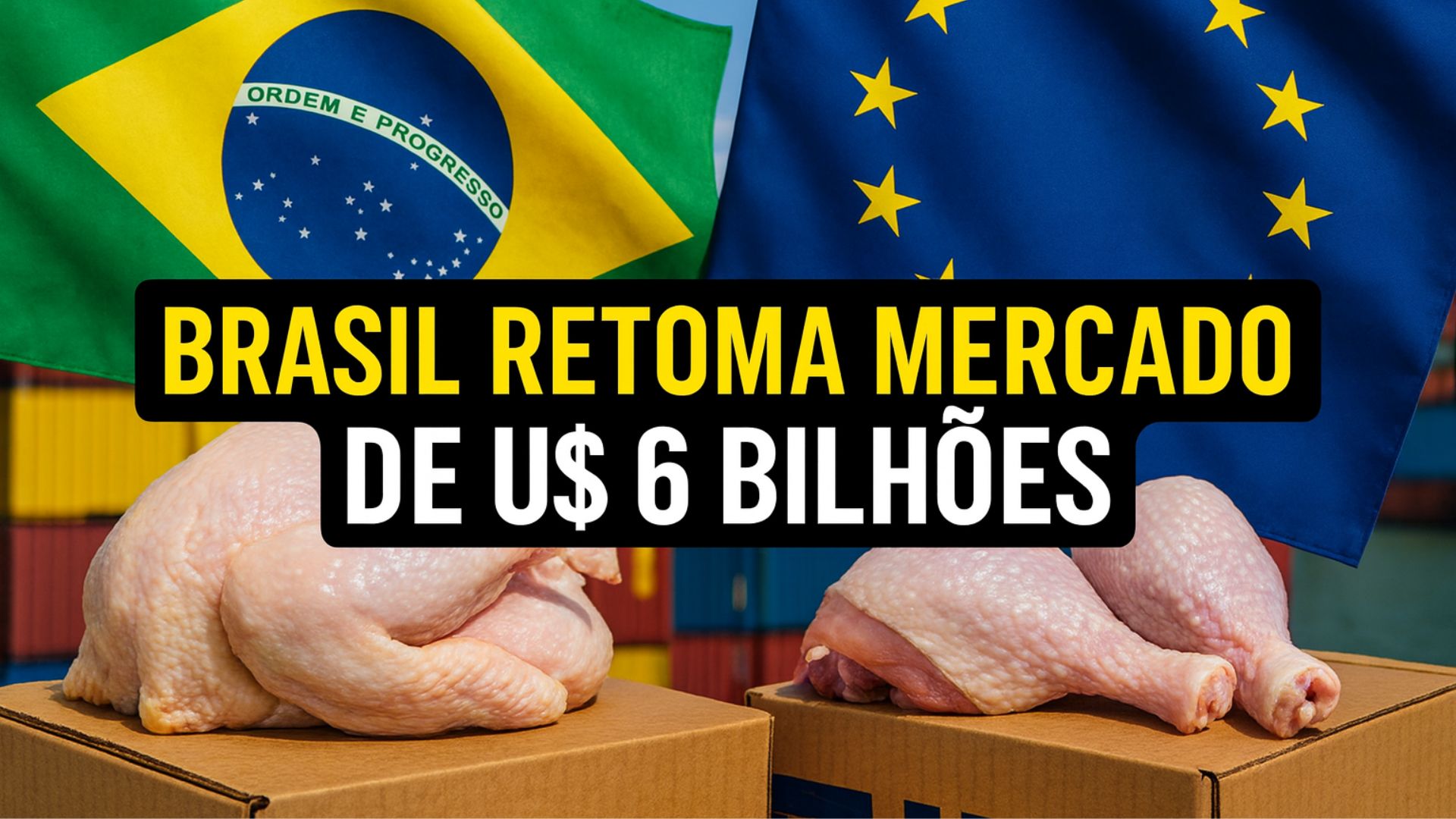


European Union Announces Reopening for Chicken and Turkey Meat from Brazil After Avian Influenza Embargo, a Measure That Moves Billions of Dollars and Reorganizes Exports in Stages Starting in September.
The European Union reopened, on this Monday (September 22), the market for chicken and turkey meat produced in Brazil, ending the suspension that began in May after an isolated case of highly pathogenic avian influenza (HPAI) in Rio Grande do Sul.
The European regulation was published today and comes into effect this Tuesday (23), with immediate clearance for Brazilian products whose production date is from September 18.
How Shipments Will Resume
The readmission will occur in a staggered manner.
-
Brazilian Startup Turns Coffee Grounds into Plant-Based Leather, Cutting Water Use by Over 50 Times for High-Impact Sustainable Fashion

-
Eco Invest Auction Aims to Unlock $10 Billion in Investments, Focusing on Green Fertilizers, Critical Minerals, Batteries, and AI for Clean Industry in Brazil

-
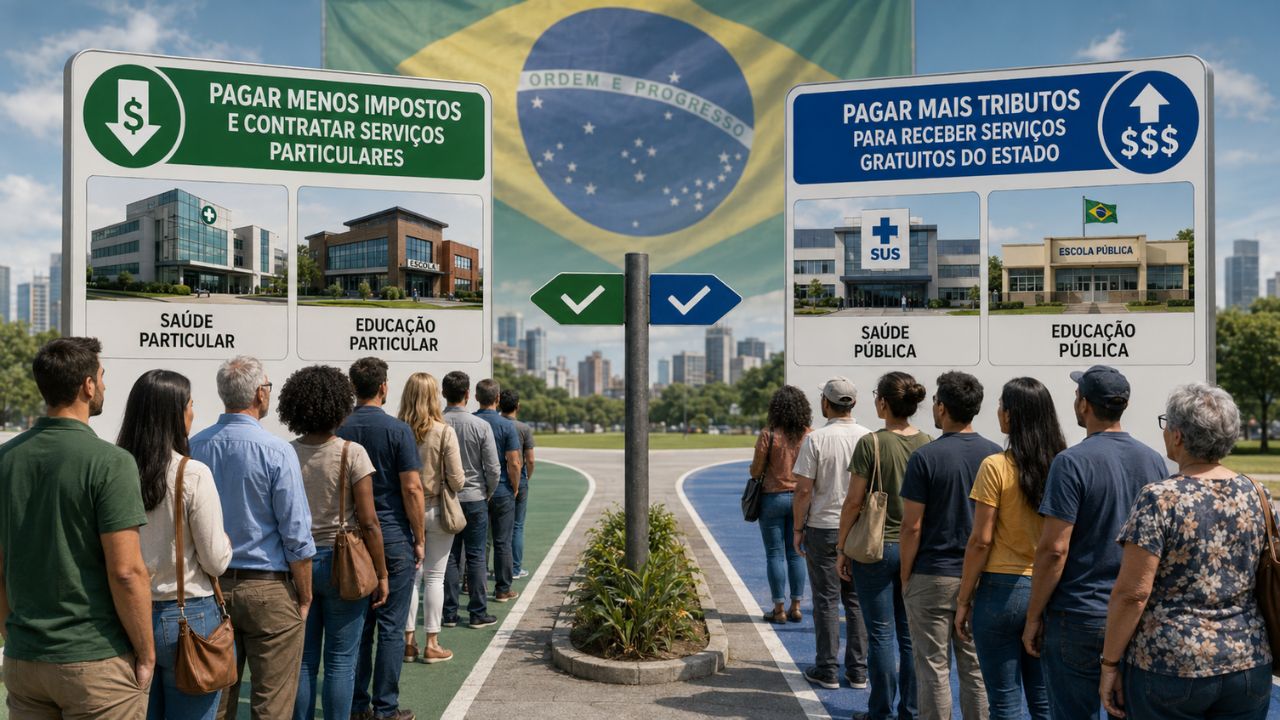
Half of Brazilians Prefer Lower Taxes with Private Health and Education, While 44% Opt for Higher Taxes for State-Provided Services, Datafolha Survey Reveals

-
Brazil’s Most Expensive Toll Rises to R$ 40.60 on Route from São Paulo to the Coast, Nearly Matching Bus Fare to Santos



Throughout the entire Brazilian territory, except for Rio Grande do Sul, shipments can resume with production from September 18.
For Rio Grande do Sul, outside the area where the case occurred, authorization begins on October 2.
In the 10-kilometer radius around the affected farm, exports will be resumed on October 16.
Behind the scenes, the decision reflects the conclusion of negotiations led by the Minister of Agriculture and Livestock, Carlos Fávaro, with the European Commissioner responsible for Animal Health and Welfare, Olivér Várhelyi, on September 4.
The series of stages established by the EU seeks to align the bloc’s health protection with the maintenance of essential trade flows.
What Motivated the Suspension and Why It Ended
The European embargo began in May, after confirmation of an HPAI case in Montenegro (RS), the first in a commercial farm in the country.
Brazilian authorities isolated the area, eliminated the affected flock, conducted cleaning and disinfection, and completed the sanitary void period mandated by international protocols.
Without new records in commercial farms, Brazil regained, in 28 days, its status as free from the disease for commercial birds, a condition recognized by European authorities for the reopening of the market.
In addition to the formal restoration of status, the traceability and sanitary control implemented during the response to the case were decisive in providing predictability to European interlocutors.
As a result, Brazilian companies can resume shipment planning for the bloc, following the defined dates and criteria.
Impact on Trade and Sector Numbers
Although the European Union represents a specific share of the destination for Brazilian poultry, the signal is strategic for the export sector.
From January to August 2025, Brazil shipped 3.28 million tons of chicken meat, generating US$ 6.15 billion in revenue.
These volumes consolidate the country as the largest exporter in the world of the product.
The European reopening tends to unlock contracts and reorganize production schedules in the authorized plants while restoring price references in markets that follow the bloc’s demand.
In some producing regions, especially in the South and Midwest, meatpackers have already been adjusting shifts and logistics in anticipation of the normalization of the flow.
Production Rules and Timeline
In practice, companies need to observe two eligibility keys to meet the EU at this moment.
The first is the production date: only products processed from September 18 may proceed to the bloc, with immediate national clearance, except in Rio Grande do Sul.
The second is the place of origin: in the case of Rio Grande do Sul, the EU has determined an additional safety interval, with exports authorized from October 2 in areas outside the outbreak and, specifically, on October 16 for the 10 km perimeter around the affected farm.
This staggered approach seeks to reduce any residual risk of viral circulation without imposing a broader blockade on the Brazilian industrial park.
At the same time, it offers predictability of dates for freight closures, cargo assembly, and container positioning in ports.
China Audit in Progress
While the European market resumes receiving Brazilian products, today began the technical audit by China in Brazil, aimed at evaluating the sanitary controls related to HPAI.
The mission is considered an essential step for lifting the still existing restrictions in the main individual destination for Brazilian chicken meat.
The assessment includes inspections in meatpacking plants, verification of biosecurity protocols, and documentary analysis of traceability and certification.
Should the audit confirm the robustness of the agricultural defense system, the sector’s expectation is that approvals and reopenings will occur progressively, following the pattern adopted by other trading partners after regaining sanitary status.
Until then, companies are likely to redirect some volumes to already open markets and take advantage of the European reactivation in the coming weeks.
Impacts for Producers and Meatpackers
Integrated and independent producers must follow the reinforced biosecurity standard.
Procedures such as access control, vehicle disinfection, waste management, and daily clinical monitoring remain at the highest level, preventing reintroductions of the virus into the production system.
For the industries, in addition to the sanitary requirements, specific EU requirements regarding animal welfare, batch traceability, and document compliance in the issuance of certificates persist.
The resumption with set dates also allows the reopening of logistical negotiations, adjusting the cut mix for the European consumer profile, and calibrating slaughter capacity according to tariff windows and seasonal demand from the bloc.
Strategic Relevance of the Decision
The normalization of sales to the European Union occurs at a time of recomposition of global protein flows, with impacts on pricing formation and allocation of supply among markets.
In addition to the direct effect on contracts, the European movement reinforces confidence in Brazilian sanitary safeguards, after a specific event that was contained and resolved within the timelines recognized by international organizations.
For the European consumer, the measure expands supply options.
For Brazil, it restores a channel for disposal that helps to modulate stocks and stabilize manufacturing schedules.
The next step, closely observed by the sector, is the conclusion of the Chinese audit, with the potential to consolidate full market recovery throughout October.
Finally, with the EU back on the map and the calendar of September 18, September 23, October 2, and October 16 defined, producers and exporters are already working to meet timelines and certification deadlines.