






 Portuguese
  Spanish
  5 min of reading
  0 comments


The story of a family recipe in Serrania shows how homemade production, direct sales, and intergenerational management transformed corn cakes into a business with interstate reach, a monthly turnover of six digits, and presence in different regions of the country.
Created in Serrania, in the south of Minas Gerais, Pamonharia Cabocla Tereza transformed a family recipe for corn cakes into an operation that earns about R$ 250,000 per month, produces 1,500 units per day, and sells to different regions of the country.
The journey began in 2007, when Tereza Moreira Miguel, a retiree and mother of five, started preparing the food to supplement the household income, using a recipe kept in the family’s memory as a reference.
According to a report published by Jornal Correio, the foundation of the business came from Tereza’s memory of the preparation made by her mother on the farm, before the production gained scale and business structure.
-
An 18-story human anthill was hidden 85 meters below Turkey: the underground city housed up to 20,000 people, had tunnels, rooms, passages, and ton-heavy stone doors, and was only rediscovered when a man broke a wall inside his own house.

-
The shortcut that Greece dreamed of for 2,000 years cuts through a strip of rock in the Mediterranean, connects two seas, and still impresses ships that pass squeezed between the stone walls.

-
Traffic sign with two cars together, white background and four diagonal lines: see what it means
-
Carrefour chain exits, and a new supermarket chain enters with R$ 25 million in a traditional building, generating 150 jobs and a plan of R$ 433 million to grow in wholesale retail in Porto Alegre.



With direct sales to consumers, the corn cake moved from the home kitchen and began circulating in the region in small quantities, until it attracted family participation and paved the way for a more organized operation.
Family corn cake recipe became a company in Serrania
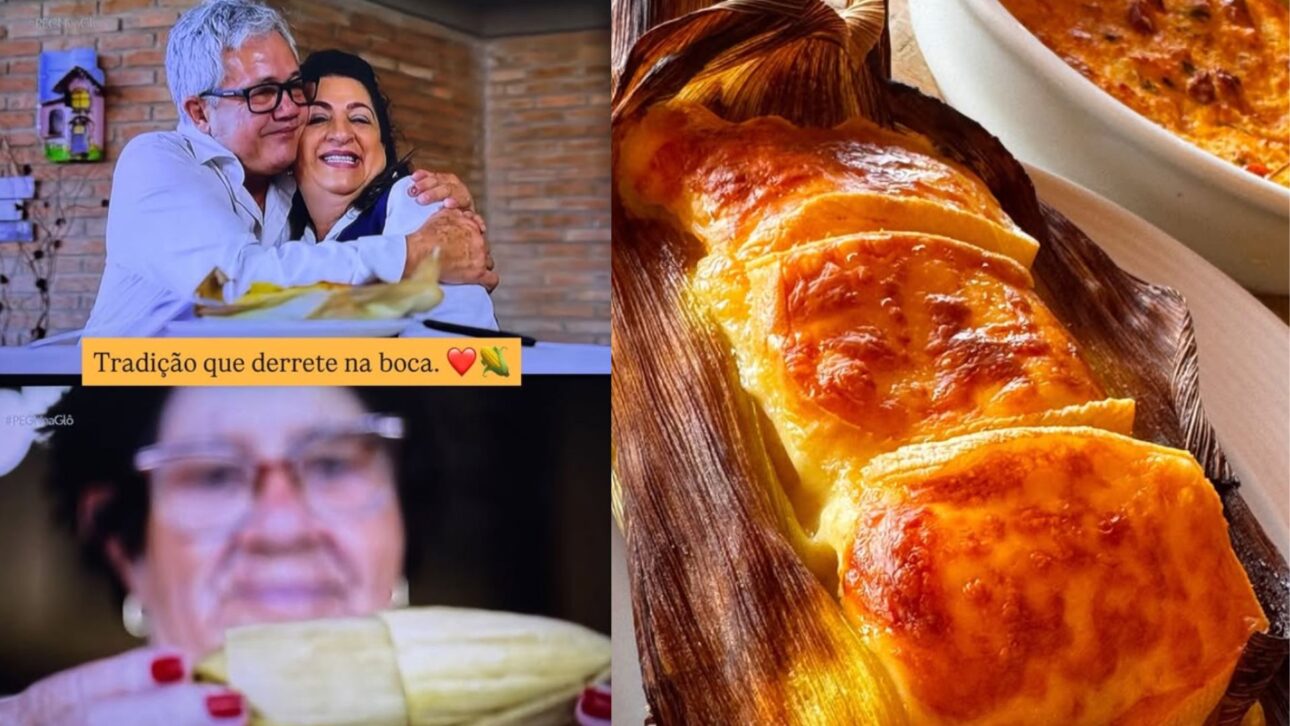
Before becoming a brand known outside Minas Gerais, the product was made on a small scale and depended on door-to-door sales, a model that brought Tereza closer to the first customers.
In a statement reproduced by Correio, Tereza told g1 that she remembered her mother preparing the recipe and decided to sell when “the situation got tight,” during a phase of financial need for the family.
The turning point came when her son-in-law, Ildeu Vieira, proposed turning the homemade production into a corn cake shop, an idea that initially met resistance but was eventually accepted by Tereza and her daughter, Nádia Miguel.
To bring the plan to life, the family invested R$ 150,000 in opening the company and began organizing production with more planning, keeping the traditional recipe as the starting point of the business.
In the early years, the corn used in the pamonhas was planted by the family itself, which helped control the raw material, preserve the product’s standard, and reinforce the brand’s connection to the rural origin of the recipe.
With increased demand, partner producers began supplying part of the corn, expanding production capacity without distancing the company from concerns about the quality of the husk, flavor, and texture.
Corn, husk, and logistics supported the expansion of the pamonha business
Expanding the pamonha business required more than increasing the number of units produced, as the choice of corn remained decisive in ensuring an adequate husk and a recipe capable of maintaining the standards of the early years.
In one of the sources consulted, Ildeu stated that the family traveled up to 900 kilometers in search of corn with the necessary standard, highlighting the importance of the raw material for the product’s identity.
Another significant advancement came from the solutions adopted to increase the pamonha’s durability, especially in an operation that needed to move beyond local sales to reach consumers in other cities and states.
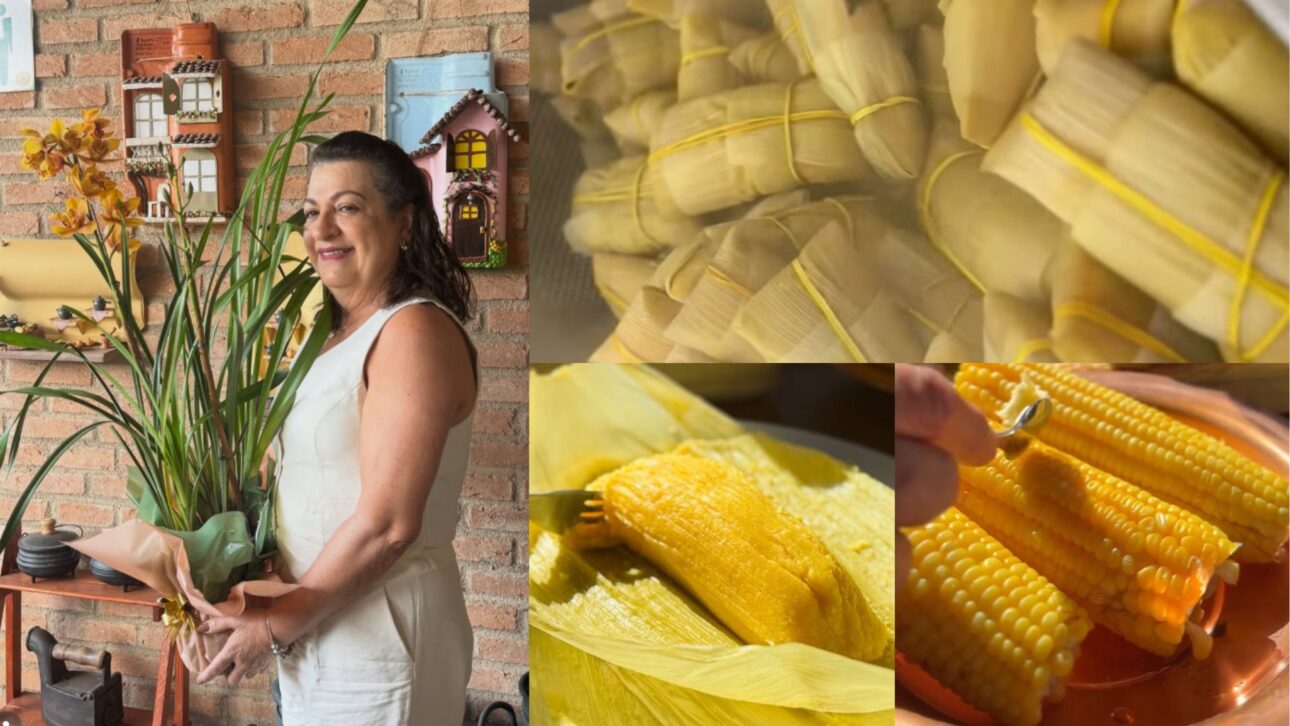
Among the changes, the company began sterilizing the husk, using vacuum packaging machines, and freezing a significant portion of the production, a combination that allowed for commercial expansion without abandoning the traditional format of the food.
Today, about 85% of the pamonhas are frozen, a resource that facilitates transportation, reduces distribution limitations, and helps explain the brand’s presence in Minas Gerais, São Paulo, Rio de Janeiro, Curitiba, and Salvador.
Production remains concentrated in Serrania, but sales to other markets have allowed the brand to surpass the local business profile, bringing the family recipe closer to consumers who previously would not have access to the product.
Menu with corn expanded the brand’s presence
With the factory in operation, the company expanded the menu and began offering other corn-related items, such as curau, corn cake, coffee, and juices, strengthening its profile as a stopover point for regional customers.
The variety also grew within the main product, as Nádia Miguel stated to g1, in a statement reproduced by Correio, that the company reached 12 flavors of pamonha, maintaining the mother’s recipe as a base.
This combination of family tradition, productive structure, and market adaptation helped sustain the brand’s growth without turning the homemade origin into just a detail of the commercial narrative.
Management remained within the family, with Tereza’s grandchildren working in areas such as logistics and marketing, roles that gained more importance as the pamonharia expanded production and distribution.
In practice, the entry of new generations helped organize sales, promotion, and product circulation, preserving the emotional connection with the recipe while the company adopted more professional methods of operation.
Beach tennis increased activity at the factory
Next to the factory, the construction of a beach tennis court became a strategy to attract visitors and bring consumers closer to the brand, in an initiative that combined leisure, food, and in-person experience.
According to published information, the action increased local activity by 30%, reinforcing the factory as a customer traffic point and expanding the spontaneous promotion of the pamonharia.
Everton Vieira, Tereza’s grandson, stated that customers play, try the pamonha, and help promote the product to others, creating a dynamic that goes beyond the traditional counter purchase.
Besides commercial diversification, the factory adopted practices aimed at utilizing resources used in production, such as using solar energy and reusing corn waste for animal feed production.
The contrast between the artisanal beginning and the current scale helps explain the prominence of Tereza Moreira Miguel’s journey, who went from direct sales to a family business with a six-figure monthly revenue.
The production created as a supplementary income became a business that employs 22 people, distributes products to five states, and maintains the family recipe as the basis of an already structured operation.
Even with professionalization, the homemade identity remains at the center of Pamonharia Cabocla Tereza, sustained by a recipe learned in the family and by conservation, logistics, and promotion techniques incorporated over time.
For Tereza, pamonha represented more than a source of income, as the consulted reports associate the business with autonomy, raising children, and achievements built with the participation of different generations of the family.





Be the first to react!