






 Portuguese
  Spanish


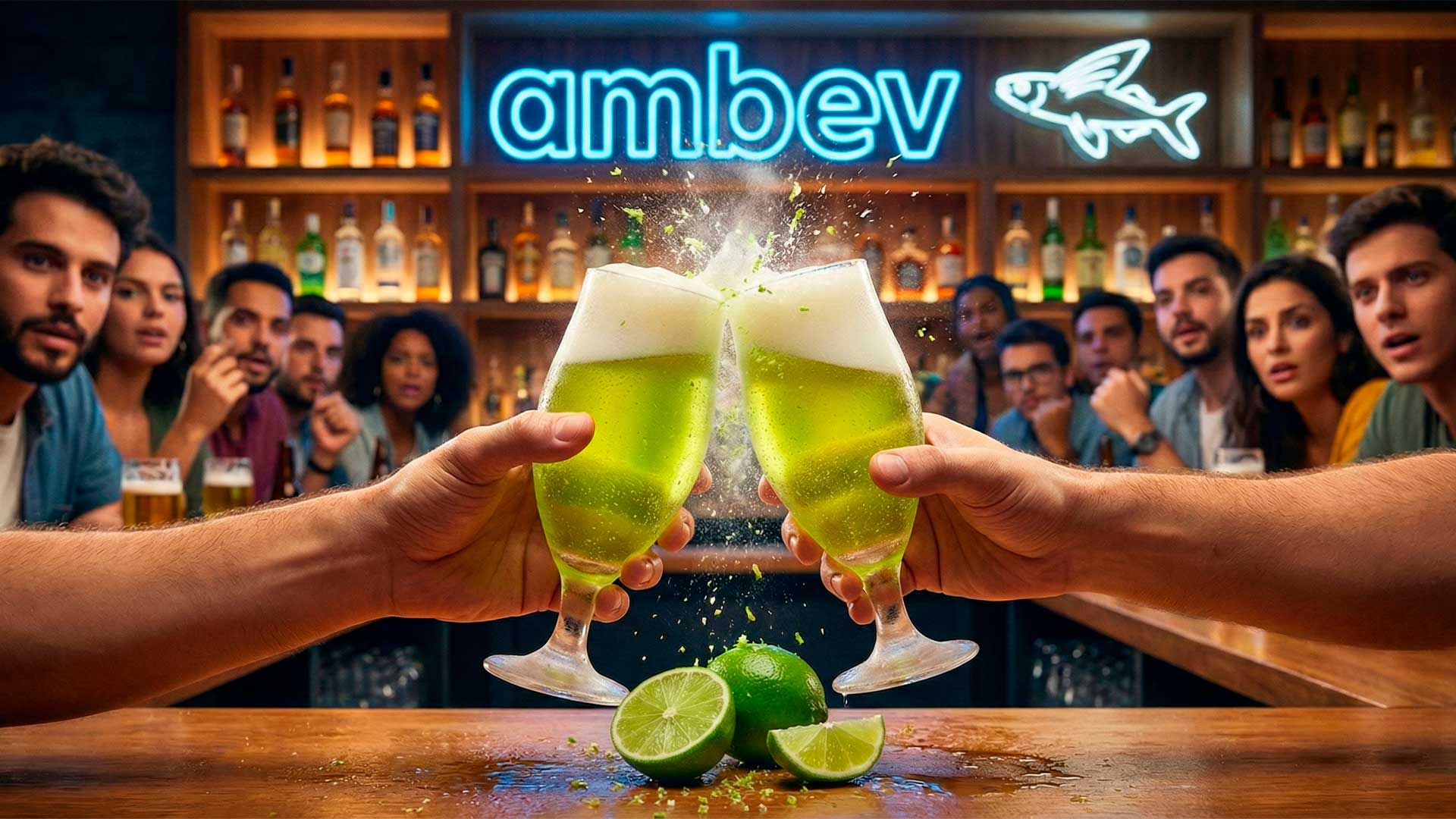


Ambev Begins In Southern Brazil The Launch Of Flying Fish, Premium Citrus-Flavored Beer With Low Bitterness. The New Product Integrates The Beyond Beer Strategy, Which Seeks To Attract Consumers Who Do Not Identify With Traditional Beers And Test New Beverage Formats In The Southern Summer.
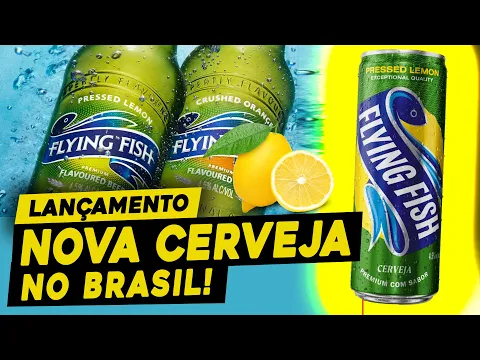
Ambev has started distributing in the South of the country the Flying Fish, a new premium beer with lemon flavor, light and low bitterness. The proposal is to win over those who enjoy a refreshing alcoholic beverage but avoid the intense taste of conventional beers.
According to industry portals, the launch is part of a company offensive to expand the consumption of flavored beers in Brazil.
Ambev’s lemon-flavored beer initially reaches Paraná, Santa Catarina, and Rio Grande do Sul, in a public acceptance testing phase.
-
Brazilian Brothers Transform Dairy Business into Latin America’s Best Cheese, Boosting Revenue from $80,000 to $4 Million

-
He Left Construction, Partnered with His Wife, and Turned a Homemade Gelato Hobby into Brazil’s Largest Chain with 240 Stores and $100 Million Annually
-
Brazil Faces Caregiver Shortage Despite Having 34.1 Million Elderly, Highlighting a Major Challenge for Families
-
Brazil’s Assaí Generates $4 Billion in Quarterly Revenue, Profits $16.7 Million, Highlighting High Tax Burden


The region was chosen for its strong beer culture combined with a summer event calendar and significant tourist circulation. According to company executives, the South serves as a showcase to later evaluate a possible national expansion.
The official presentation of Flying Fish in the South took place on October 24 at the +55 Bar in Curitiba, in a party with DJs from Make U Sweat, singer MC Davi, and an audience focused on entertainment and lifestyle. The event marked the first Flying Fish Party in the region and reinforced the idea of connecting the drink to music, parties, and summer experiences.
Originating from South Africa, where it was launched in 2014, Flying Fish is already considered one of the main brands of flavored beers in that market. Now, Ambev brings the label to Brazil as part of its international portfolio and innovation strategy for lighter and fruitier beverages.
Launch Of Flying Fish In Southern Brazil Shakes Up Flavored Beer Market
In Brazil, Flying Fish is initially introduced with a lemon flavor, described as citrusy, refreshing, and low in bitterness. According to the Noticenter website and other regional outlets, the initial distribution focuses on large supermarket chains, bars, nightclubs, and convenience stores in the three southern states, in addition to the Zé Delivery app.

The beer is being sold in long neck bottles of 330 ml and cans of 350 ml and 473 ml, positioned in the flavored premium beer segment. The idea is to compete with both other beers and ready-to-drink cocktails and hard seltzers, which are growing among young and urban consumers.
Experts in the beverage market highlight that the exclusive launch in the South allows for measuring results in a competitive environment that is open to novelties.
If the reception is positive, the trend is that Ambev will gradually expand the presence of Flying Fish in other regions, repeating the strategy used with brands like Beats and Mike’s.
Ambev’s Beyond Beer Strategy And The Audience That Avoids Beer Bitterness

Flying Fish is part of the Beyond Beer unit, created by Ambev to manage beverages that go beyond traditional beer. A report from Expo Supermercados notes that this branch includes ready-to-drink cocktails like Beats and Mike’s, as well as wines, energy drinks, isotonic beverages, and soft drinks, aiming to offer “beverages for all occasions of consumption.”
According to recent interviews, about 20 percent of Ambev’s revenue already comes from products that were not part of the portfolio a few years ago, a direct result of this diversification strategy.
The Beyond Beer division has also shown consistent growth within the parent company AB InBev, demonstrating that the appeal of sweeter, lighter, and functional beverages is gaining traction among young audiences, particularly Generation Z.
In the specific case of Flying Fish, marketing director Thais Soares states that the launch is a result of an intense process of active consumer listening. According to an interview published in regional business outlets, over 500,000 people participated in surveys that generated millions of opinions to guide the development of new labels and flavors.
The executive explains that the objective is to cater to an “incremental audience,” made up of people who did not feel represented by traditional beers.
Consequently, Flying Fish positions itself as an entry point for those who prefer less bitter beverages but do not want to forgo the ritual of toasting with a beer.
Experiences, Parties, And Summer: How Flying Fish Wants To Become A Symbol Of The Season
The launch of Flying Fish was not restricted to the shelves. According to Noticenter, Ambev organized simultaneous parties in renowned nightclubs in the South, such as +55 Bar in Curitiba, P12 in Florianópolis, and Boske in Porto Alegre.
In each city, line-ups with DJs and funk, electronic, and pop artists helped associate the brand with a summer, beach, and party atmosphere.
The activations include controlled tastings, Instagrammable spaces, and marketing actions aimed at those over 18. Alongside the parties, the company launched a “Flying Truck”, a themed truck that circulates through beaches, points of sale, and urban areas, offering product samples and reinforcing the idea of discovery and surprise.
This type of experiential strategy seeks to transform the beer into part of a lifestyle, not just an impulse purchase. Flying Fish appears alongside DJs, influencers, sunsets, and summer events, reinforcing the image of a light drink for relaxation moments. The communication strongly works with elements like color, music, and atmosphere, in addition to the citrus flavor of lemon.
Analysts remind us that Brazil has become a true global laboratory for Ambev’s innovation in drinks beyond beer.
Specialized reports highlight that the country concentrates product launches of functional and flavored beverages, which can later be taken to other AB InBev markets if they perform well.
Flying Fish serves as an important test to measure the potential of lemon-flavored beers and low bitterness, in a country where the taste for sweet and mixed drinks is rapidly growing. If acceptance is confirmed, consumers may see more options for citrus, fruity, and hybrid beers, further blurring the lines between beer, ready-to-drink cocktails, and adult soft drinks.
Do you think that lemon-flavored beer is a welcome innovation or does it undermine the style? Do you believe Ambev is right to focus on sweeter and lighter labels, or do you prefer the classic bitterness of pilseners and IPAs? Let us know in the comments if you would try the new product, if you consider the Beyond Beer strategy an advancement, or if you see this trend as a risk to beer tradition in Brazil.







Precisa vir para o interior de São Paulo-Araçatuba!!!
Quanto mais opções de cervejas , melhor. Gostaria de experimentar essa e que venha outras frutadas
Sou Sommelier de cervejas.Não vejo boa ideia não.Os jovens querem cervejas mais complexas e amargas.