Portuguese
  Spanish



Multinational Companies Chevrolet, Volkswagen, and Fiat Treat the Incident as a Suspension, Not a Definitive Termination of Production in Brazil.
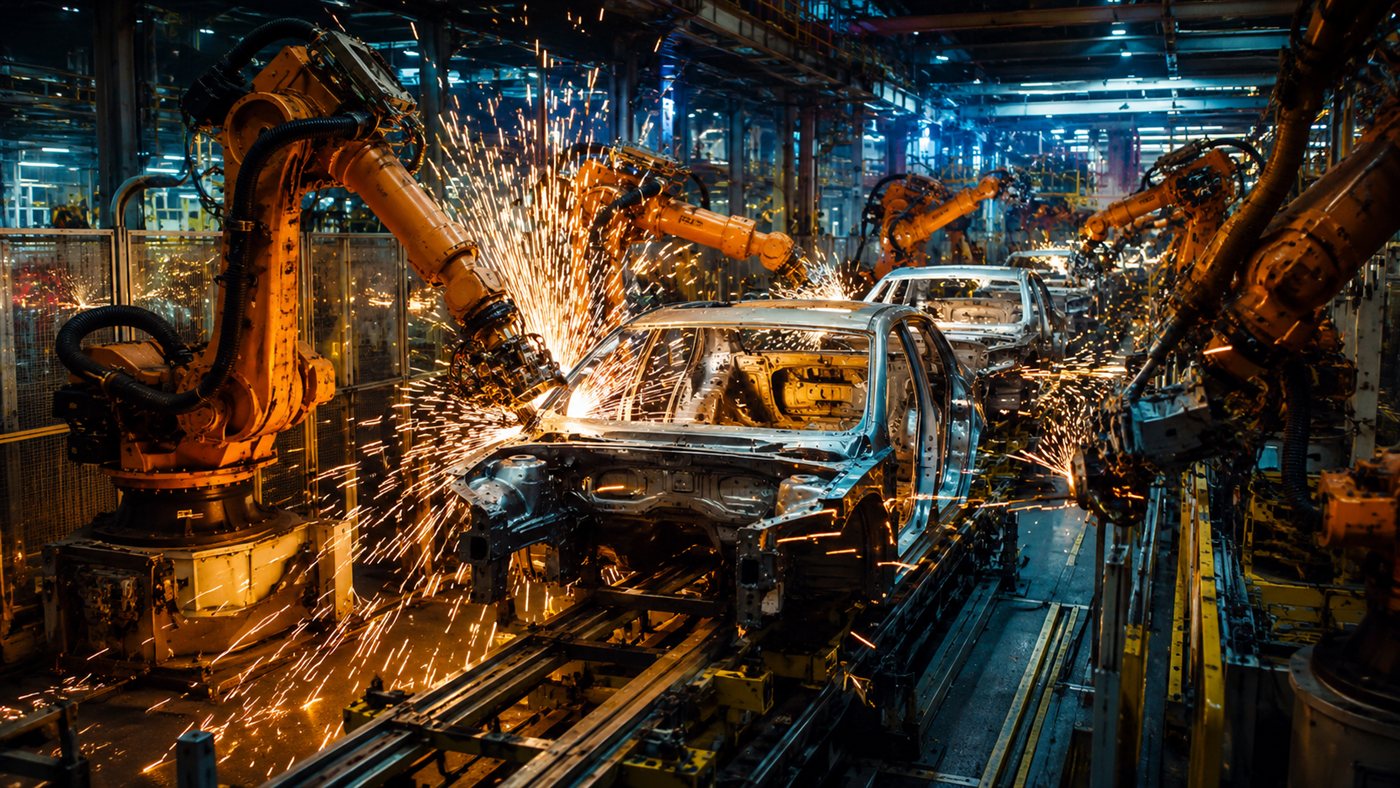
After the departure of automaker Ford from Brazil, the global supply crisis and the pandemic caused automobile factories like Chevrolet, Honda, Audi (Volkswagen), Scania, Volvo, and Mercedes-Benz, Renault, and Nissan to suspend vehicle production, it reached the Fiat automaker, and the automotive industry in the country may collapse.
Read Also
- The South Korean Multinational Giant LG Closes Factory in SP and Lays Off Nearly a Thousand Workers
- Ford’s Exit from the Country Causes the Biggest Drop in Industrial Production in Bahia State
- Ford Will Have to Pay at Least R$ 130 Thousand to Workers Laid Off for Halting Vehicle Production and Closing Its Factory in SP
- Renault and Nissan Are Moving to Halt Vehicle Manufacturing and Close Their Factories in Brazil, Says Carlos Ghosn
- After Ford, Chevrolet, Honda, and Audi Reduce or Halt Production of Vehicles in the Country, the Multinational Bosch Moves Manufacturing from the US to Curitiba
- After Halting Production of the UP!, Volkswagen Places Over 2000 Employees from Its Factory in SP on Collective Vacation
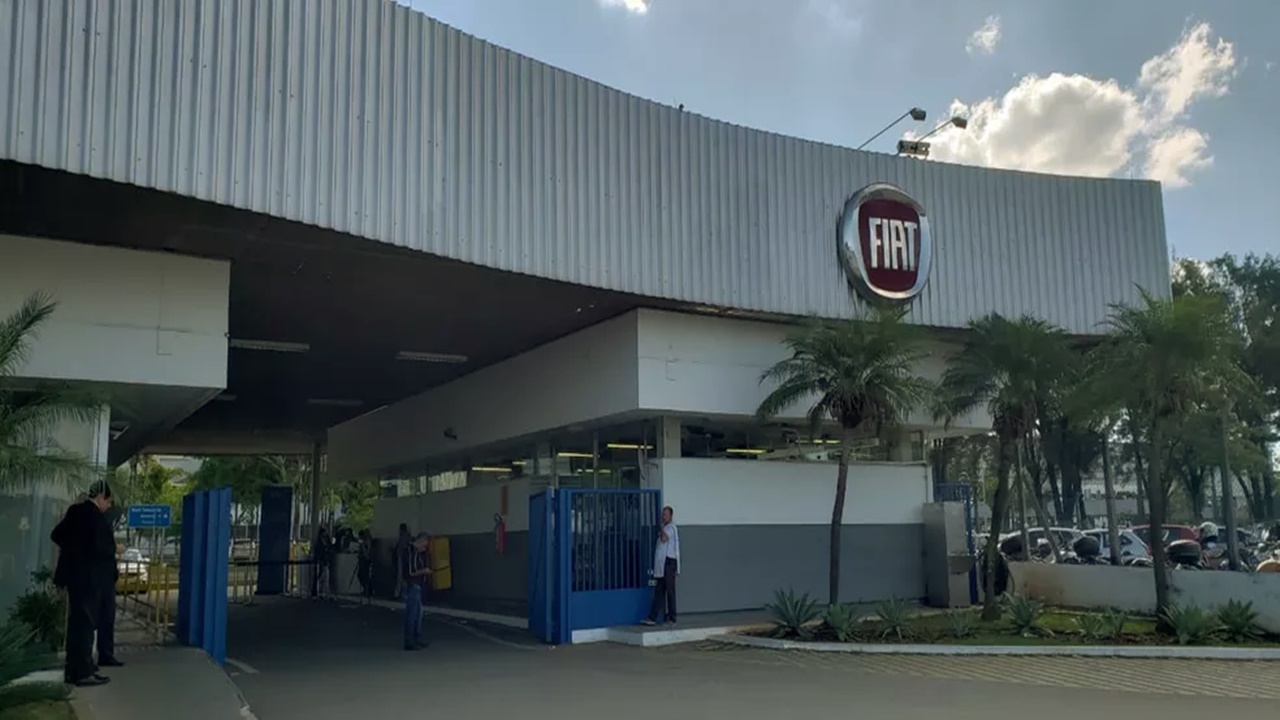
Last Monday, it was the turn of the Fiat factory in Betim to Halt its Second Production Shift Due to Lack of Supplies, Leading 1900 Employees to Take Vacation for an Initial Period of 10 Days.
Fiat did not disclose the volume of vehicles that will not be produced nor the most impacted models in this suspension. In March, the automaker also had to interrupt production for the same reason.
-
China Constructs Artificial Island 32 km Offshore for Yangshan Port, Connected to Shanghai by 32 km Bridge, Unloading 3,000 Containers in 20 Hours

-
China’s $70 Billion River Diversion Project, the World’s Largest, Moves 44.8 Billion Cubic Meters Annually, Crosses Under the Yellow River, and Displaced 330,000 People
-
Indian Driver Spends 14 Years Digging 10-Meter Tunnel Through Mountain to Connect Isolated Village to the World

-
72 m² Prefabricated Home Arrives in a Container and Assembles in About an Hour



Fiat and Chevrolet Face Similar Problems Due to Component Shortages
The automotive market shows signs that it will still face difficulties in regaining the sales pace of the pre-pandemic period, and automobile manufacturers have more reasons to be quite concerned.
The most serious situation is with Chevrolet, which halted production at the Gravataí (RS) plant, where the Chevrolet Onix is produced, during April and May, with effects still felt in June due to the impact of the coronavirus on the supply chain.
Fiat and Chevrolet face similar problems due to the shortage of component supply available in the global market. Industries that rely on raw materials to manufacture their products can no longer meet the demand for their goods in sufficient quantities.
It is worth noting that Honda is another manufacturer that has had to stop the assembly line due to a lack of parts.
National Association of Automotive Vehicle Manufacturers (Anfavea) Has Been Alerted
The alert about shortages in the sector has been issued by the National Association of Automotive Vehicle Manufacturers (Anfavea) since 2020.
Domestic manufacturers had to work hard to produce nearly 600,000 vehicles in the first quarter of 2021. The effort to obtain components involves, initially, the logistics and purchasing sectors, but the consequences impact even the frequent changes (weekly or even daily) in the production mix of each manufacturer, depending on the availability of parts.
If there is no acceleration in the supply of electronic components, the entire automotive industry may experience a “blackout” of raw materials (except, of course, for companies that had established prior contracts to acquire a large quantity of the components in dispute).
The Consumer Will Also End Up Paying This Bill
In any case, it goes without saying that the consumer will also end up paying this bill. In the case of the Chevrolet Onix, for example, there is a risk that market demand will far exceed the available supply — in other words, prices are likely to increase.
So far, the other manufacturers operating in Brazil have not indicated the risk of halting production, but the Volkswagen Group has already stated that it will face a global reduction in production of 100,000 vehicles in the early months of this year due to raw material shortages.