Portuguese
  Spanish


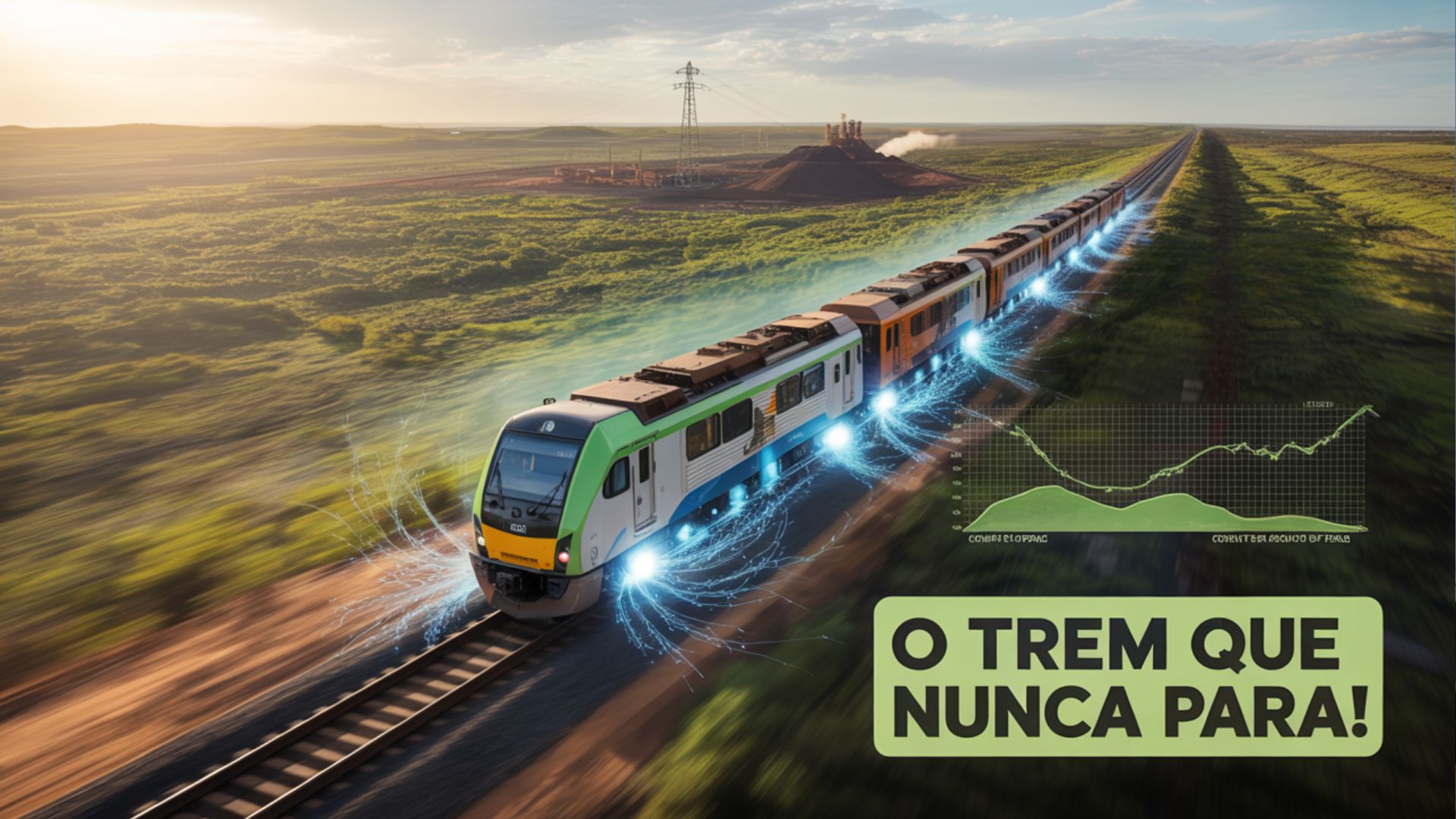


Innovative Technology Developed in Australia Promises to Revolutionize Ore Transport by Using Gravity to Generate Energy and Dramatically Reduce Diesel Consumption in Railway Operations.
Australia has entered a new era in freight rail transport with the testing of the Infinite Train, an electric locomotive designed to operate without the need for external recharging, overhead lines, or charging stations.
The project, conducted by miner Fortescue and its division Fortescue Zero, promises to revolutionize the sector by using energy generated during descents of heavy ore loads to recharge its own batteries.
The initiative aims to gradually replace diesel-powered locomotives, saving millions of liters of fuel per year and significantly reducing carbon dioxide emissions.
-
Chinese Man Transforms Home into 10-Story Pyramid Over 8 Years, Defying Authorities Before Demolition

-
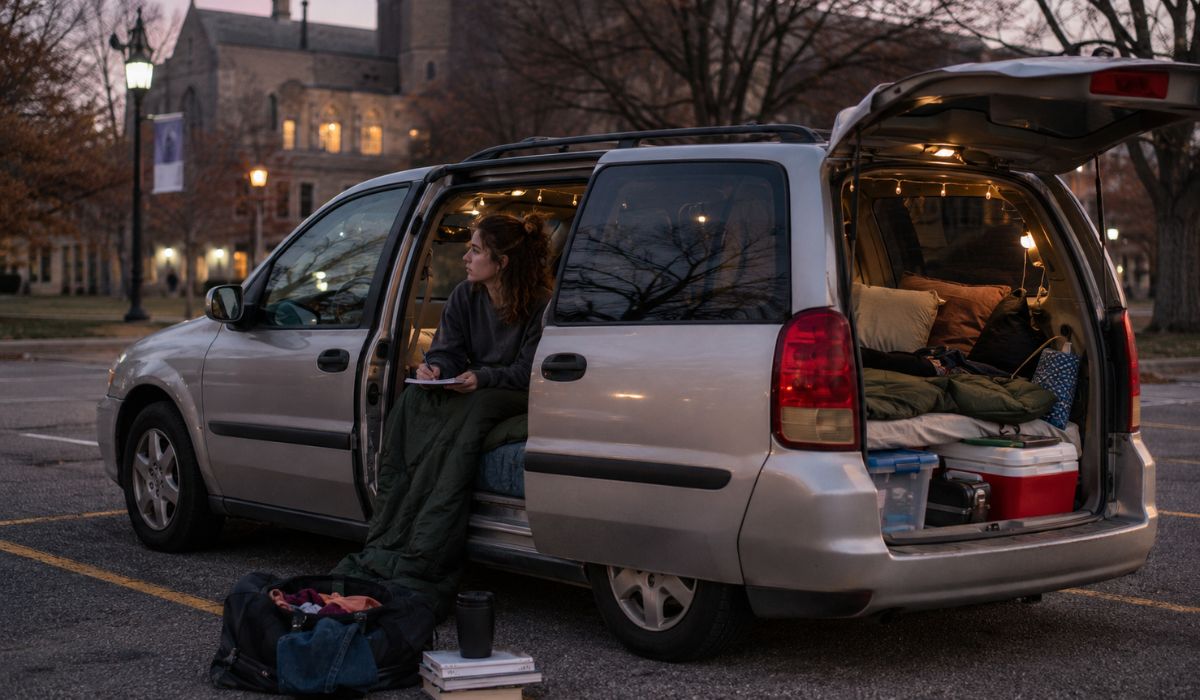
Faced with College Costs, Brazilian Student Lived in a Minivan for Nearly Two Years to Graduate Debt-Free
-
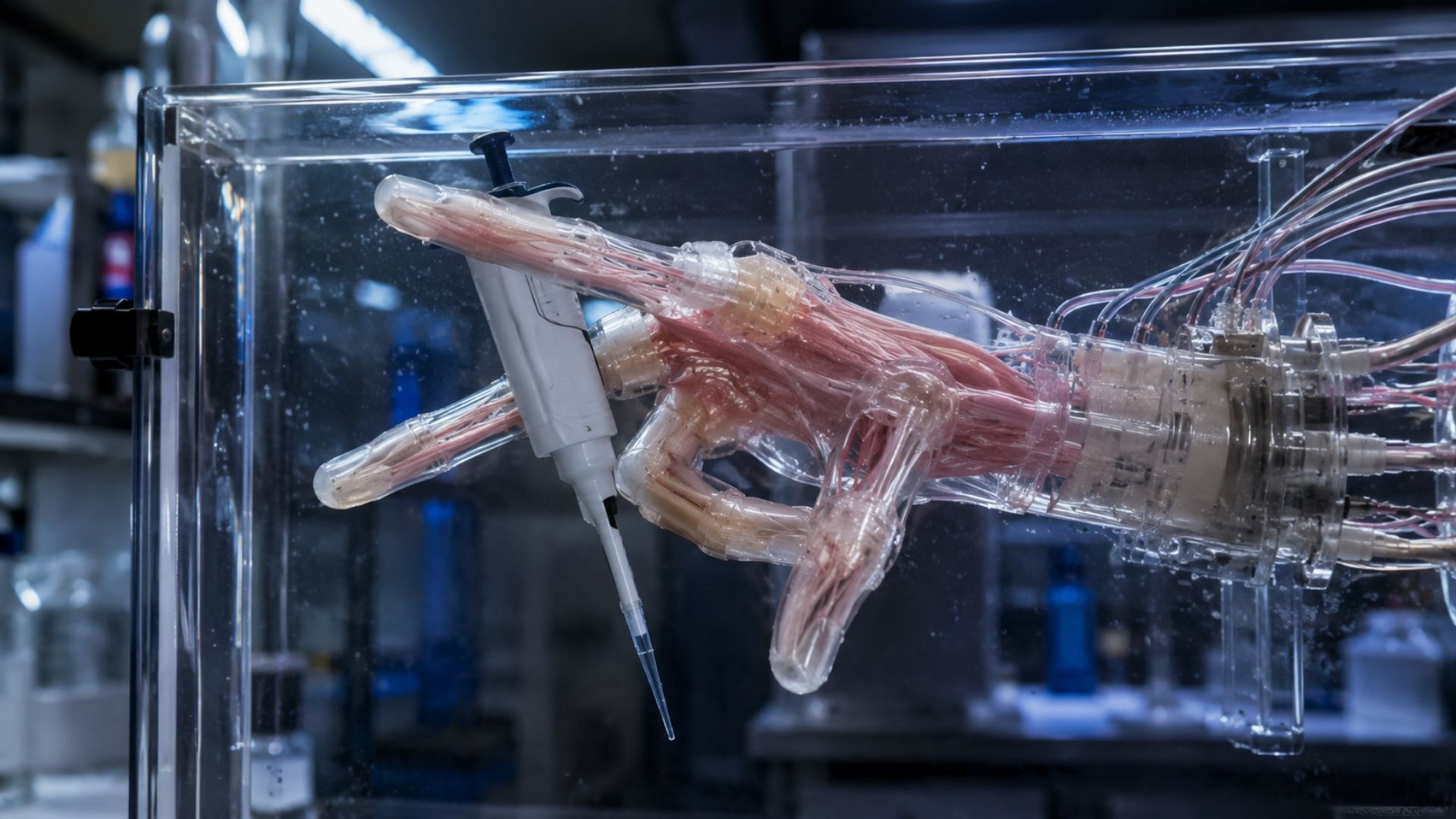
Tokyo Scientists Create First 18cm Biohybrid Hand Using Human Muscle, Capable of Scissor Gesture and Holding a Pipette

-
Brazil Faces Norway in World Cup at Stadium Linked to Jimmy Hoffa’s Mysterious Disappearance


Infinite Train: Electric Innovation in Mining
The innovative proposal relies directly on the use of regenerative braking, a technology that converts the kinetic energy of descent into electricity, recharging the train’s batteries while it transports iron ore from the Pilbara mines to the port of Perth in western Australia.
The route, approximately 1,100 kilometers long with an elevation change of around 600 meters, creates ideal conditions for the system to function fully.
With a capacity to transport up to 34,000 tons of ore, the train takes advantage of the force of gravity throughout the descent, accumulating enough energy to make the return journey — now empty — without the need for additional fueling.
Williams Advanced Engineering and the Development of Batteries
The technological development of this project was entrusted to Williams Advanced Engineering, a company recognized for its work in motorsport, especially in Formula E.
After its acquisition by Fortescue in 2022, Williams focused its efforts on improving the batteries and regenerative systems of the Infinite Train.
In June 2025, the electric locomotive made its first validation trip in a real environment, marking a new stage in the energy transition of the Australian mining sector.
Reduction of Fuel and CO₂ Emissions
Currently operating a fleet of 16 trains and more than 50 diesel locomotives, Fortescue has set a goal to gradually replace its traditional equipment with the new electric model.
The expectation is that the entire fleet will be converted by 2030, allowing the company to achieve carbon neutrality in its railway operations.
According to projections by Fortescue itself, replacing diesel trains with the Infinite Train could save up to 82 million liters of fuel per year, which is equivalent to a reduction of approximately 264,000 tons of CO₂, representing 11% of the direct emissions of the miner according to recent official reports.
Regenerative Braking and Gravity: The Pillars of Functioning
The concept of the Infinite Train becomes viable only on routes that offer long descents and large load volumes, such as the rail corridor from Pilbara to Perth.
On routes dominated by ascents or flat paths, the utilization of gravitational energy and regenerative braking would be limited, which would make the self-sufficiency energy model unviable.
However, experts point out that, if successful, the tests may inspire other mining railways and heavy cargo transport operations around the world to invest in similar solutions.
Economic and Environmental Impact of the Infinite Electric Train
Besides the environmental impact, adopting the Infinite Train can generate significant operational savings for companies in the sector, by reducing costs on fossil fuels and maintenance of diesel engines.
The project is part of a global movement for the decarbonization of rail transport, aligning with international commitments to mitigate climate change.
According to the latest report from the International Energy Agency (IEA), electrification of transport is one of the pillars to achieve global emission reduction targets by 2050.
The Future of Sustainable Railway Transport
The Australian initiative adds to other examples of innovation in the railway sector, but stands out for its concept of infinite reach since the train can operate continuously on the route between mines and ports without relying on external infrastructure for recharging.
The intensive use of high-capacity batteries and the application of technology developed for car racing reinforce the disruptive character of the project.
The future of mining in Australia, one of the world’s largest exporters of iron ore, is directly linked to adopting more sustainable practices and incorporating clean technologies.
Fortescue leads this movement by investing in research and development of solutions that combine efficiency, economy, and environmental protection.
If the validation of the Infinite Train in the current tests is successful, the company intends to accelerate the expansion of the technology to all its logistics operations.
Global Trend and New Challenges for Mining
Although the Australian model depends on specific geographic conditions, the discussion on new forms of electrification of railway transport is already mobilizing industrial sectors in countries like Canada, China, and South Africa, all with large mineral export corridors.
The success of the Infinite Train could trigger a new wave of investments in innovation in the heavy logistics sector, making long-range electrification a global trend.
In light of this scenario, the question remains: will other mining companies and railway operators around the world adopt the concept of the Infinite Train and invest in a more sustainable future for heavy cargo transport?