Portuguese
  Spanish


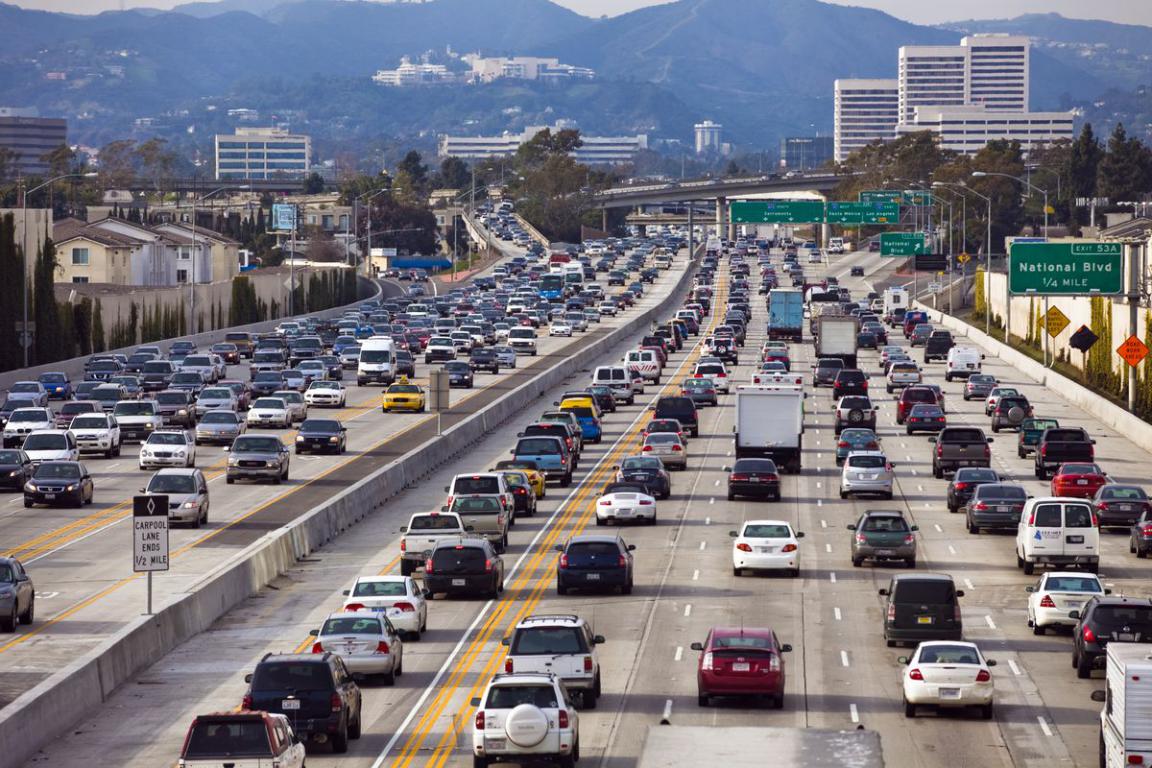

As Mobility Landscape Has Made Limited Space in Cities Necessary for the Use of Some Technology for Automated Curb Management to Improve Urban Traffic. This Is Because the Curb Has to Deal Not Only with Cars and Motorcycles but Also with Other Obstacles to Ensure a City Circulating Perfectly.
Currently, cities need to deal with public transportation, bike lanes, deliveries, vehicles, and much more — all of which makes the curb more “turbulent.” Therefore, managing curb space has become a necessity for large metropolises, and there is even software available to manage this space.
Thus, Automotus, a small American startup, announced an initial project of US$9 million to advance its automated curb management solution.
The company stated that its technology could reduce congestion and carbon emissions in cities by up to 10%. Furthermore, the software also helps reduce double parking risks by up to 64% and increases city parking revenues by more than 500%. Although in the initial phase, the curb management technology promises to be a revolution for urban mobility.
-
Humanoid Robots Begin Replacing Workers in Repetitive Roles as Companies Accelerate Industrial Automation

-
Humanoid Robots Begin Replacing Factory Workers in China, Working 64-Hour Shifts and Driving Industrial Automation Forward

-
Miniature Nuclear Reactor to Be Installed in South Wales, Powering 20,000 Homes and Reviving UK’s Nuclear Industry After Nearly 50 Years
-
San Andreas Fault Reaches “Highest Tension in 1,000 Years,” Raising Fears of the “Big One,” but New Study Identifies Key Zone Near Los Angeles Influencing Earthquake Impact


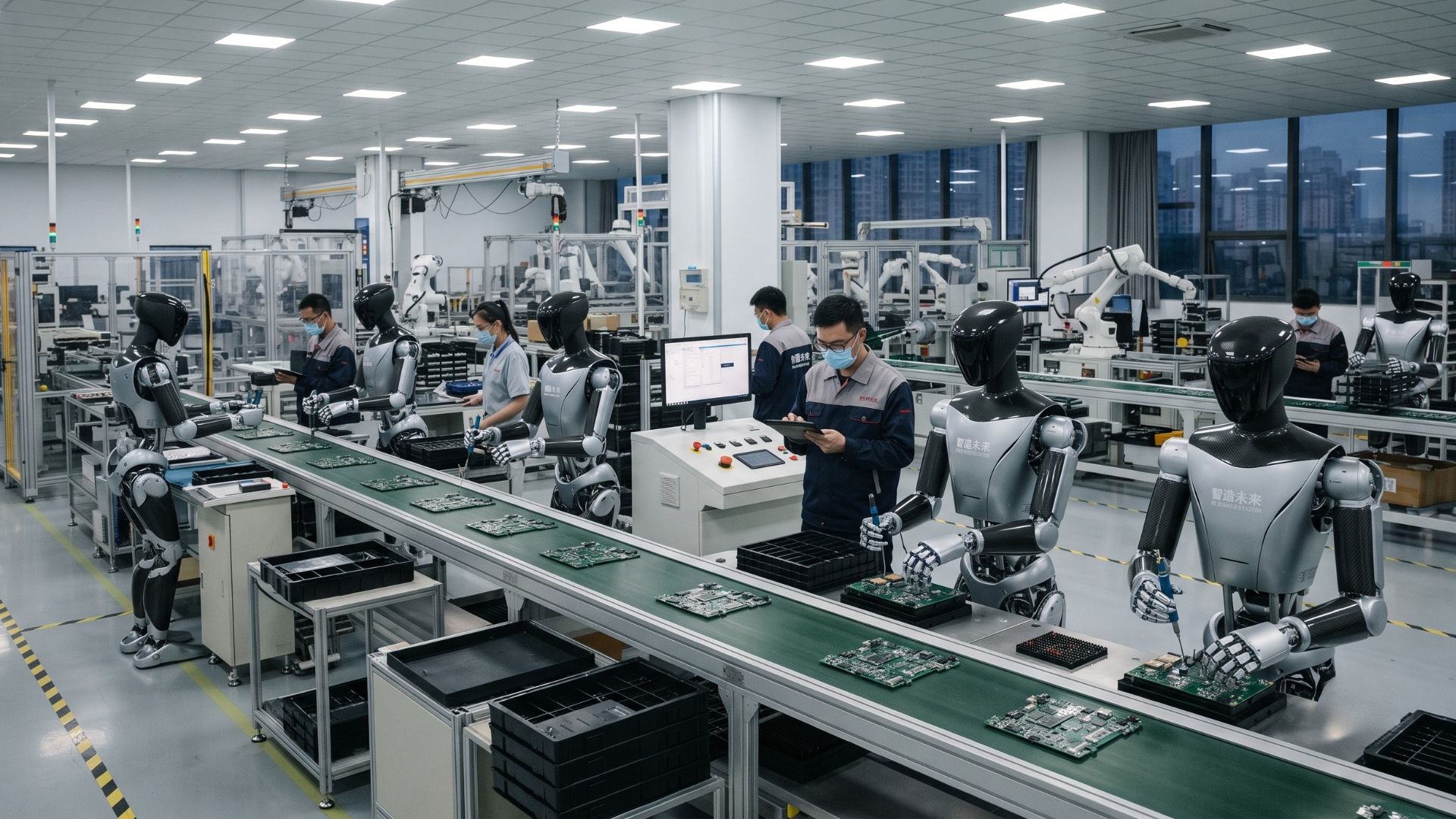


Curb Management Technology Is a Priority for Automotus
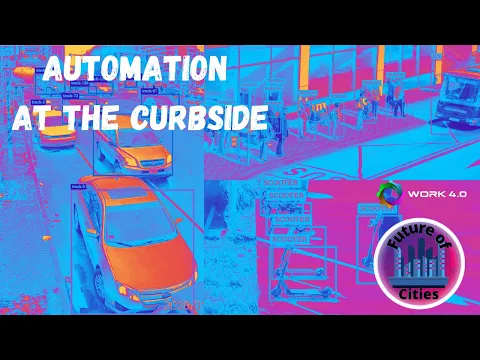

Launched in 2018, Automotus operates in American cities like Los Angeles, Santa Monica, Omaha, Pittsburgh, among others, to automate payments for unloading and parking vehicles, as well as enforce curb violations and manage charging zones preferences for commercial EVs.
According to TechCrunch, the CEO of Automotus, Jordan Justun, stated that the company “We also integrate with other mobility service providers to help cities gain a broader view of how public right-of-way is being used and for what planning modes, policies, and pricing efforts.”
In 2021, Automotus raised over US$1.2 million in seed funding, securing an additional US$7.8 million to complete its intermediate plan to fund automated curb technology. Among the investors are firms like CityRock Venture Partners, Unbridled Ventures, NY Angels, Keiki Capital, SUM Ventures, Quake Capital, Irish Angles, and LA’s Cleantech Incubator Impact Fund.
On the project, Justus also pointed out that “Most of the funding will be used to execute and support deployments in at least 15 new cities that will become operational in 2023.” Finally, he emphasized that “We have a big year of launches ahead and are focused on providing the best possible solutions for our clients while continuing to expand previous pilots.”
However, despite Automotus widely offering a software as a service product, it is necessary to install the right hardware to ensure efficient data collection. For this, in its partner cities, Automotus will implement cameras enabled for mobile, equipped with the company’s proprietary computer vision technology.
Thus, the cameras will be mounted at traffic lights and urban lights, in areas where many loading and unloading activities occur, as well as delivery zones. This will make it easier to analyze where there is more curb overload to find solutions to decongest those areas.