Portuguese
  Spanish


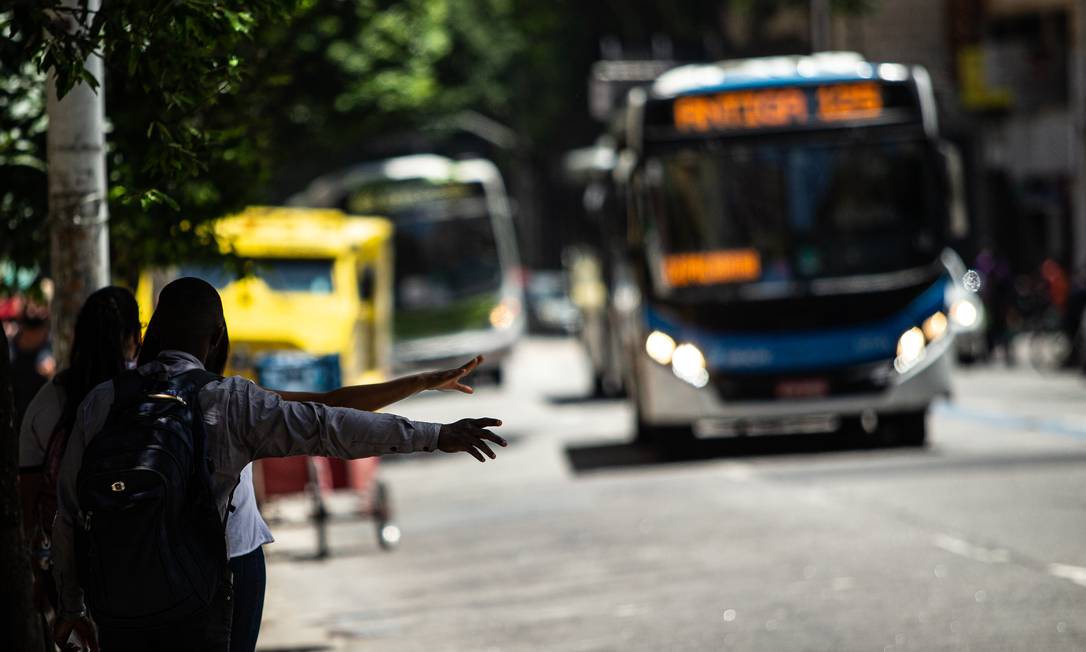

The Public Transportation Sector Plans To Increase Fare Prices To Cover The Deficit Left By Low Passenger Demand During The Pandemic
The new villain that will pressure inflation in 2022 is already known: public transportation. The rise in fuel prices, the low demand for passengers during the COVID-19 pandemic, and the demand for salary increases from drivers and conductors have generated billions in losses for companies.
See Other News:
- Understand Why Black Friday Does Not Work In Brazil
- After Meeting With Brazilian Minister, Tesla Owner Elon Musk Considers Supplying Semiconductor Demand And Brazil May Receive A Factory
- Saipem Wins Million-Dollar Contract With Petrobras. US$ 940 Million Will Be Invested In Pre-Salt, In The Búzios 7 Project
- Verallia Announces €80 Million Investment In Brazil And Promises To Generate 1,170 New Jobs
Moreover, after a year of successive increases in fuel prices, raising fares has become inevitable. According to the National Urban Transportation Association (NTU), diesel oil sold at refineries has increased by 65% in the last 12 months, which represents a deficit of R$17 billion for companies.
“There is a chance that, in 2022, there will be a significant adjustment in bus fares, precisely because the cost of fuel has a large share in the companies’ cost structure,” said André Braz, an economist at the Getúlio Vargas Foundation (FGV).
-
Brazil’s Central Bank’s Tight Monetary Policy Risks Stifling Both Production and Demand Amid High Inflation and Fiscal Imbalance

-
Over a Century After the Sinking, US Takes Legal Action to Stop Auction of Over 100 Titanic Artifacts

-
Chinese Rail Port in Inner Mongolia Surpasses 25,000 China-Europe Trains, Connecting 75 Routes Across Over 10 Countries, Showcasing Central Corridor as a Strong Land Alternative to Long Sea Routes
-
Brazilian State Government Establishes New Fire Brigade Battalion with $74 Million Investment



Subsidies To Contain Adjustments
Companies and experts estimate that passing the adjustment onto the fare paid by the population would mean an increase of 40% to 50% in prices – the average fare in Brazil is R$ 4.01, according to operators. However, in the current scenario of unemployment and reduced income for the population, it was deemed unfeasible to pass the full burden onto this group, as the public that relies most on this type of transport is low-income. Thus, it is up to municipal governments to decide whether to grant subsidies to bus, train, and subway companies, or to raise the fare prices.
According to economist Cláudio Frischtak, managing partner at Inter.B, the fare increases will be above 10%, but subsidies will continue to be necessary. “A considerable portion of people who need public transportation have a more limited capacity to absorb these adjustments. What tends to happen is an increase in subsidies,” he says.
Measures Taken In Rio de Janeiro
Mayor Eduardo Paes announced that, in the city of Rio de Janeiro, companies in the sector will receive subsidies, as most of the consortia operating are in judicial recovery.
The Traffic Department informed in a statement that it is working on a management model that will include a new form of remuneration for transport companies. There will be a new bidding process for digital ticketing, and buses will be tracked via GPS.