Portuguese
  Spanish


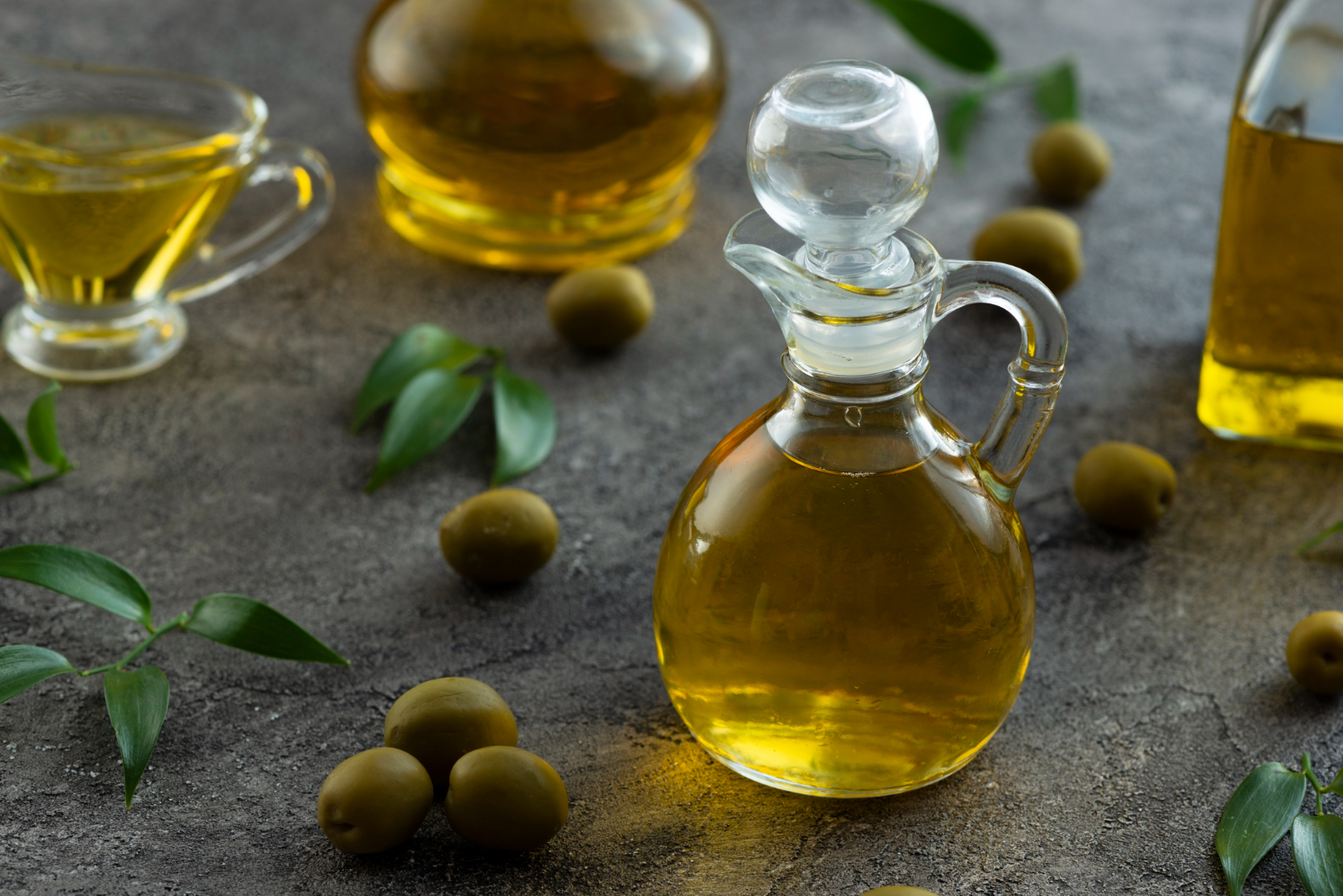


During The World Olive Day, Brazil Presented Advances That Reinforce The Role Of Brazilian Olive Oil In Quality, Safety And International Cooperation Of The Olive Sector
The Brazilian olive oil gained international visibility by being highlighted during the celebration of the World Olive Day, held during the 122nd meeting of the International Olive Council (IOC) in Córdoba, Spain, according to a report published.
The Brazilian participation showcased how the country has been organizing efforts to ensure that the olive oils consumed by the population meet global standards of identity, safety, and quality.
With the increase in consumption and the nutritional recognition of the product, Brazilian representatives explained that, even with still small production, there is a commitment to elevate consumer confidence.
-
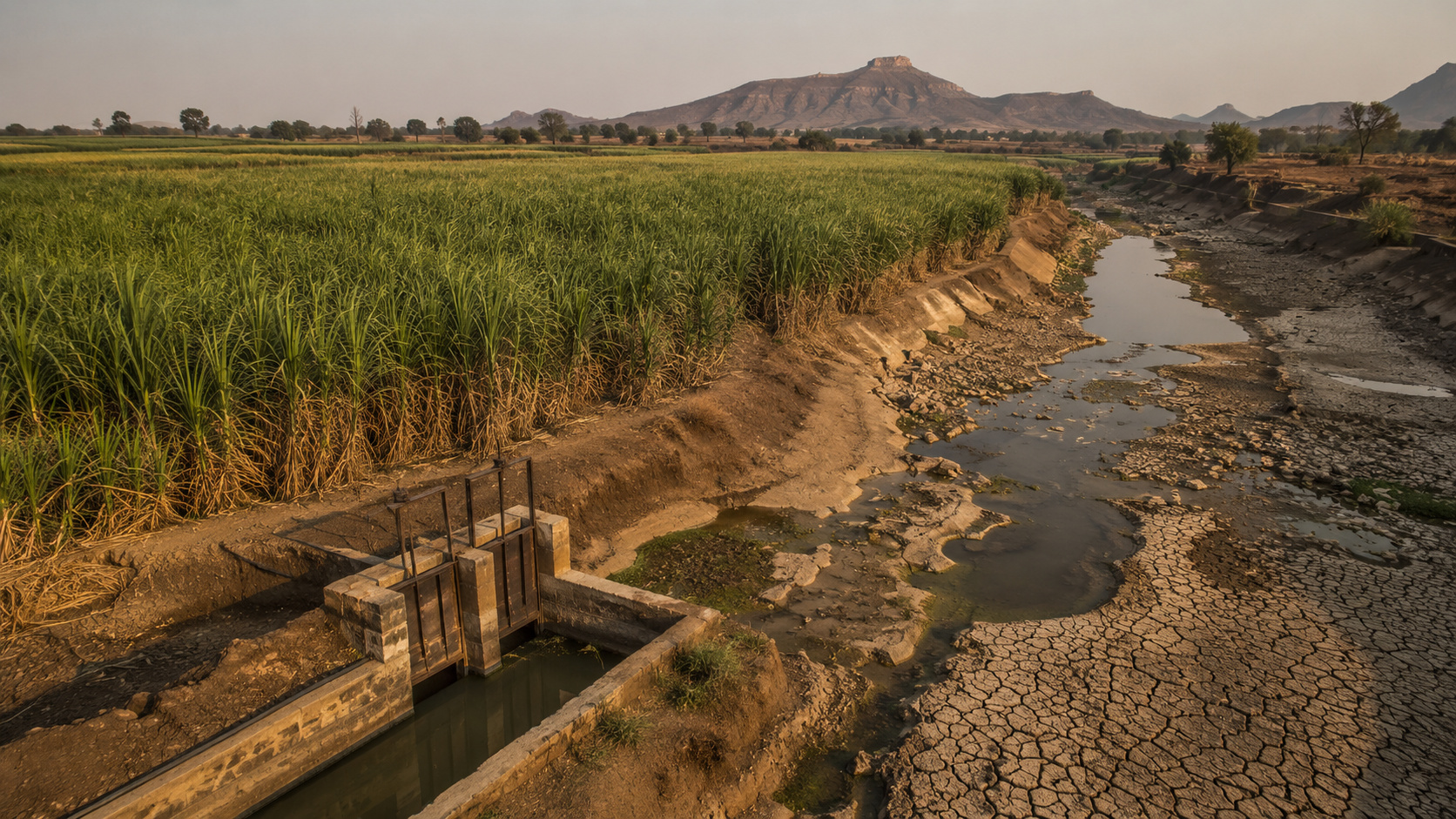
Sugarcane Cultivation in India: A Symbol of Water Stress and Environmental Strain Amidst Global Demand for Sugar and Green Fuel

-
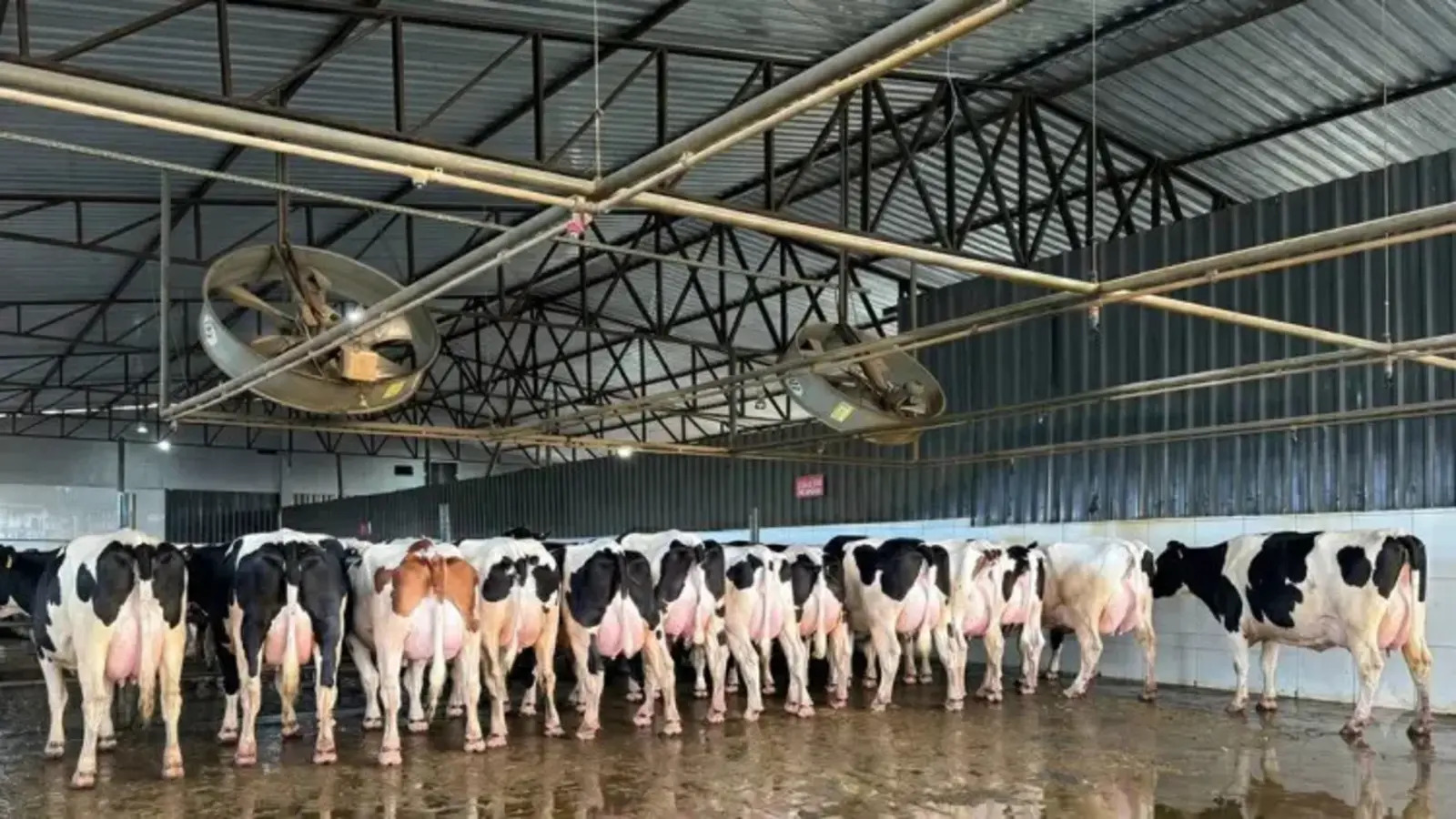
Innovative Farm in Northeastern Brazil Combats Drought with Advanced Techniques, Aiming for 10,000 Liters of Milk Daily Production

-
Australian Desert Farm Uses Solar Power and Seawater to Produce 15,000 Tons of Tomatoes Annually, Resembling a Sci-Fi Agricultural Innovation

-
Brazilian Child Becomes National Role Model by Turning Financial Education Lesson into Thriving Poultry Business with 25 Hens and 150 Eggs Weekly

During the event, ministers and delegations from 28 countries approved the Córdoba Declaration, a document that reinforces commitments to sustainability, public health, and fair trade.
Brazil’s presence at the meeting also marked a strategic step towards joining the IOC, a measure considered a priority by the Ministry of Agriculture, Livestock and Supply (Mapa).
Quality Of Brazilian Olive Oil As The Central Focus Of Discussions
The pursuit of the quality of Brazilian olive oil guided the speech of the Secretary of Agricultural Defense, Carlos Goulart, who represented Mapa in the meetings.
He explained that the country is working to align technical regulations with the standards adopted by the IOC and emphasized that combating fraud is an essential front to protect the health of the population.
According to Goulart, Brazil has initiated formal procedures to integrate into the council and sees participation in the organization as an opportunity to enhance technical cooperation and innovation in the sector.
This approach also strengthens internal initiatives aimed at the official control of products, including new inspection methodologies.
Thus, the Brazilian olive oil is positioning itself more solidly in the face of international requirements.

Sustainability In Production As Global Priority
Sustainability in olive oil production was among the points most discussed by the participating countries.
The Córdoba Declaration, approved during the meeting, encompasses common principles related to the environment, health, and balanced trade.
For Brazil, the document reinforces values already adopted in international forums in which the country participates, such as the commitment to sustainable agricultural practices, productive inclusion in rural areas, and environmental responsibility.
The meeting also highlighted the role of the olive tree in mitigating climate impacts and global food security.
These discussions helped to broaden global understanding of the importance of integrating sustainable actions into the production chain, a theme increasingly present in the strategies involving Brazilian olive oil.
Córdoba Declaration And International Cooperation Of The Olive Sector
The Córdoba Declaration for the olive sector was mentioned by delegations as a reference to enhance international cooperation in the olive sector, especially in aligning quality standards among countries.
In the Brazilian case, Goulart expressed gratitude for the support of the IOC in initiatives such as the formation of specialized panelists in sensory analysis of olive oils in Brazil, a step considered fundamental to improve the accuracy of official controls.
According to the secretary, educational campaigns and masterclasses aimed at the press, influencers, and culinary professionals have helped to promote best practices and strengthen knowledge about the product.
These movements reinforce the vision that Brazilian olive oil can contribute with experiences developed in tropical agriculture, expanding knowledge exchange with other producing nations.