





 Portuguese
  English
  Spanish
  4 min of reading
  0 comments


New Battery Technology: Electric Vehicles Can Reach Up to 1600 KM and Gain Extended Lifespan, Increasing Resale Value in the Market
The technology of electric vehicles is about to take a significant leap with a new battery that promises to offer a range of up to 1,600 km on a single charge. Developed by 24M, a company spun off from MIT, this innovation has the potential to transform the electric vehicle industry by increasing both the durability and resale value of these vehicles, addressing common concerns of potential buyers.
This development represents an important advance towards a definitive transition from fossil fuel-powered vehicles to electric ones.
One of the main benefits of this new battery is its significantly increased lifespan. Due to the greater range, the need for frequent and, especially, fast recharges will be reduced. Fast recharges generally negatively impact the health of traditional batteries, decreasing their longevity.
-
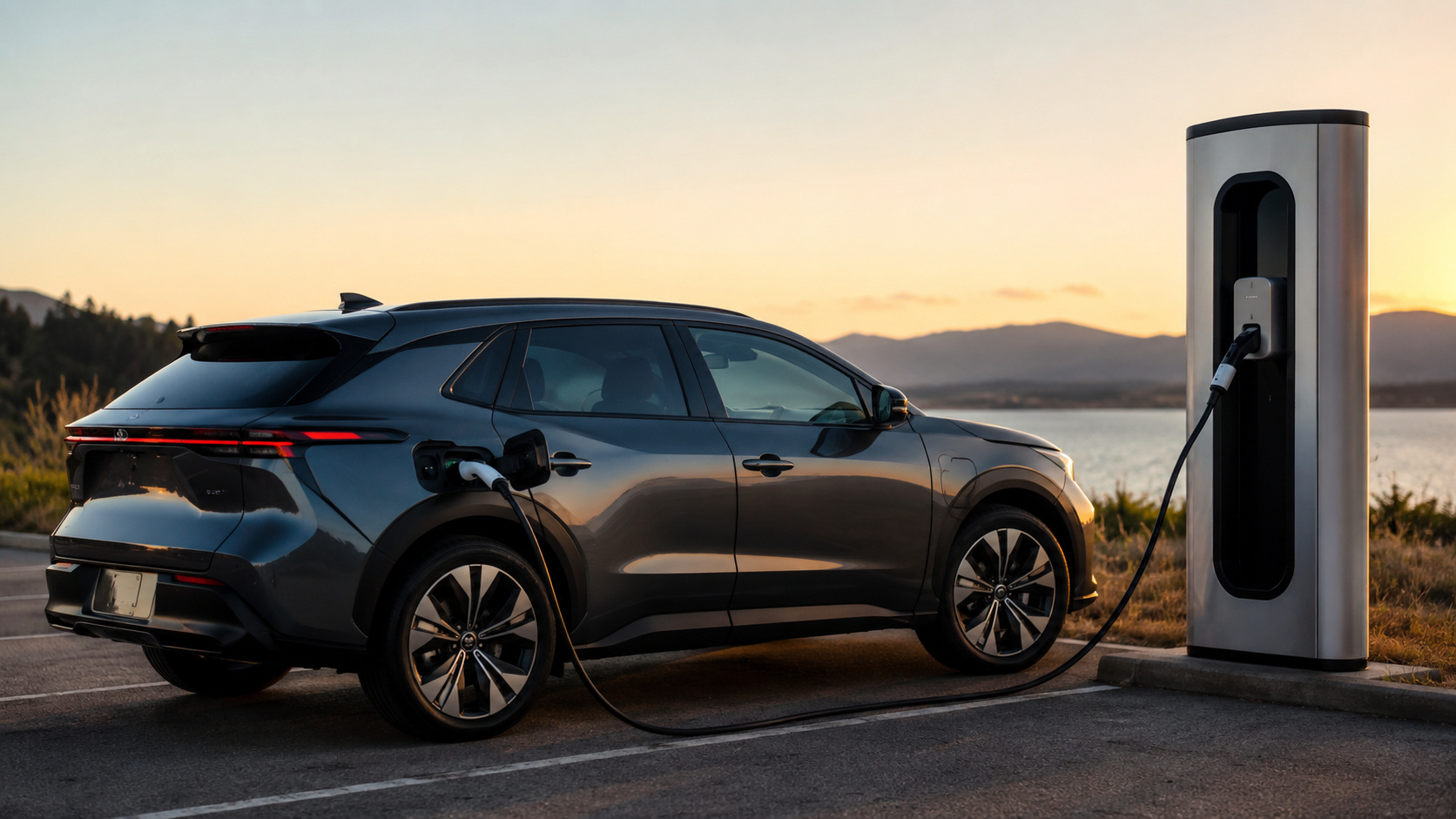
Why does Inmetro indicate less range than the electric car actually delivers on the streets? Range intrigues drivers.

-
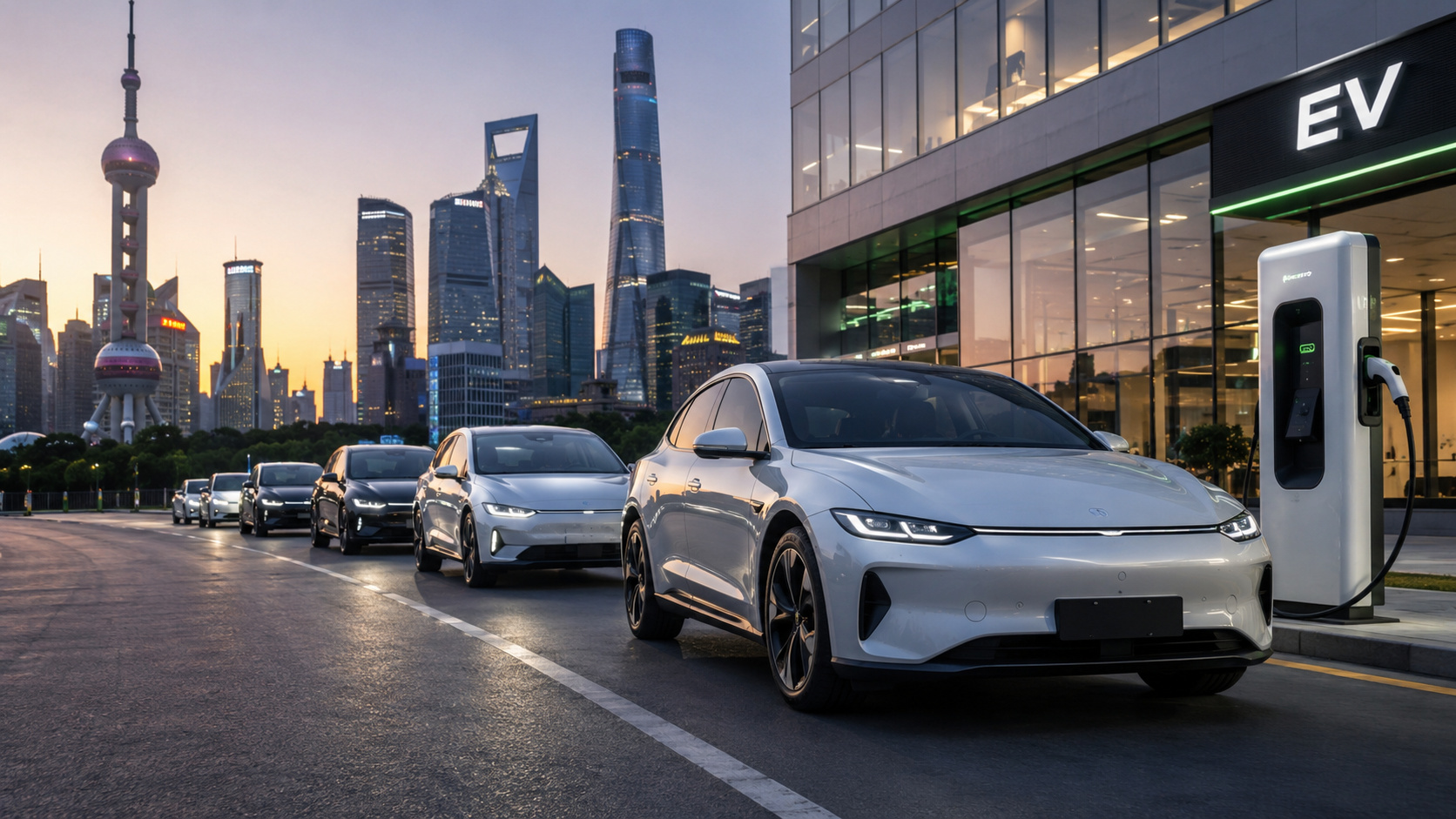
China witnesses a slump in car sales as electric and hybrid vehicles surpass 60%, highlighting the silent shift in the world’s largest automotive market.
-
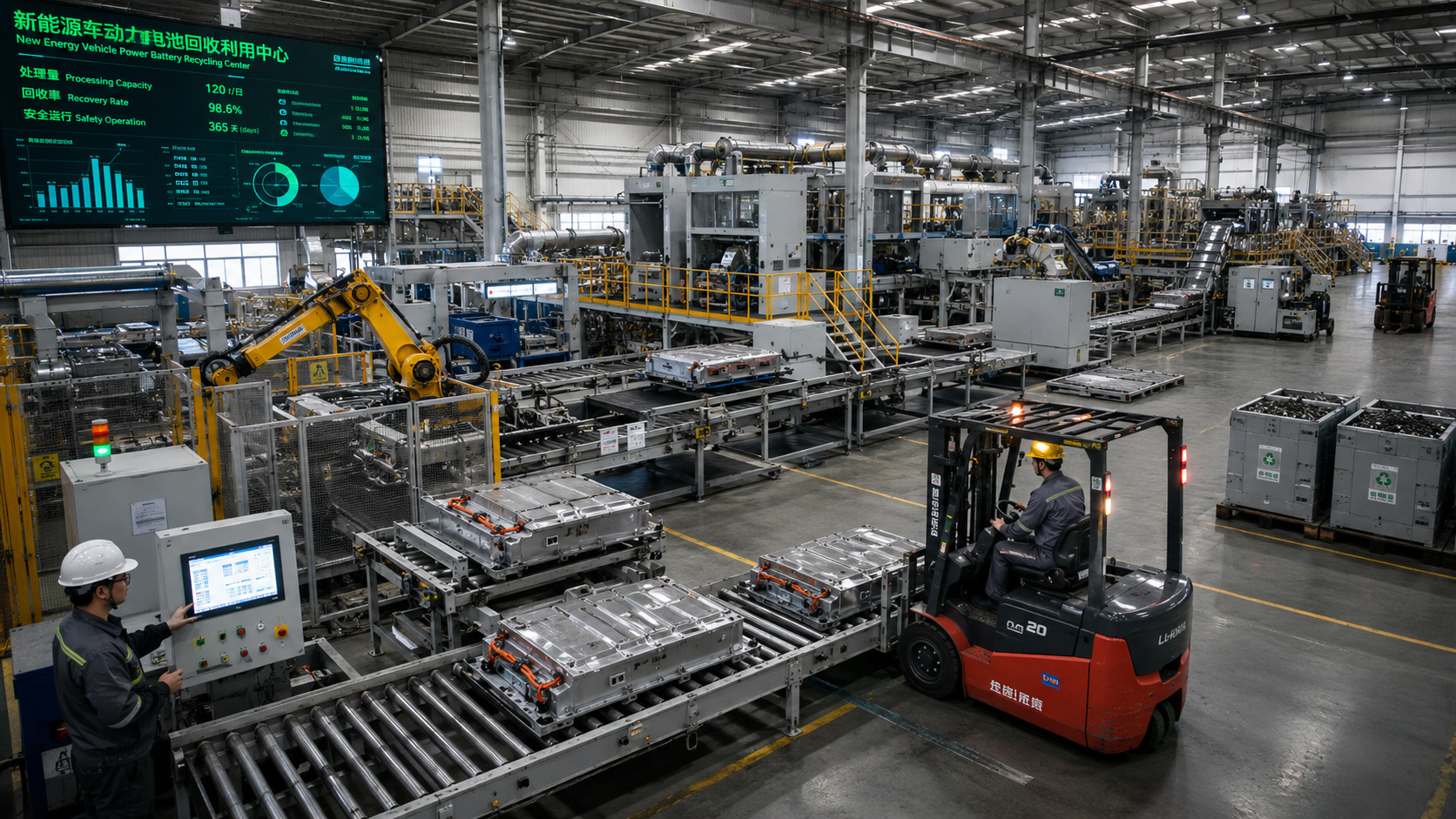
China has put millions of electric cars on the roads and now recycles up to 99.6% of used batteries, recovering lithium, nickel, and cobalt at levels that surpass Europe and the United States.
-
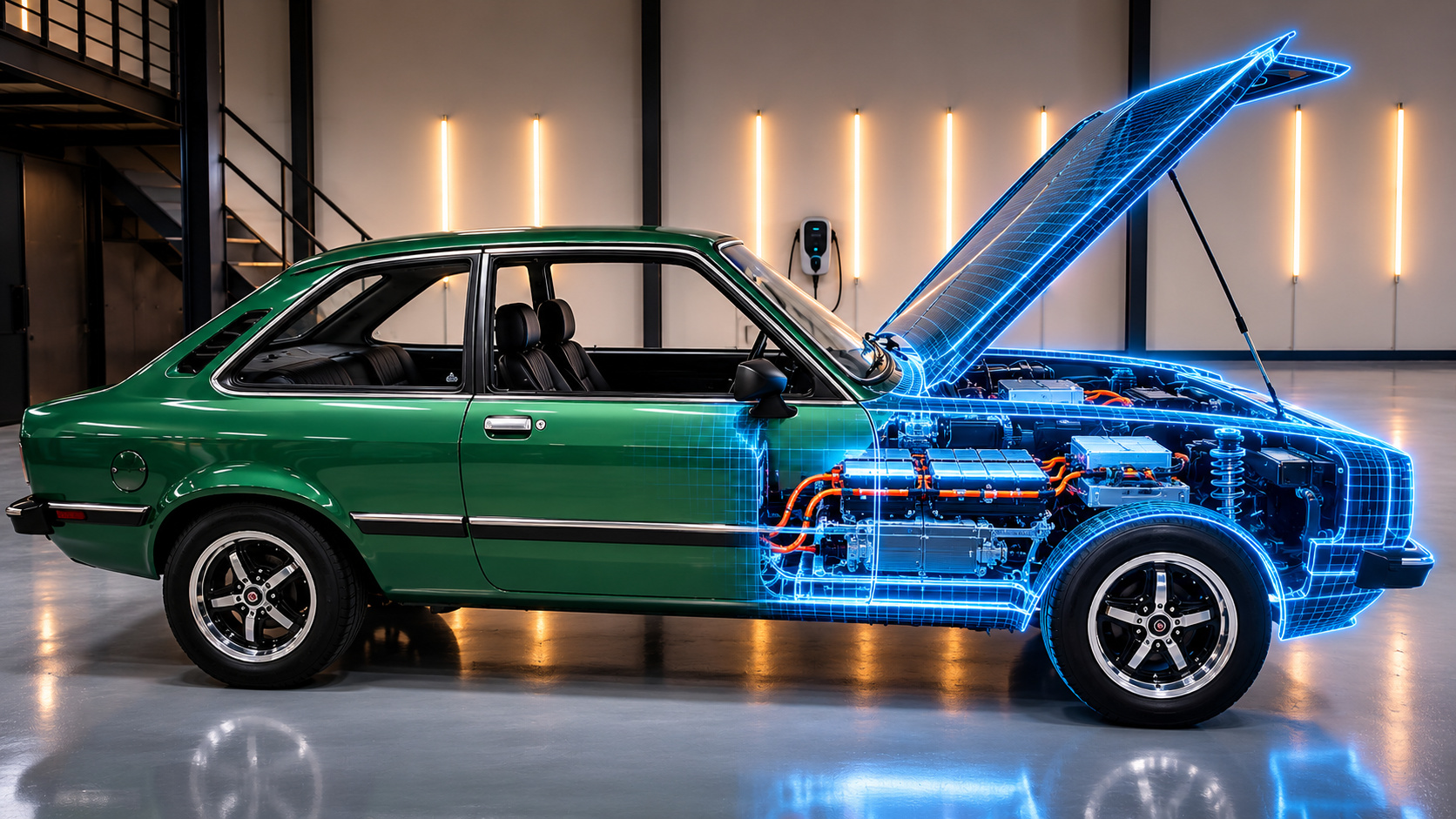
A Brazilian project is converting a classic 1970s Chevette into an electric car with a WEG motor, hybrid Volvo batteries, and showcases the real challenge of integrating modern technology into an old car.
However, with the ability to travel long distances between recharges, this issue will be minimized, preserving battery integrity and contributing to their durability.
This factor directly affects the resale value of electric vehicles. Today, many electric cars lose value more quickly compared to their gasoline counterparts, largely due to battery degradation over time.
New Electric Vehicle Technology
With the new technology from 24M, batteries can last between 800,000 and 1 million kilometers, changing this reality and making electric vehicles a more economical choice in the long run.
Rich Chleboski, CFO of 24M, emphasized the importance of this new technology: “The idea of acquiring an electric vehicle with hundreds of thousands of kilometers on it now becomes a more viable reality. This significantly increases the resale value of the car.” With a longer lifespan and less need for maintenance, the new battery can make electric vehicles more appealing to consumers seeking sustainable and financially advantageous solutions.
Range Anxiety Is on Its Way Out
The concern about the range of electric vehicles is one of the main barriers to mass adoption of these vehicles, as highlighted by a recent study from McKinsey & Company. The report points out that many consumers still fear that electric vehicle batteries will run out before reaching their destination, especially on long trips. This “range anxiety” has been a crucial factor limiting the growth of EV sales.
The new battery from 24M aims to address this issue by offering significantly higher energy density compared to currently used lithium-ion batteries. The 24M technology is based on the use of metallic lithium, which utilizes lithium in its pure form as anode. This allows for much greater energy storage, resulting in extended range. This advancement is particularly relevant for drivers who make long trips and need confidence in battery durability.
Safety and Sustainability with Metallic Lithium Batteries
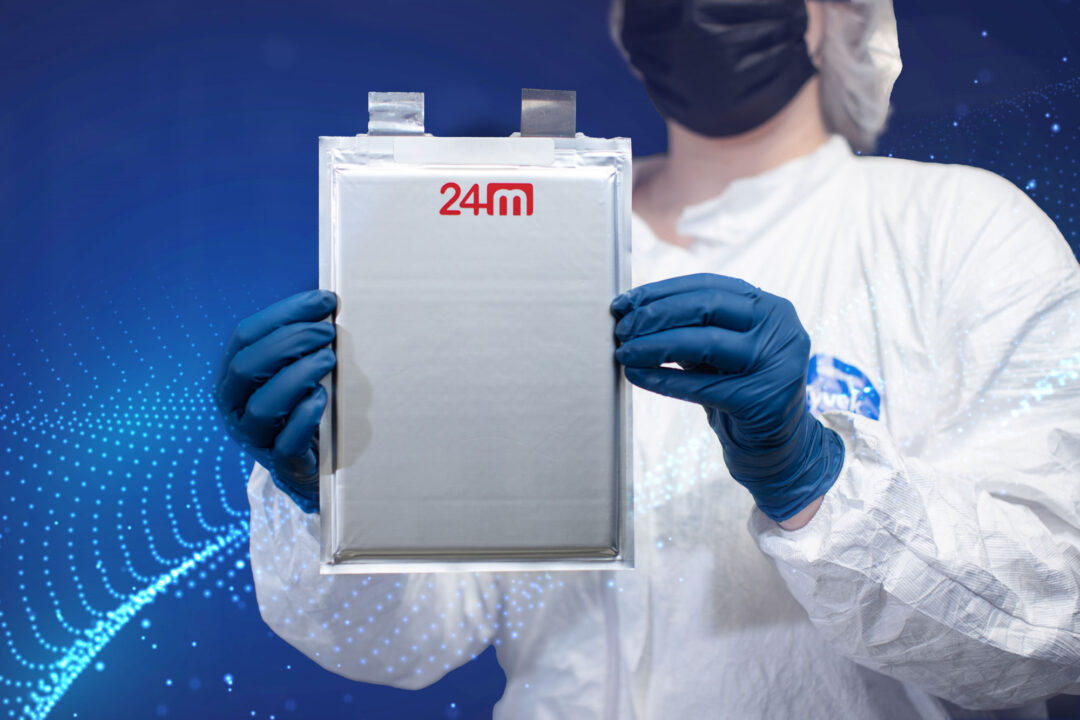
Although metallic lithium batteries have faced criticism regarding safety, 24M has implemented an innovative design that mitigates risks. The main issue with metallic lithium batteries lies in dendrite formation — metallic structures that can cause short circuits and, in extreme cases, lead to fires. The new design from 24M prevents the formation of these dendrites, making the battery safer for daily use.
In addition, the manufacturing technology of these batteries is more sustainable and economical. Traditional electric vehicle batteries use a chemical binder known as PVDF, which is a difficult-to-recycle compound. 24M has managed to eliminate the need for this binder by incorporating semi-solid electrolytes and other materials that simplify the manufacturing process and make the batteries easier to recycle. This not only reduces production costs but also makes the batteries more environmentally friendly.
The Future of Electric Vehicles
With all these advancements, the expectation is that the electric vehicle market will undergo a major transformation in the coming years. The combination of greater range, better resale value, enhanced safety, and sustainability in batteries makes this technology a sure bet for the future of electric mobility.
The promise of reaching 1,600 km on a single charge addresses one of the biggest concerns of consumers, making EVs an even more viable and attractive alternative to fossil fuel-powered vehicles. With the ongoing development of higher density and more durable batteries, the landscape for electric vehicles is set for a definitive change.






Be the first to react!