






 Portuguese
  Spanish


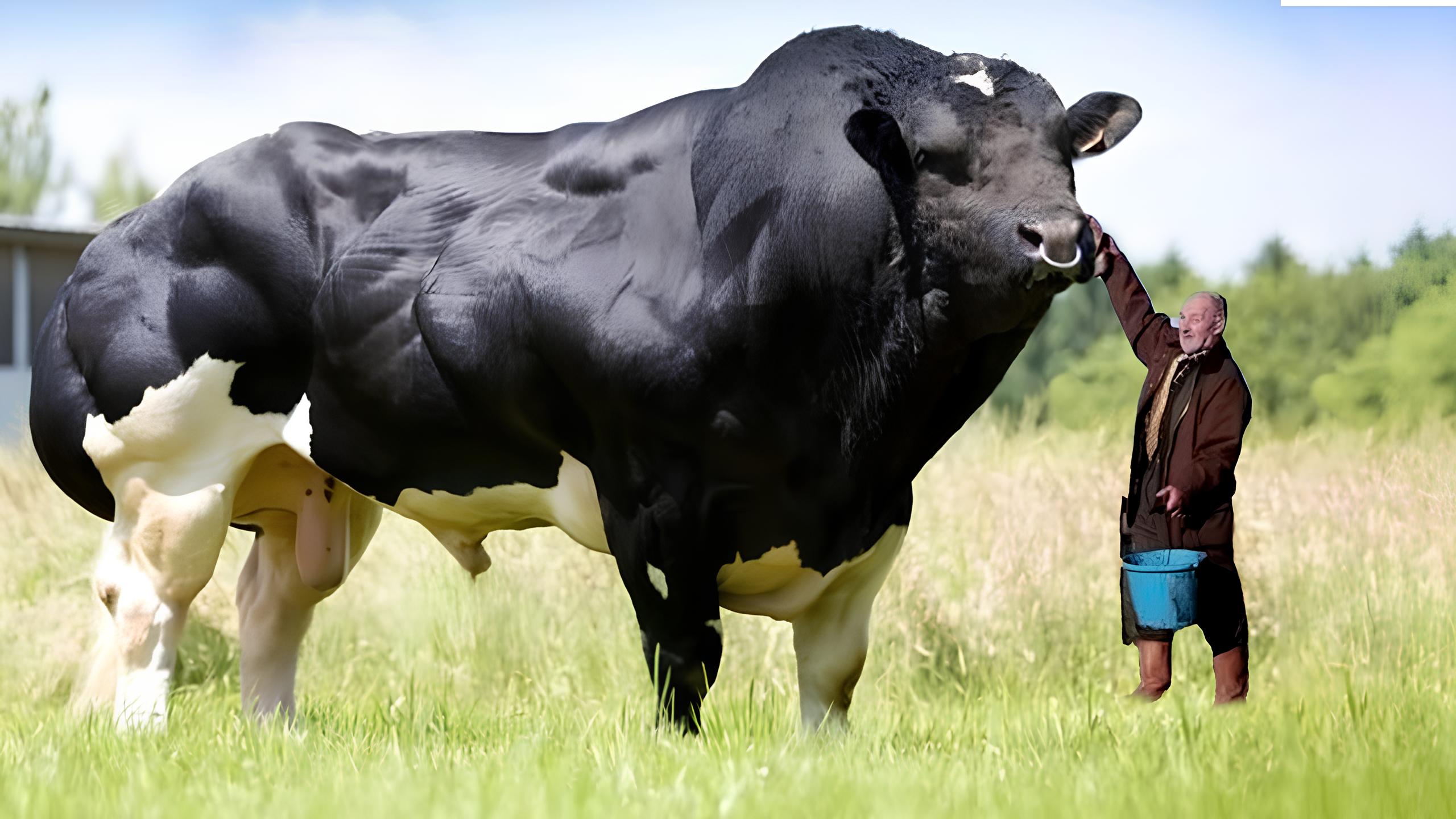


With Monumental Height and Impressive Weight, Beef Became a Symbol of the Power of Genetic Selection, Enchanting Scientists, Farmers, and the Curious by Redefining the Physical Limits of Modern Global Cattle.
Among the many curious records of the animal world, few impress as much as Beef, the bull that entered the Guinness World Records as the largest ever officially recorded. Raised in Canada and belonging to the Chianina breed, Beef not only drew attention for its outlier size but also for representing, on an extreme scale, everything that cattle genetic selection has been able to produce over centuries.
Measured with technical rigor, Beef reached about 1.95 meters in height at the withers — a height comparable to that of a very tall adult — and was estimated to weigh between 1.5 and 1.6 tons. For comparison, an ordinary beef bull typically weighs between 500 and 700 kilograms.
The Chianina Breed and the Origin of Giants
Beef belongs to the Chianina breed, considered one of the oldest and largest cattle breeds in the world. Originating from the Tuscany region in Italy, the Chianina has been raised for over two thousand years and has always been valued for three main characteristics: great height, long bones, and voluminous musculature.
-
El Niño may boost corn and soybean harvests in Brazil and Argentina, offering potential relief for global food prices.

-
Japanese Wagyu Gains International Fame for Its Intense Marbling, Tender Cuts, and High Prices in Brazil
-
Brazilian Farmers with Basic Education Create Backyard Machines That Win National Invention Contest, Beating 242 Projects

-
Brazilian Farm Innovates with Cage-Free Chickens, Producing 3,300 Odorless Eggs Daily


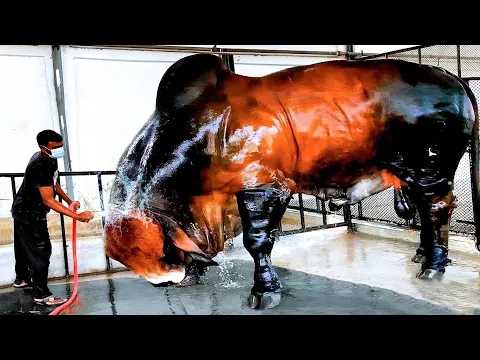

Historically, these animals were used as draft animals in agriculture, pulling plows and heavy carts. Over time, the breed has also been selected for meat production, maintaining its colossal size as one of its trademarks.
In the case of Beef, the combination of exceptional genetics, proper nutrition, and the fact that it is a castrated bull — which allows for continuous growth for a longer time — resulted in an animal that exceeded any known standard.
Why Castrated Bulls Grow Larger Than Bulls
An important technical point helps explain Beef’s size. Unlike bulls, castrated bulls do not divert energy to hormone production related to reproduction. As a result, their bone and muscle growth tends to continue for several more years.

This phenomenon explains why many of the largest cattle ever recorded in the world were bulls, not bulls. Beef follows this pattern exactly: it continued to grow beyond the age when most animals stabilize in size.
Official Measurement and Entry into the Guinness
For an animal to be officially recognized by the Guinness World Records, it is not enough to appear large. Measurements must follow strict technical criteria, with suitable instruments and independent validation.
Beef was measured at the withers — the highest point of the back, between the neck and the back — and comfortably surpassed other known giants. It is precisely this official proven measurement that grants Beef the title of largest bull in the world, unlike other cases that gained fame on the internet but never underwent formal certification.
Beef and the Comparison with Other Famous Bulls
After Beef, the bull most mentioned by the public is usually Knickers from Australia, which went viral in 2018 for “not fitting” in pens alongside other animals. Knickers measures around 1.94 meters tall and weighed approximately 1.4 tons — impressive numbers, but still below those recorded by Beef.
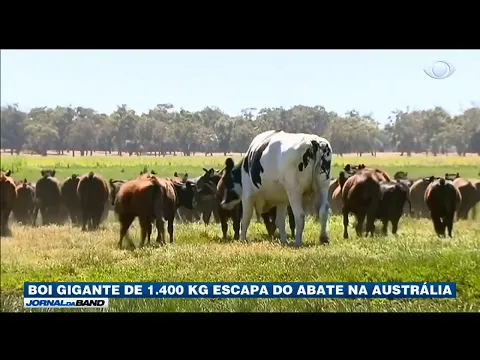
This comparison helps understand why Beef remains at the top: it was not just large, it was documented as larger.
A Living Colossus of Modern Cattle Ranching
Beef has become a symbol of how far modern cattle ranching, combined with traditional genetic selection, can reach. It was not raised as an attraction or experiment, but as a natural result of a breed historically selected for large size.
At the same time, its story also illustrates the practical limits of this gigantism. Animals of this size require special management, enhanced nutrition, adequate structures, and constant care to preserve their well-being and avoid joint problems.
The Human Fascination with Animals Out of Scale
Cases like Beef’s are fascinating because they break everyday perception. A bull over two meters tall challenges popular imagination, used to seeing these animals as common parts of the countryside.
Beef has become a reference not only for being large but also for representing an extreme scale of animal domestication, something that connects history, genetics, agriculture, and human curiosity in a single living being.
Legacy and Permanent Curiosity
Even after its death, Beef continues to be cited in reports, record books, and studies on giant breeds. To this day, no other bull has had official measurements that exceeded its, keeping it at the top of the global ranking.
It remains a rare milestone, difficult to replicate, and a reminder that nature, when combined with centuries of human selection, is still capable of producing living colossi that seem almost unreal.
The story of Beef shows how cattle ranching, often viewed only from a productive standpoint, also carries impressive chapters of scale, genetics, and history. An ordinary animal, like a bull, can reach almost unbelievable proportions when biological and human factors align.
And you, dear reader: do these giants of cattle ranching represent an extraordinary achievement of genetic selection or a limit that animal breeding should not exceed?





Humans are sick bastards wanting to breed cattle like this they should be castrated… the humans I mean.
It’s quite impressive. I’m a breeder too and fascinated with this achievement
Grandioso, colosal no solo por su tamaño