






 Portuguese
  Spanish


The mason Aparecida Siqueira Lima, known as Cida, left the restaurant and snack bar business, took a municipal civil construction course, worked on a project related to more than 800 houses, and started working independently in Anastácio, creating Construcida with projects, clients, and word-of-mouth promotion in the city of Mato Grosso do Sul.
The mason Aparecida Siqueira Lima, known as Cida, was 43 years old when she entered the civil construction field in Anastácio, a municipality in Mato Grosso do Sul, after leaving the restaurant and snack bar business. The story was published by Campo Grande News on January 30, 2016, in a report by Giselli Figueiredo.
The case draws attention not for transforming heavy work into a spectacle, but for showing a concrete change in professional activity. Cida sought qualification, entered a predominantly male sector, worked on projects in the city, and formalized her own brand, called Construcida, after deciding to work independently.
From the kitchen to the civil construction course
Before working as a mason, Cida worked as a kitchen assistant and came from the restaurant and snack bar business. According to the report, she wanted to change fields, innovate, and find a way to work independently, without relying on the previous employment model.
-
Mother and Daughter Turn Abandoned Warehouse Find into Million-Dollar Business in the U.S., Uncovering 25,000 Caps, 10,000 Sneakers, and Rare Apparel from Nike, Adidas, and Puma

-
After Nearly 30 Years at Beto Carrero, Elephant Baby Begins New Life at Sanctuary in Brazil’s Mato Grosso

-
Your Old Gmail Address Might Be Obsolete Soon: Google Introduces Feature Changing Account Usage.
-
Two Newborns Named Cecília Share Same Birth Minute at Brazilian Hospital, Creating Rare Coincidence


The opportunity arose in courses offered by the Social Assistance Secretariat of Anastácio. Among the options, the project “The Hand that Builds” caught her attention, both for its name and its direct connection to a real labor demand in the city.
Project was linked to more than 800 houses
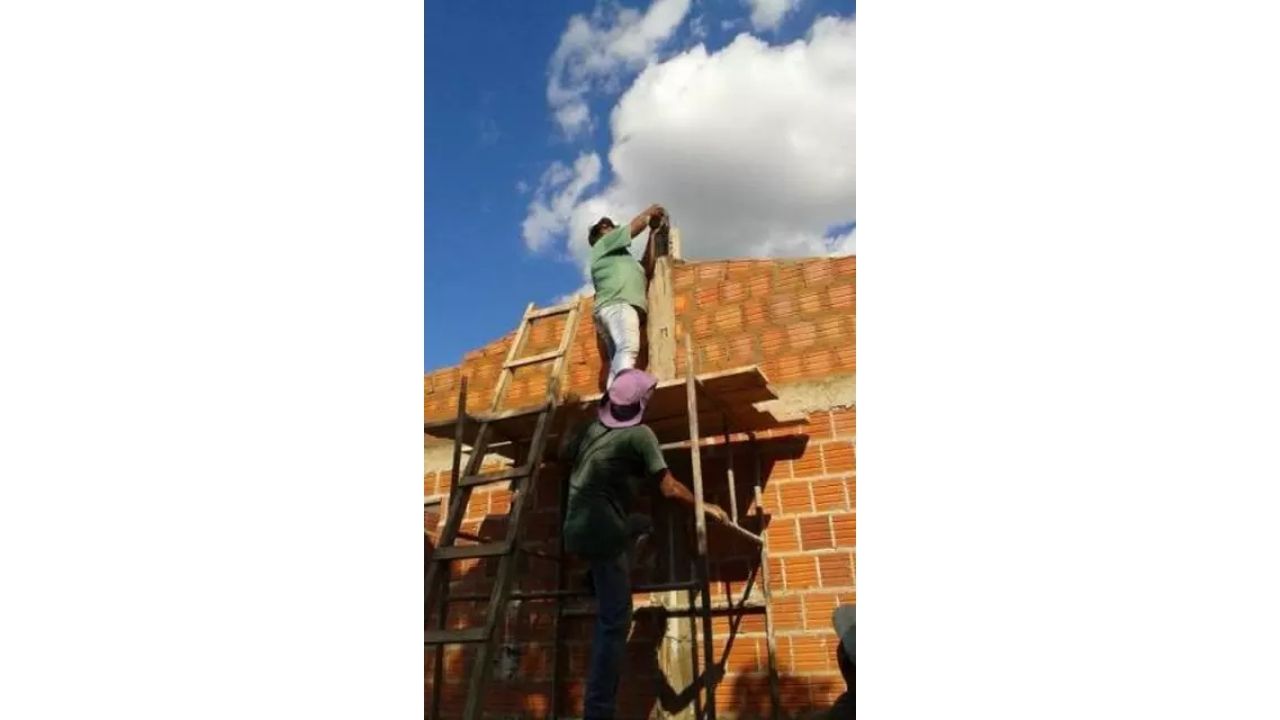
The course did not emerge in isolation. The city hall was preparing to start the construction of the Cristo Rei Residential, and the contractor needed qualified and certified workers to work on a project with more than 800 houses, according to the source.
This context helps to understand why the training had a practical effect. The qualification was connected to a concrete demand in the construction industry, which paved the way for Cida to leave the course and start working on projects in Anastácio.
Entry into the construction site required professional space
The report describes that Cida entered an environment seen as a male stronghold. This fact is important because the construction industry is still associated, in many places, with roles predominantly occupied by men, especially in construction activities.
Her presence as a mason does not need to be treated as a folkloric exception. The journalistic point lies in the fact that a female worker sought training, entered the construction site, and built a professional reputation in an area where her presence aroused curiosity.
Word of mouth became a work tool
After the course, Cida started looking for clients without a large advertising structure. Word of mouth in Anastácio played a decisive role in the mason beginning to receive invitations for residential projects and private services.
One of the clients mentioned in the report is Luiz Carlos Albres Cintra, then 48 years old. He learned about Cida’s work through a friend’s recommendation and hired her to build a wall. The project paved the way for new services on the family’s property.
Projects helped consolidate Construcida
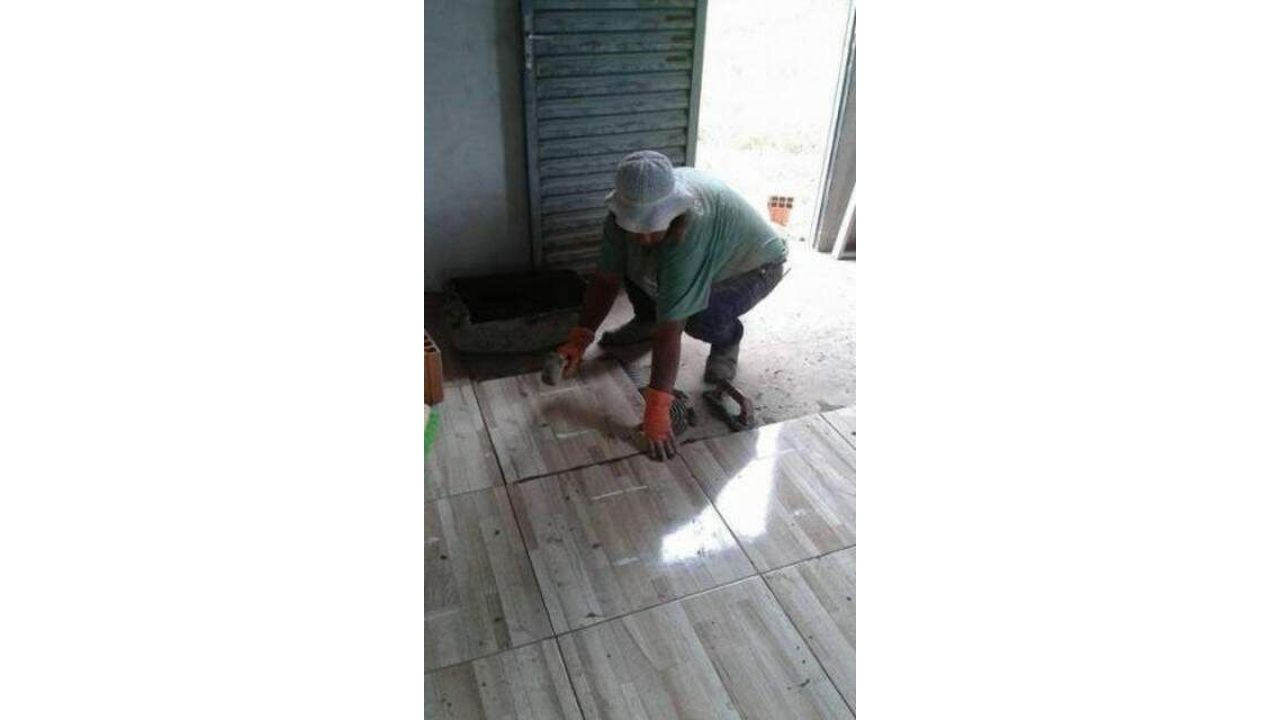
After the first service, Cida also worked on a dance hall on Luiz’s family farm. According to the report, she laid flooring in an area of 220 square meters, a project that became part of the portfolio used to showcase her technical capability.
The Construcida brand was born from this relationship between a proper name, construction, and local promotion. More than a nickname, the brand became a way for Cida to present her services and differentiate herself in a city where trust circulated greatly through direct recommendation.
Working alone became an organizational choice
Cida told the report that she liked working alone. She described herself as detail-oriented and said she preferred to perform tasks her own way, without relying on helpers when she believed it could compromise the result.
This point shows a work organization strategy. Instead of presenting the choice as a “sacrifice,” the article should be read as an example of practical autonomy: the stonemason structured her routine, took on services compatible with her capacity, and knew how to recognize technical limits when necessary.
Own house in the work and recognized technical limits
Among the works shown to Campo Grande News, Cida highlighted a house she built almost entirely by herself. According to the source, she stated that she did not execute the roof or the electrical wiring, as she understood that these stages required a specialized professional.
This detail is relevant because it avoids an exaggerated reading of the story. Civil construction involves different skills and technical responsibilities. By recognizing where she could act and where she needed another professional, Cida demonstrated a sense of professional limits within the work.
Formalization as a micro-entrepreneur
The report informs that Cida formalized the small company Construcida and became an individual micro-entrepreneur. This step helped transform her informal work into a brand of service provision within the local construction industry.
The formalization also aligns with her initial goal: to work independently. By creating Construcida, the stonemason began to associate her name with works, materials, transportation, service, and reputation in the city.
The car became a work tool
The source mentions that Cida bought a used pick-up, described by her as complete and useful for leisure and tool transport. This fact should not be treated as a symbolic prize but as part of the work structure of someone who works in construction.
For a professional in civil construction, transportation and material transport make a difference. The pick-up appears, therefore, as an operational tool, linked to the routine of attending clients and bringing the necessary equipment for each service.
Plan to form a female team
Another point mentioned in the report is Cida’s desire to form a team composed of women. The idea connects to the space she has conquered in civil construction and the possibility of expanding the female presence in construction activities.
However, this plan must be presented with caution. The source indicates the intention but does not detail whether the team was effectively formed afterward. Therefore, the information is considered a project declared by Cida at the time of the report, not as a fact confirmed later.
Anastácio appears as the central setting
The story takes place in Anastácio, the city where Cida took a course, received recommendations, executed works, and consolidated Construcida. The municipality is not just a backdrop; it explains the importance of word of mouth and the local client network.
In smaller cities, professional reputation can quickly circulate among acquaintances, neighbors, and families. In the case of the quarry, direct recommendation was a decisive element in turning the first service into new work opportunities.
A professional change without embellishing the difficulty
Cida’s trajectory shows a change of field, professional training, and entry into a market where women still face distrust. But this does not require romanticizing hard work or presenting precariousness as if it were a natural shortcut to recognition.
What the report allows us to state is more objective: Cida left the restaurant and snack bar, took a municipal course, entered the construction industry, worked on projects in Anastácio, formalized Construcida, and began using bricks, cement, flooring, and client recommendations as the foundation of her own activity.
A brand built project by project
The story of Construcida reveals how a local brand can be born from direct action on the construction site. Before major campaigns or business structure, there was a course, executed works, satisfied clients, and a reputation created through daily contact with the city.
The question that remains is less about “overcoming” and more about market, qualification, and opportunity: how many women could enter the construction industry if they had accessible courses, real demand, professional respect, and the chance to show their work without being treated as a curiosity? Leave your opinion in the comments.


