





 Portuguese
  English
  Spanish
  5 min of reading
  0 comments


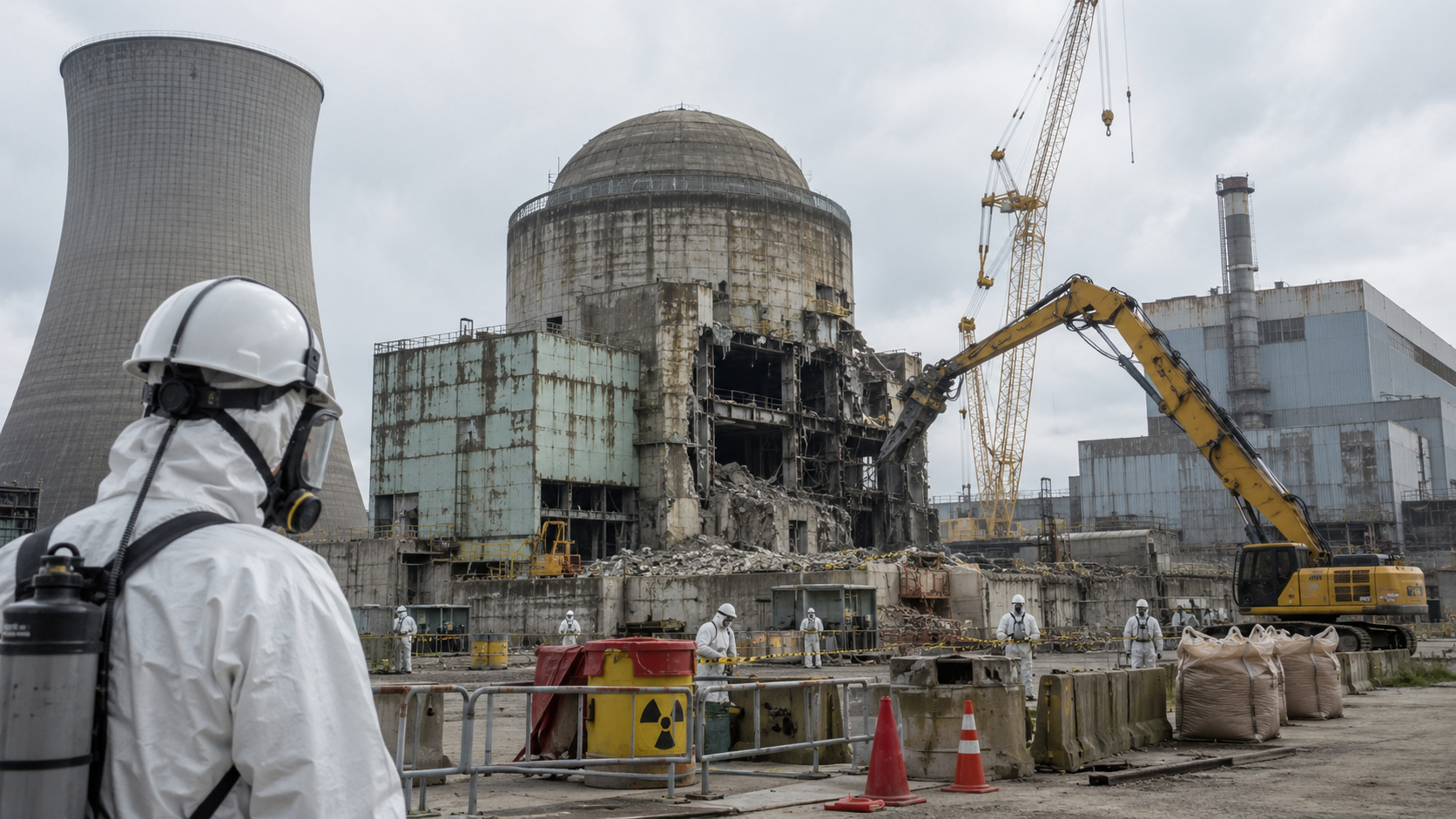
Decommissioning nuclear plants can cost up to $2 billion, take decades, and has already become one of the greatest challenges in engineering and energy worldwide.
When a nuclear plant stops generating electricity, the most difficult part of the story often hasn’t even begun. Instead of a conventional demolition, the facility enters a long process of nuclear decommissioning, involving fuel removal, decontamination, controlled dismantling, radiological monitoring, and waste management. According to the International Atomic Energy Agency, the cost of decommissioning a nuclear power reactor, including the treatment of associated waste, typically ranges between $500 million and $2 billion.
This figure helps explain why the end of a plant’s life has become a central issue for the global nuclear sector. The same agency states that the process usually takes around 15 to 20 years, although it can vary depending on the reactor technology, the condition of the facility, the chosen regulatory strategy, and the complexity of the site.
The challenge grows because the world is entering precisely the phase where more reactors are aging simultaneously. The World Nuclear Industry Status Report 2024 shows that, among the reactors already closed, the number of fully dismantled facilities is still small, revealing that the global nuclear industry is just beginning to face the full cost of shutting down its plants on a real scale.
-
Almost 4 meters off the ground, a Japanese man builds treehouses in the middle of the forest, creating a sustainable resort with the comfort of a luxury hotel and enters the Guinness; discover the Treeful project.

-
A 700-square-foot tiny house emerges from an old garage and becomes a luxury retreat in Connecticut; the property accommodates up to 4 people, features a sauna, fireplace, river access, and secret furniture hidden in the walls.
-
Man turns 7-year dream into a wooden chalet on his farm, builds everything alone in his spare time, uses leftovers for furniture, creates a mezzanine, veranda, and giant bathroom, but still faces challenges with heat, glass, retractable roof, and finishes without help.
-
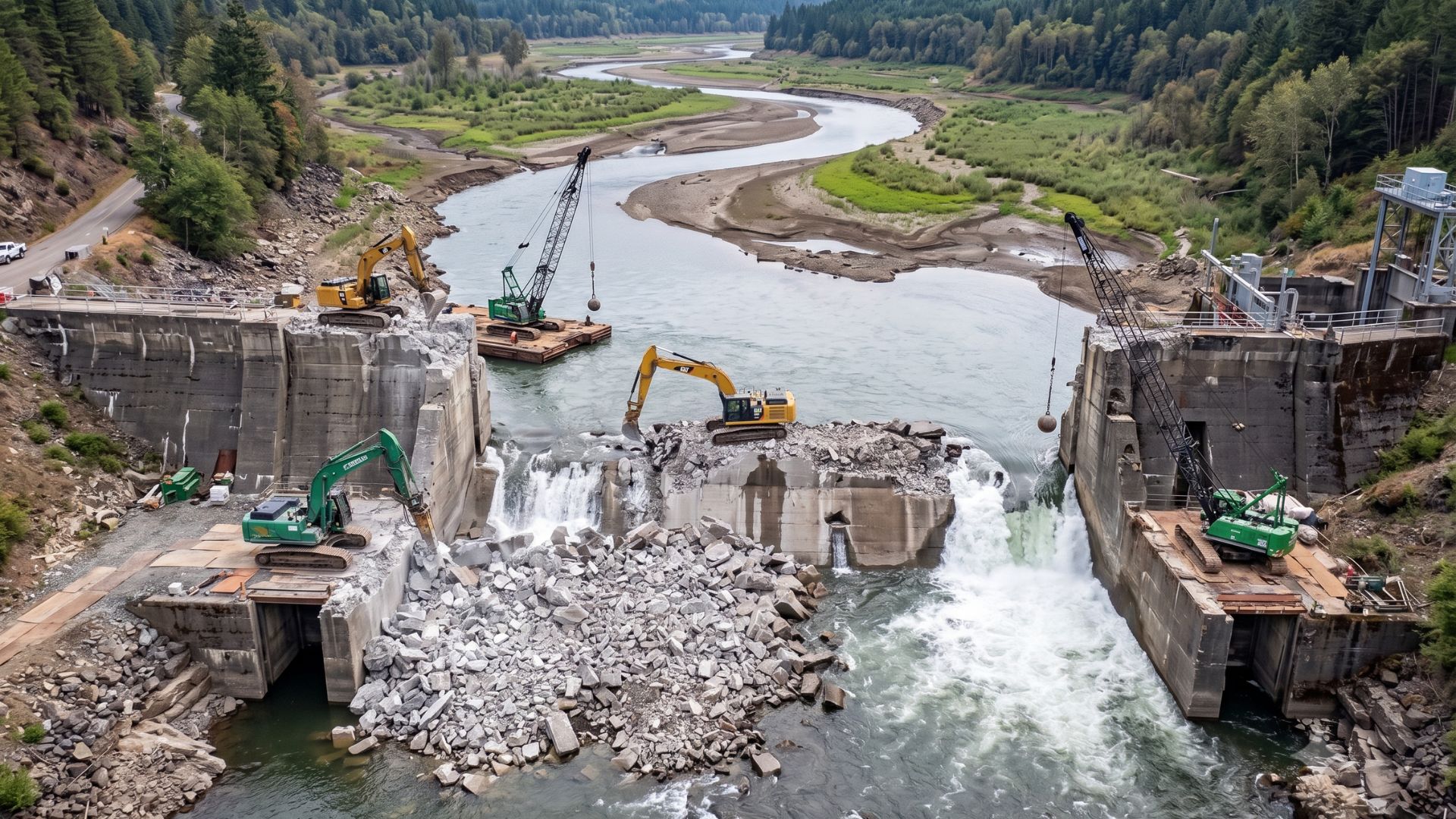
Old dams are being torn down by excavators in the United States: 108 concrete walls have been removed to free more than 4,000 kilometers of dammed rivers and transform obsolete megainfrastructure into living corridors of water, fish, and sediments.



Shutting down the reactor is just the beginning of nuclear decommissioning
The idea that a deactivated nuclear plant disappears shortly after ceasing operations is incorrect. According to the International Atomic Energy Agency, the final shutdown is merely the transition to a new and extremely technical stage, which includes the removal of nuclear fuel, the cleaning of contaminated systems, the dismantling of structures, and the management of resulting materials.


This process is slow because each part of the installation needs to be measured, classified, and treated according to the level of contamination. It’s not enough to cut pipes, remove concrete, or dismantle heavy equipment. It is necessary to verify what can be released, what can be recycled, and what needs to be sent for specialized storage as radioactive waste.
It is precisely this combination of heavy engineering, regulatory control, and radiological protection that makes decommissioning one of the most complex industrial operations in the energy sector. The electricity generation phase ends, but the safe dismantling phase can extend for decades.
Why dismantling a nuclear plant costs so much
The costs are impressive because a nuclear facility brings together enormous structures, highly specialized equipment, and areas that have been exposed to radiation for many years. According to the International Atomic Energy Agency, the budget of $500 million to $2 billion already includes not only the physical dismantling but also waste management and all the technical apparatus necessary to ensure safety throughout the process.
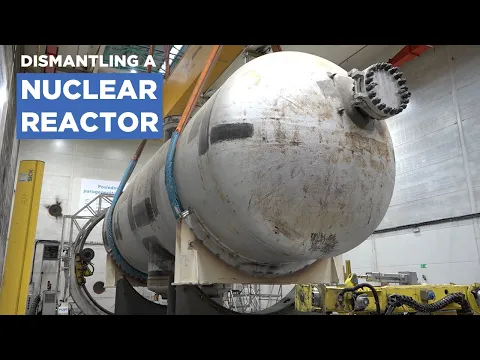
In larger and more complex reactors, such as gas-cooled and graphite-moderated ones, the cost tends to be even higher.
The agency itself highlights that this type of unit is significantly more expensive to decommission than pressurized water reactors or boiling water reactors, precisely because it has larger structures and more complicated dismantling.
This means that the final cost of a nuclear plant is not limited to construction and operation. A significant part of the bill appears at the end of its useful life, when the goal shifts from producing energy to returning the site to a safe and regulatory acceptable condition.
Not everything becomes radioactive waste at the end of the plant
A common perception is to imagine that almost everything inside a nuclear plant becomes radioactive waste. According to the International Atomic Energy Agency, this view is incorrect. A portion of the materials can be decontaminated and, if they meet regulatory limits, can even be reused or recycled.
This applies to some of the steel, concrete, and other components that were not contaminated above permitted levels.
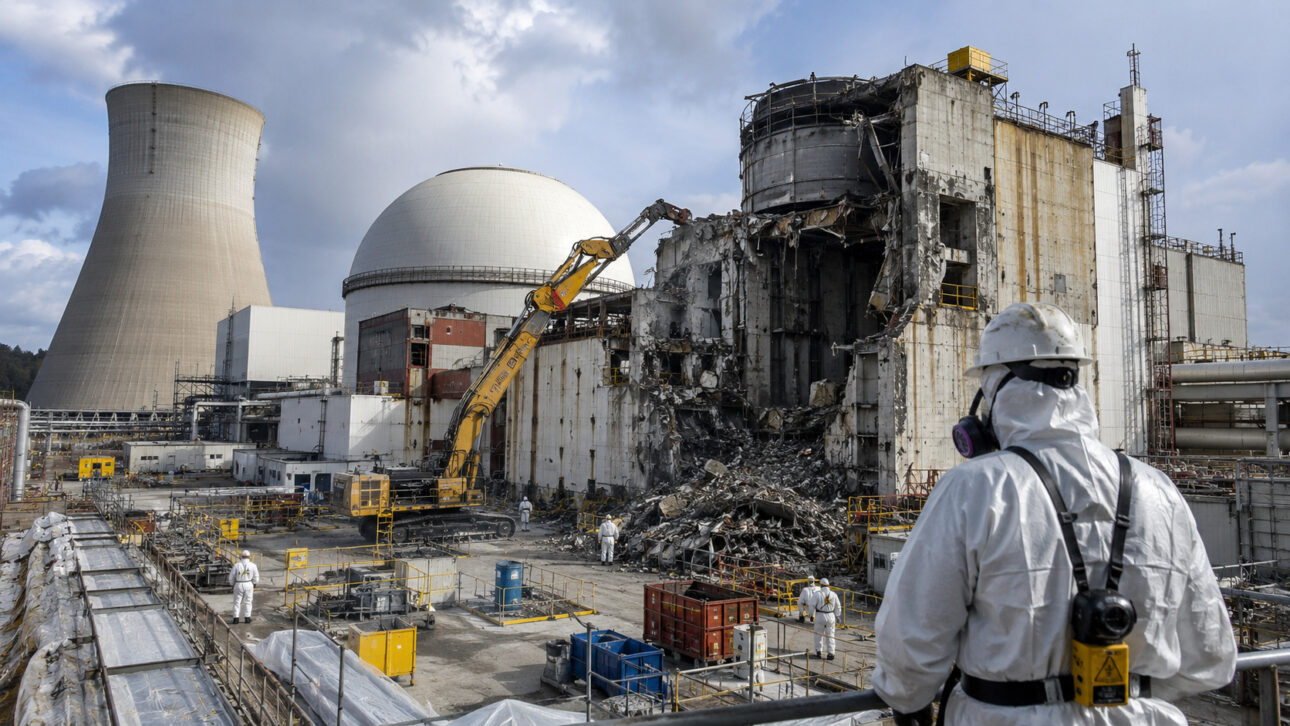
The problem is that sorting requires detailed measurement and rigorous classification, which makes the operation slower, more technical, and more expensive. The challenge is not only in the physical volume of dismantling but in accurately identifying the correct destination for each material.
Even when only a fraction requires specialized storage, the total volume moved is enormous. Therefore, nuclear decommissioning depends as much on logistics, monitoring, and long-term planning as on cutting and demolition themselves.
Most closed reactors have not yet completely disappeared
The global picture shows why the topic has gained so much weight. According to the World Nuclear Industry Status Report 2024, out of 213 nuclear power reactors already closed, only 23 had been fully decommissioned by the time of the report’s publication. Worse for those seeking complete land recovery: only 9 units had been released from regulatory control as areas effectively returned to “greenfield” condition.
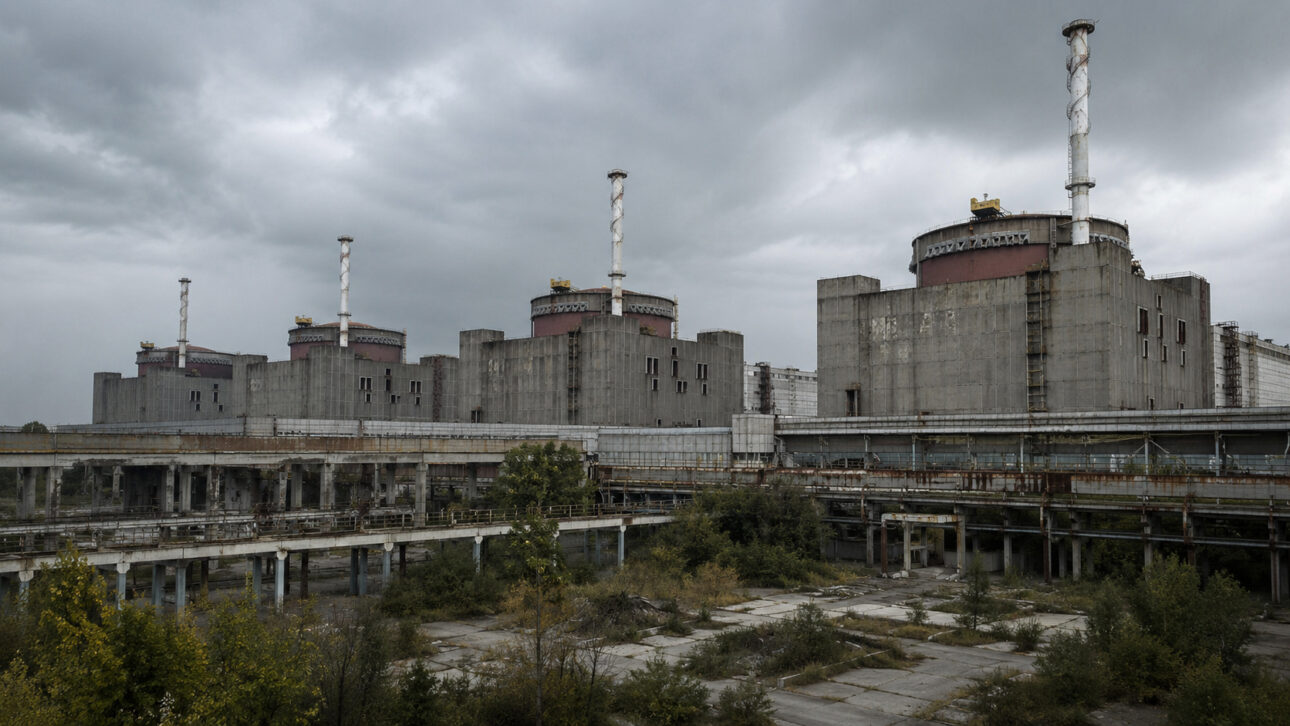
This data shows that the world still accumulates more retired reactors than reactors effectively dismantled to the end. In other words, the global nuclear industry has operational deactivation experience but still deals with a growing backlog of closed facilities whose final cycle is ongoing.
The more old reactors approach the end of their useful life, the greater this pressure tends to be. The problem is not just technological. It is also financial, regulatory, and logistical, because each project requires years of specialized work and a large volume of capital.
The great challenge of the nuclear century may be dismantling, not building
For decades, the main focus of the energy debate was on building new plants and the capacity of nuclear energy to generate electricity without direct carbon emissions. But the current scenario shows that the final phase of these installations can become as big a challenge as the expansion phase of the nuclear park.
With billion-dollar costs, long timelines, and a low proportion of fully completed projects, nuclear decommissioning has ceased to be a technical detail and has transformed into one of the largest fronts of contemporary heavy engineering. The plant can stop producing in one day. However, its real end may take an entire generation.
In the end, the most troubling question for the sector may not just be how to build the next plant, but how to safely dismantle the hundreds aging simultaneously worldwide.






Be the first to react!