Portuguese
  Spanish


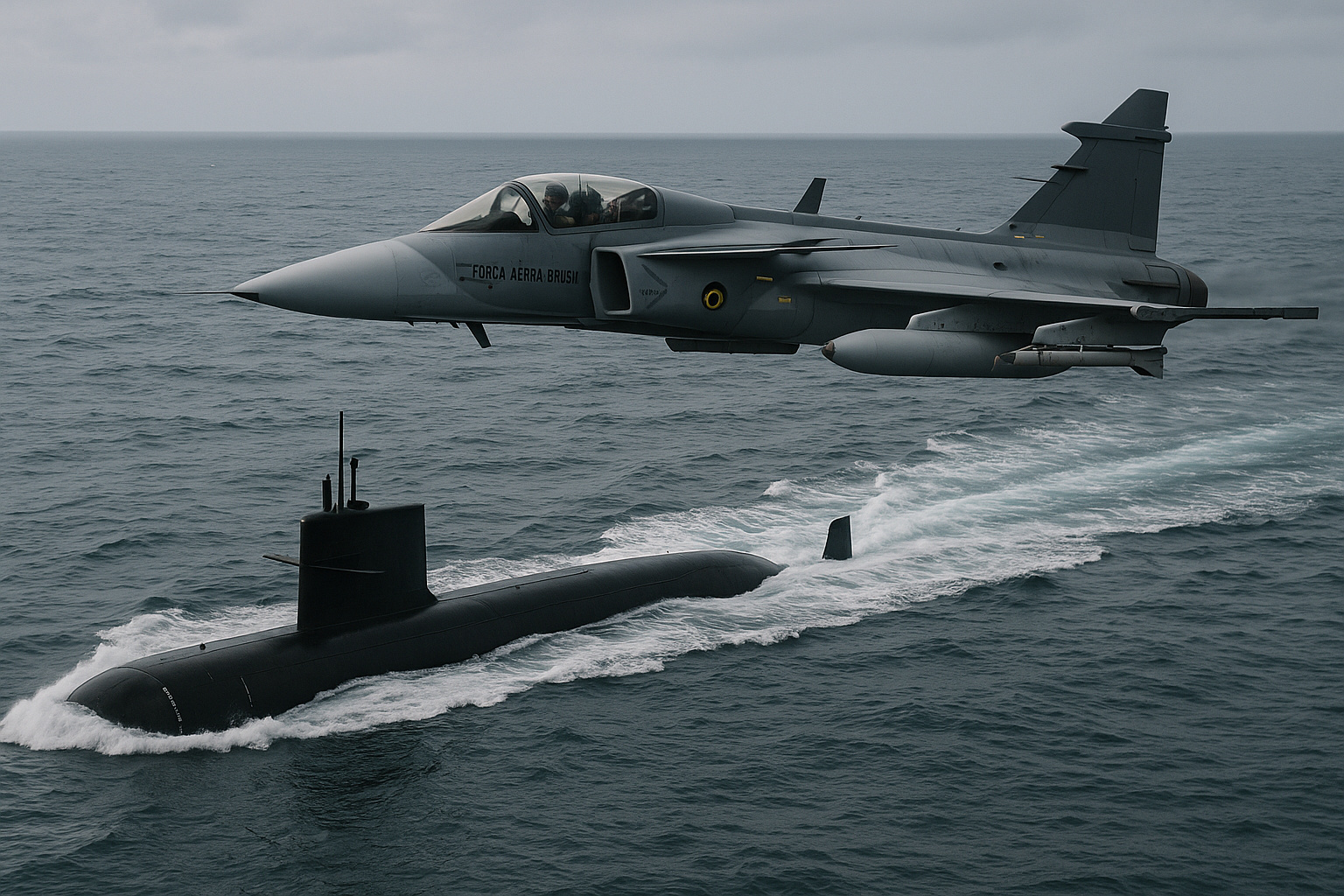


Continuous Investments and Technological Advances Define Brazilian Military Expansion and Enhance Its International Relevance
Brazil has undergone a consistent cycle of military strengthening over the past two decades, which, according to data from the Ministry of Defense released in 2023, has expanded its strategic presence. This movement, recorded since the early 2000s, drives innovation, promotes autonomy, and reinforces long-term programs. Thus, the defense budget reached US$ 22.9 billion in 2023, according to SIPRI, positioning the country among the twelve largest military investors in the world.
More than 376,000 active military personnel, according to Global Firepower 2024, ensure that Brazil has one of the largest armed forces in the Americas. In addition, the country maintains a significant reserve and expanded operational capabilities, which strengthens its defense structure. This composition ensures Brazil a robust presence in strategic regions, such as the Amazon and the South Atlantic.
Technical Investigation Highlights Brazilian Industrial Leadership
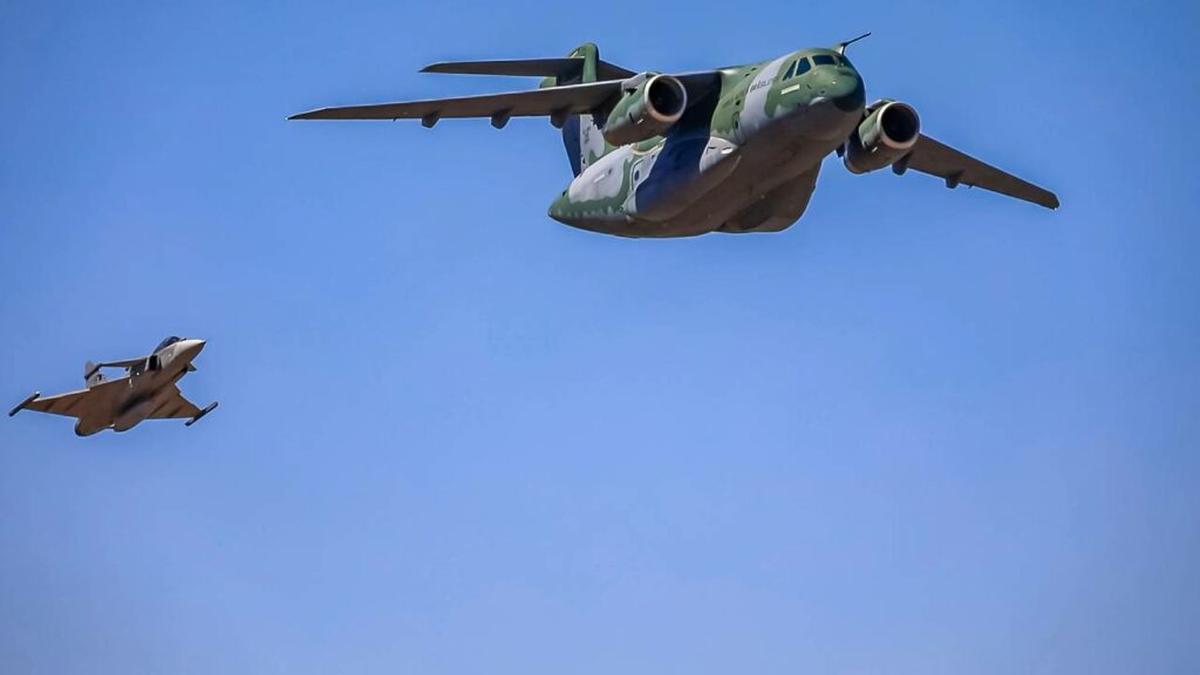
The Brazilian military growth is deeply linked to the development of its national defense industry, which has strengthened since 2008, when industrial and technological policies expanded strategic investments. According to data from the Ministry of Science, Technology and Innovation, Brazilian companies have begun to dominate sensitive industrial processes.
-
U.S. Air Force Launches Air-to-Air Missile Project with Range of Up to 1,850 km for Indo-Pacific Operations

-
Australia to Deploy Up to 8 Nuclear-Powered Submarines in Indo-Pacific, Establishes Billion-Dollar Naval Chain Through AUKUS, Joining Elite Group Capable of Extended Underwater Missions

-
Indonesia Begins Construction of 2,000-Ton Scorpène Stealth Submarines with Advanced Weaponry and French Steel

-
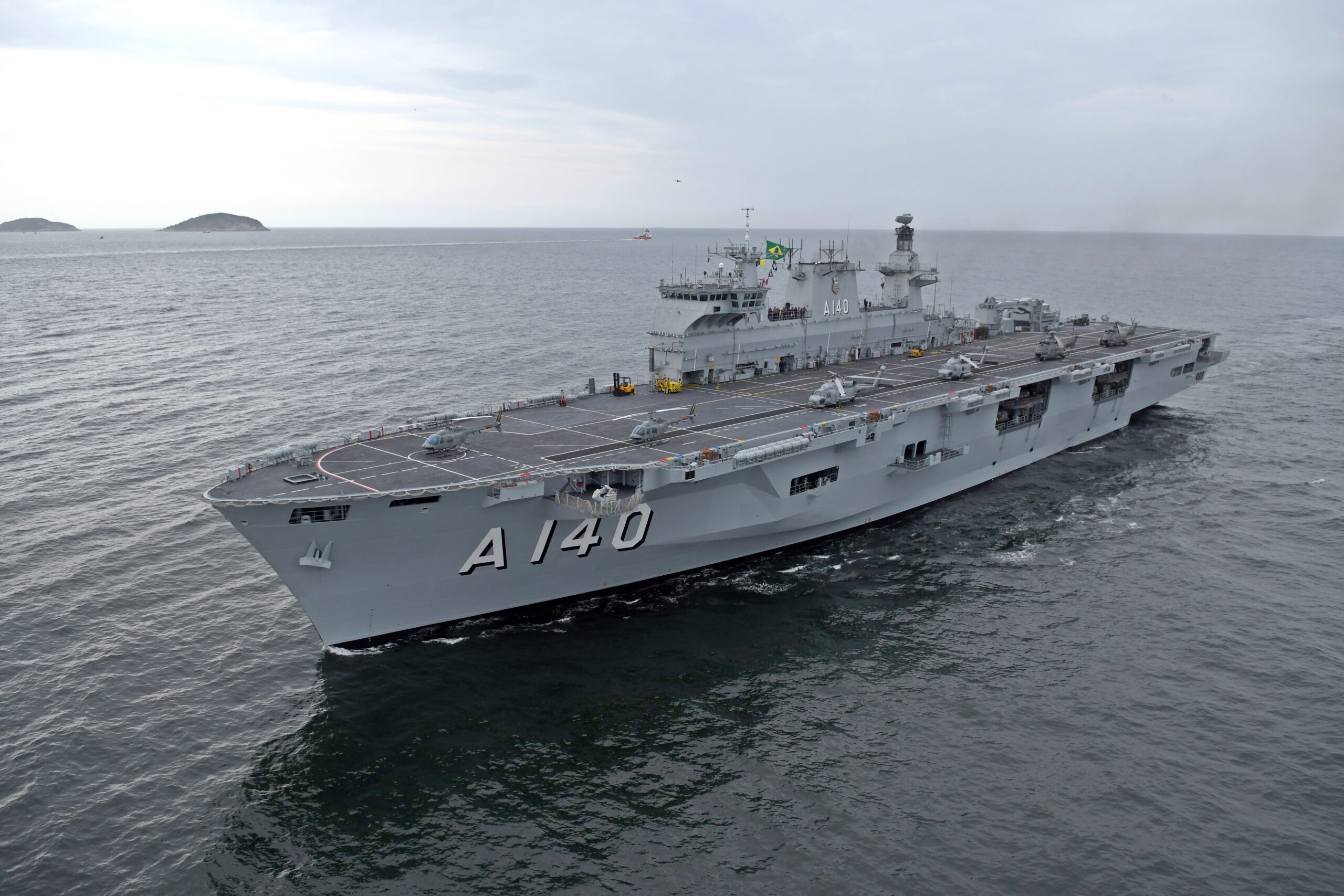
Brazil’s Largest Navy Ship, NAM Atlântico, Transforms into Field Hospital During National Crises


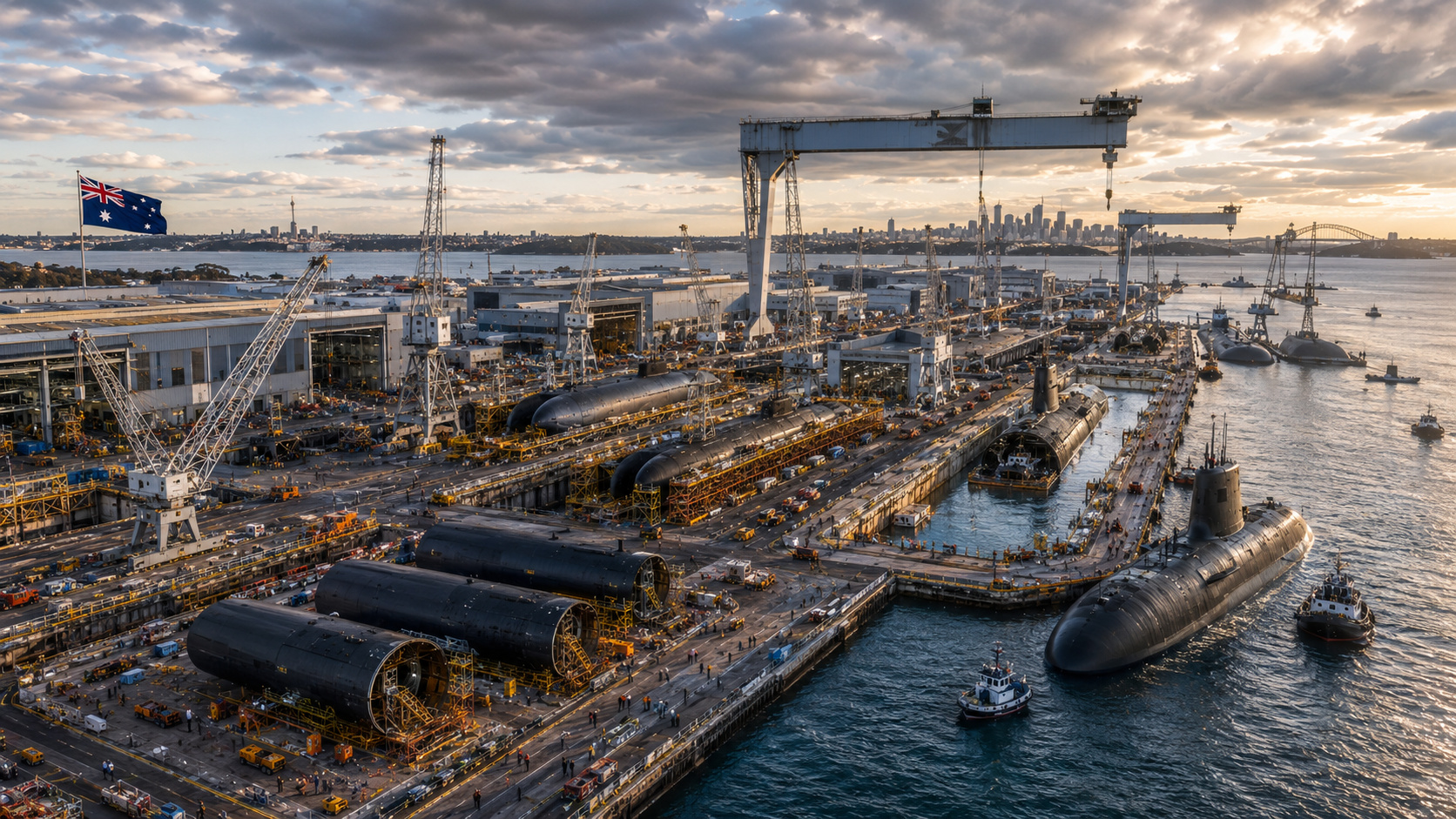

Embraer, according to 2024 reports, has consolidated the production of tactical aircraft and unmanned systems, while Avibras has expanded the development of smart missiles, reinforcing the sector’s autonomy. These advances ensure the country modern equipment, expanded capacity, and continuous national production.
The Navy, for its part, has reached a historic milestone with the beginning of the Submarine Development Program (PROSUB) in 2008, which resulted in the design of the nuclear submarine Álvaro Alberto. According to information released by the Navy in 2023, this is the first nuclear propulsion project in Latin America. This advancement highlights Brazil in a regional scenario marked by technological inequalities.
Strategic and Diplomatic Impacts of Military Expansion
The expansion of national capabilities also strengthens Brazil’s international performance. Since 2004, the country has led the UN Stabilization Mission in Haiti (MINUSTAH) until 2017, according to reports from the UN Department of Peace Operations. Furthermore, since 2011, Brazil has commanded the UNIFIL Maritime Task Force in Lebanon, reinforcing international credibility.
These missions expand operational experience and strengthen multilateral relations. This diplomatic leadership reinforces Brazil’s presence in strategic groups, such as the BRICS, consolidating an independent position in the Global South.
Global Race for Technology Intensifies Challenges
Despite the advances, the international scenario presents ongoing challenges. The dominance of military technologies, according to studies published in 2024 by international research centers, has become essential for global security. Thus, Brazil’s technological autonomy is becoming a strategic resource in the face of growing geopolitical pressures.
Planning for Sustainable Autonomy
Currently, Brazil is working on long-term guidelines to strengthen its industrial base and ensure technological independence. The National Defense Policy of 2005, later revised, emphasizes the protection of the Amazon and the South Atlantic as permanent priorities. Thus, investments aim to guarantee modern, sustainable means aligned with the global evolution of defense.
The Future of Brazilian Defense in Perspective
Experts assess that the commissioning of the nuclear submarine Álvaro Alberto, expected in the next phase of PROSUB, could transform national strategic capacity. This advancement reinforces Brazil’s position in the global debate on security, natural resources, and sensitive technologies.
In light of this continuous advancement, what should be the next step to consolidate Brazil as a sustainable military power aligned with the demands of the 21st century?