Portuguese
  Spanish


The Brazilian Agribusiness Has Just Registered Three Significant Advances in Important International Markets. Indonesia, Paraguay, and Argentina Announced Measures That Expand Export Opportunities, Opening Space for More National Products in the Global Arena and Strengthening Brazil’s Presence in Foreign Trade.
This week, Indonesia officially authorized 17 Brazilian slaughterhouses to export beef to the country, strengthening Brazilian agribusiness. The announcement was the result of bilateral negotiations and inspections carried out by Indonesian sanitary authorities in Brazil.
With this decision, 38 Brazilian facilities are authorized to serve the local market. This increase represents an 80% rise in the number of authorized slaughterhouses.
This measure strengthens Brazil’s presence in the Southeast Asian market.
-
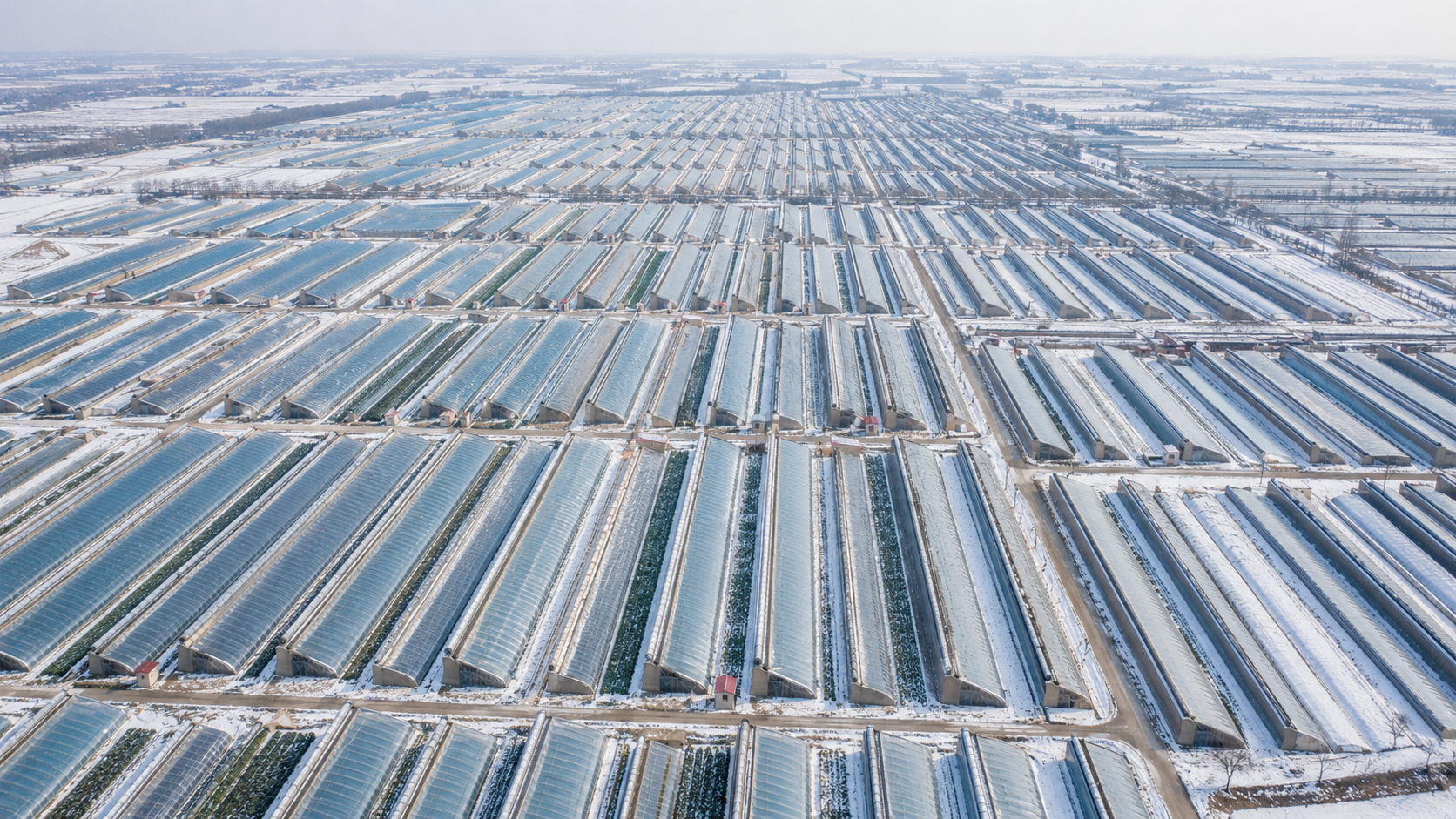
Chinese Farmers Develop “Blanket Greenhouses” to Grow Vegetables in Extreme Winter Without Heaters

-
Centuries Before Modern Greenhouses, English Gardeners Used Horse Manure to Grow Pineapples in Cold Climates

-
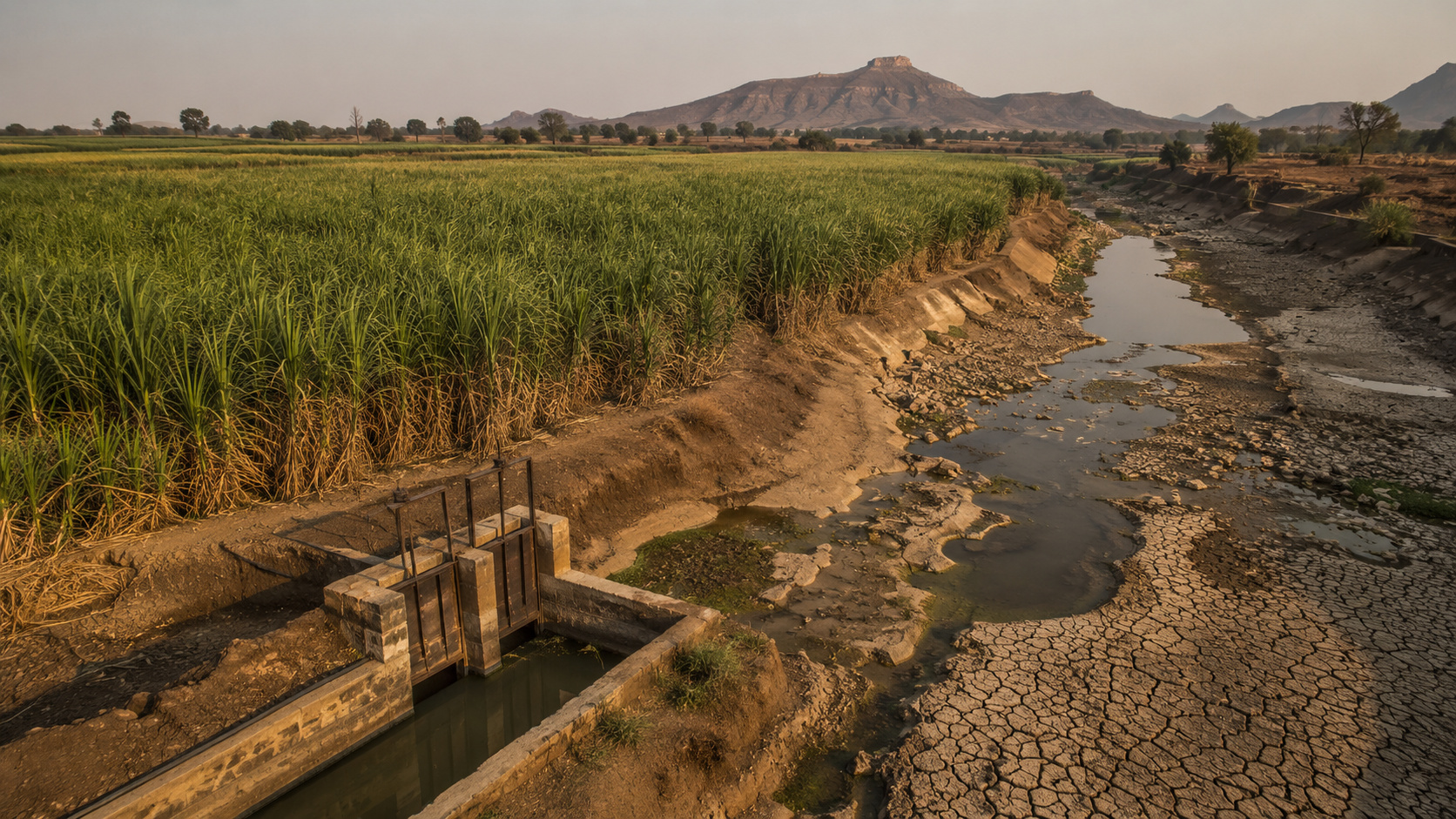
Sugarcane Cultivation in India: A Symbol of Water Stress and Environmental Strain Amidst Global Demand for Sugar and Green Fuel
-
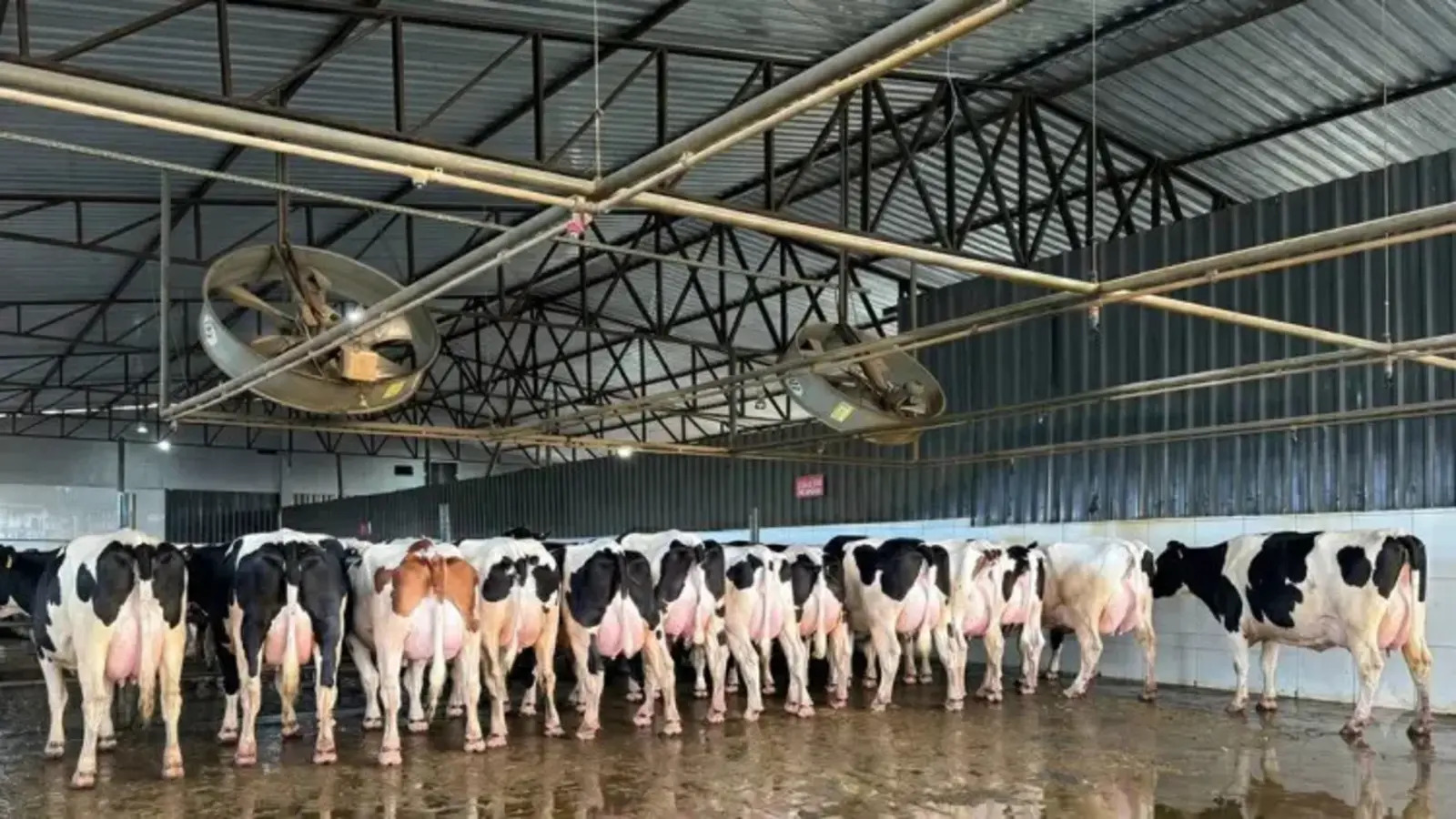
Innovative Farm in Northeastern Brazil Combats Drought with Advanced Techniques, Aiming for 10,000 Liters of Milk Daily Production


Expansion of Beef Exports
The announcement follows another relevant opening made in August. At that time, Indonesia authorized the import of bone-in meat, offal, meat products, and meat preparations.
The Asian country has more than 270 million inhabitants and is the fourth most populous country in the world. Due to high demand, it is increasing its foreign purchases of animal proteins.
Therefore, the expectation is that the new authorizations will increase both the volume and the diversity of Brazilian shipments. This reinforces Brazil as a reliable partner in food security.
The authorizations contribute to job and income generation in the national agricultural sector. In addition, they strengthen the country’s image as a trusted supplier.
The negotiation process involved the Ministry of Agriculture and Livestock, through the Secretariat of Commerce and International Relations and the Secretariat of Agricultural Defense.
Market Opening in Paraguay
Another advance came with the conclusion of phytosanitary negotiations between Brazil and Paraguay. The measure allows for the export of chia seeds to the neighboring country.
This market represents business opportunities for small and medium producers. Many of them operate in the Midwest, in western Paraná and the northwest of Rio Grande do Sul.
In 2024, Brazil exported around US$ 963 million in agricultural products to Paraguay. With this announcement, Brazilian agribusiness reaches 426 market openings since the beginning of 2023.
Three New Markets in Argentina
Brazil also concluded negotiations with Argentina to export powdered eggs for animal feed, raw pork by-products, and “in natura” offal.
These openings strengthen trade integration between the two countries, which are key partners in MERCOSUR. Argentina, with over 45 million inhabitants, has a growing “pet” market, which increases the demand for animal nutrition.
In the swine sector, the measure opens up space for cuts less consumed in Brazil. Therefore, it creates new business opportunities for national producers.
Bilateral Trade Growth
In 2024, Brazil exported over US$ 1.5 billion in agricultural products to Argentina. Among the main items are cocoa, coffee, and agroforestry products.
With this announcement, the country reaches 425 market openings since the beginning of 2023. These results stem from the joint efforts of the Ministry of Agriculture and Livestock and the Ministry of Foreign Affairs.
Thus, Brazil expands its presence in different markets, diversifies exports, and reinforces its position as a global supplier of food and inputs.