






 Portuguese
  Spanish


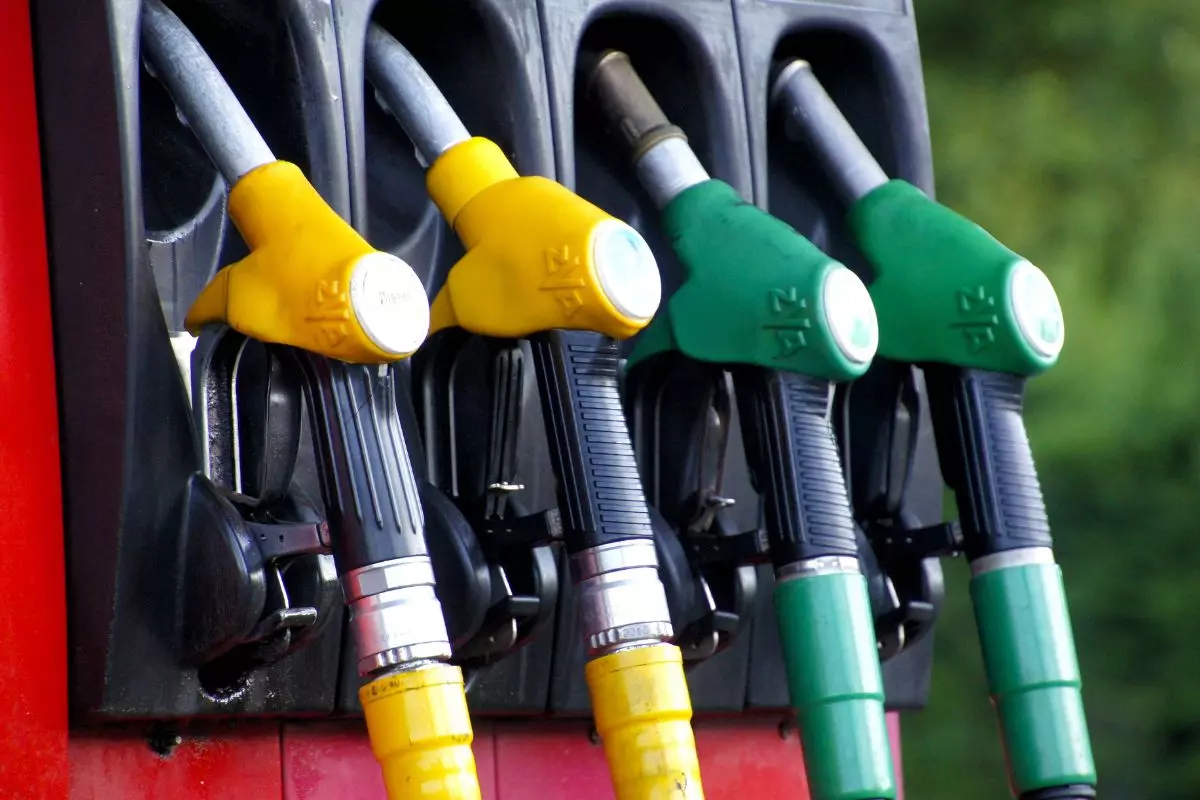

Last Wednesday (29) Was Marked by the Official Announcement from Brazil for the Gradual Mixture of Biodiesel.
According to Resolution No. 16 from the National Energy Policy Council published in the Official Gazette, new guidelines have been established by the Federal Government regarding the percentage of biodiesel that can be added to the diesel sold to the end consumer.
Learn More About the Inclusion of Biodiesel Mixture into Diesel
Starting from April 1, 2023, the proportion of biodiesel mixed with diesel will increase from 10% to 12%. Subsequently, in 2024, the percentage will advance to 13%, followed by 14% in 2025 and 15% in 2026. Biodiesel, a biodegradable fuel made from natural sources, such as animal fats and vegetable oils, is considered more environmentally friendly than petroleum-based fuel options.
According to the CNPE’s assessment of the supply and demand for biodiesel, the timeline for the aforementioned content could be advanced. The national production is expected to increase from the current 6.3 billion liters per year to over 10 billion liters by 2026. Additionally, diesel imports are expected to decrease by 1 billion liters in 2023 and 4 billion liters in 2026.
-
DoorDash Founder Tony Xu, CEO of an $85 Billion App, Becomes Delivery Driver for an Hour, Completes Four Orders, Makes $19

-
Lufthansa CEO Jens Ritter Takes on Flight Attendant Role, Uncovers Overlooked Issue in Economy Class
-
7-Year-Old Estela Wins Ballet Qualifier; Family Crowdfunds for Argentina Finals in October

-
Before taking over as CEO of Starbucks, Laxman Narasimhan spent about six months training as a barista and committed to working a half shift each month to stay connected to the store floor.


“This measure provides security and predictability to the sector, stimulates job creation and investment in biofuels, and helps reduce imports. The decision saves the national plan for the production and use of biodiesel and strengthens the national energy transition strategy, in addition to enhancing Brazil’s position as one of the world’s largest producers of biofuels,” said the Minister of Mines and Energy, Alexandre Silveira, on March 17, the day the CNPE approved the measure. The meeting where the decision was made included the presence of the President of the Republic.
Increase in Biodiesel Mixture Concerns Producers
The increase in the biodiesel content in diesel is a concern for road transport companies. Transporters have raised alerts because the National Energy Policy Council (CNPE) approved a resolution on March 17 agreeing to add the current 10% to 12% of biodiesel to diesel sold in Brazil.
While the goal of adding biodiesel is to reduce emission levels from diesel vehicles, percentages above the current 10% have proven detrimental to engines and cost for transporters. The increased consumption of trucks, rising maintenance costs, and possible environmental impact are the main concerns.
The main problems encountered in the vehicles include clogged fuel filters leading to shorter replacement times, clogged injectors requiring cleaning, and the formation of deposits and sludge within the engine.


